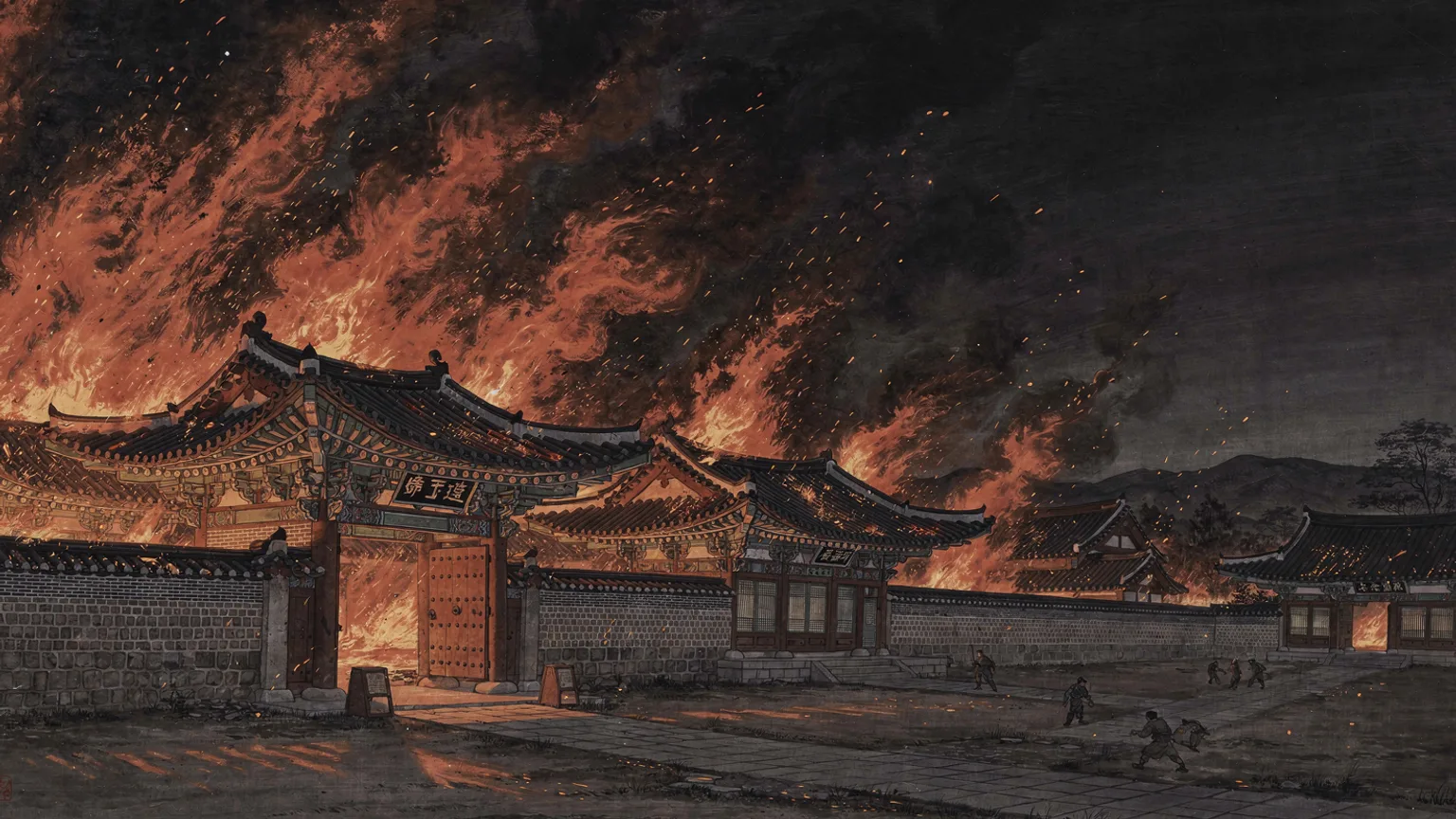
Samnyong the Mute
About this story
In a walled estate outside old Seoul, Samnyong is the ugliest and most faithful of servants — mute, mocked and beaten, yet devoted body and soul to the household that owns him. When a gentle young bride arrives and shows him the first kindness he has ever known, a wordless, hopeless tenderness takes root in him, until one night the great house stands wrapped in flames. Na Do-hyang’s 1925 tale is a fierce, folktale-bright parable of love, class and dignity, and remains one of the best-loved short stories in the Korean language.
By the numbers
About the author
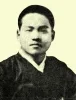
Na Do-hyang (1902–1926) — born Na Kyeong-son and writing under the pen name Na Bin — was one of the brightest talents of Korea’s early modern literature. A founding member of the Romantic «Baekjo» (White Tide) circle, he moved in his final years from feverish sentiment toward a lucid realism, producing in a single year the mature masterpieces «The Water Mill» and «Samnyong the Mute». He died of tuberculosis at just twenty-four, and his passing was mourned as the symbolic end of Korea’s brief romantic era.
Recognition
A naturalist as well as realist fiction in essence, «Samnyong the Mute» displays the author’s growing awareness of class issues and his concern for those on the lowest rung of the social strata; the mute servant’s ill-fated love is akin to humankind’s admiration and longing for an ultimate beauty that cannot be attained.
Overcoming the sentimental romanticism of his early period, this work reveals the meaning of genuine human love and the redemption it brings; and in that its «foolishness» is an oblique strategy adopted when the dark conditions of the age cannot be met head-on, it belongs among the works of objective realism that transcended his early sentimentalism.
Unlike a typical proletarian tale, «Samnyong the Mute» has the look and feel of a folktale — a once-upon-a-time story with stock characters and a conclusion of poetic justice — and yet romantic passion trumps class consciousness, as Samnyong develops a forbidden affection for his master’s abused young wife.
A mute servant endures cruelty and betrayal while harboring unspoken love — a brutal story about the literal and figurative voiceless, those whom society chooses not to hear.
Practice typing
Type this retelling one piece at a time — your progress is saved as you go.
If you liked this
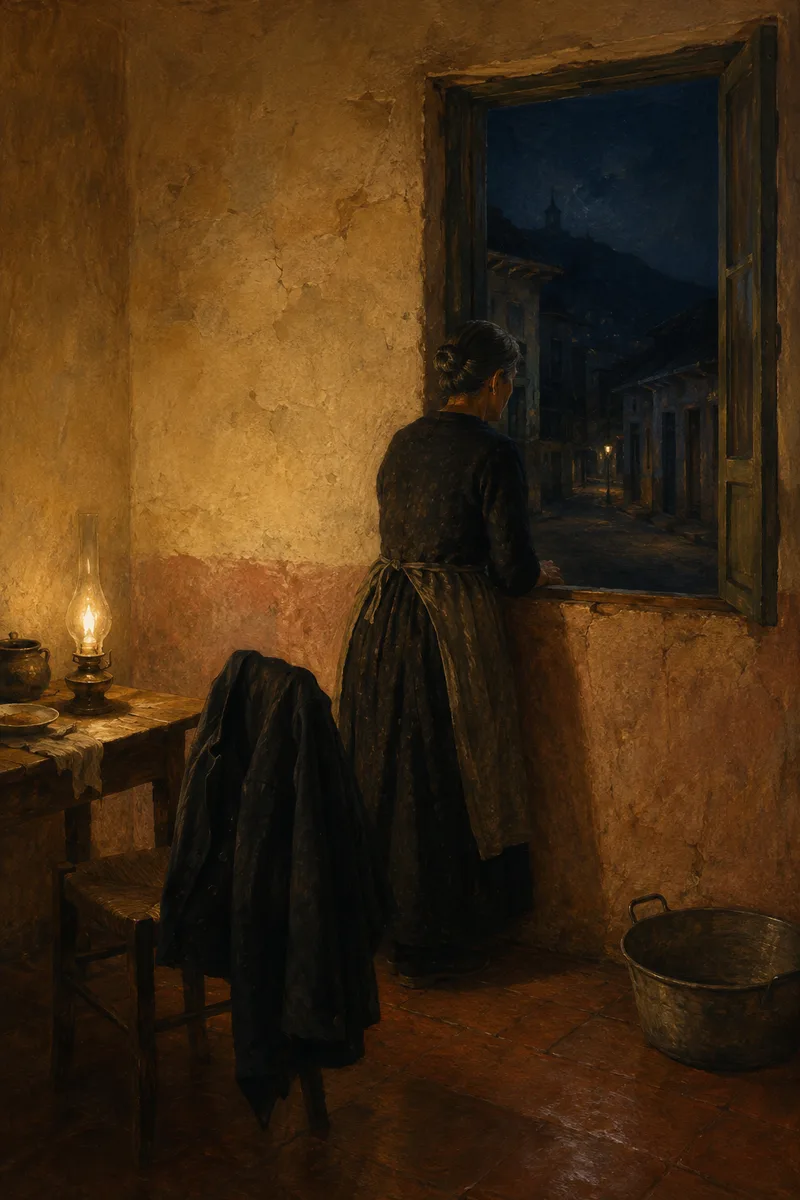
Nobody in the neighbourhood remembers her real name.
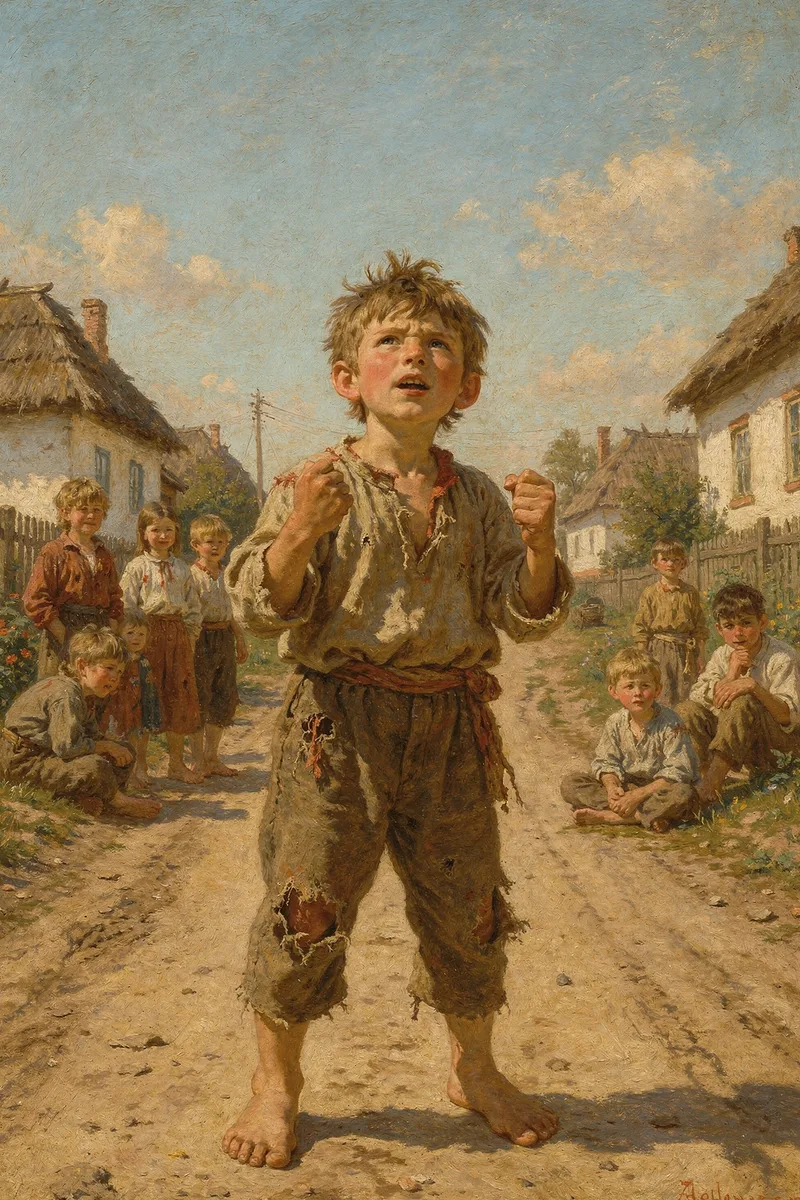
Fedko is the wildest boy on the street — the ringleader of every prank, the first into every fight, the one the neighbours blame for everything that goes wrong.
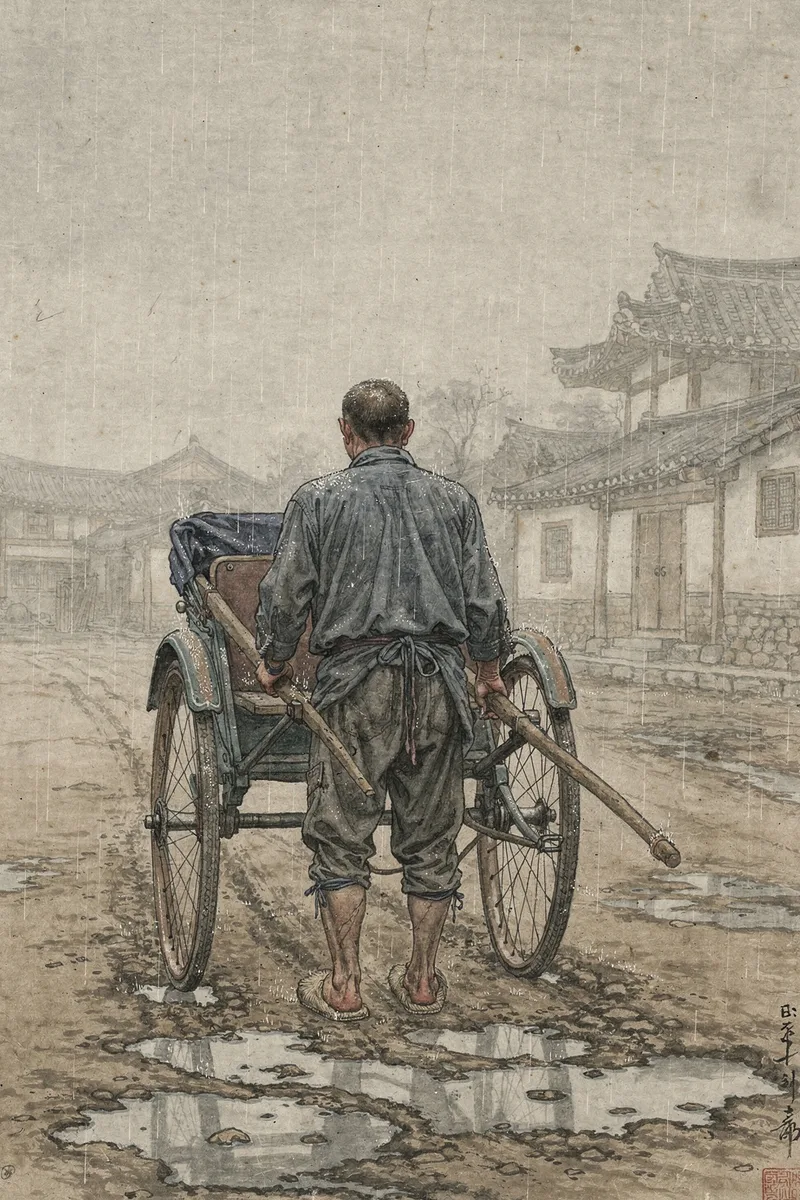
On a raw, drizzling winter day, Kim Cheom-ji — a rickshaw man scraping by outside Dongso Gate — is having the luckiest run of his life.
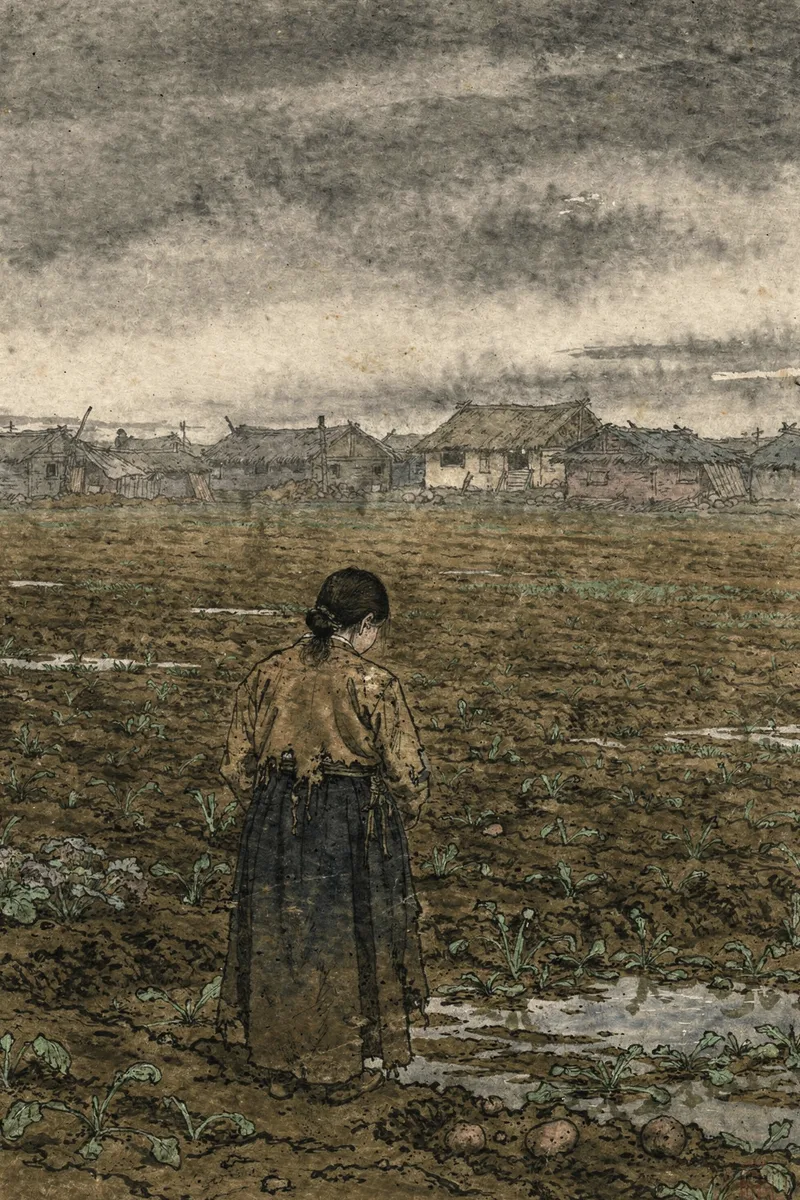
Born to a poor but honest farming family, Boknyeo is sold in marriage at fifteen and drifts, step by step, into the slums of colonial-era Pyongyang, where hunger rewrites every rule she was raised to obey.