A Poor Man's Wife
About this story
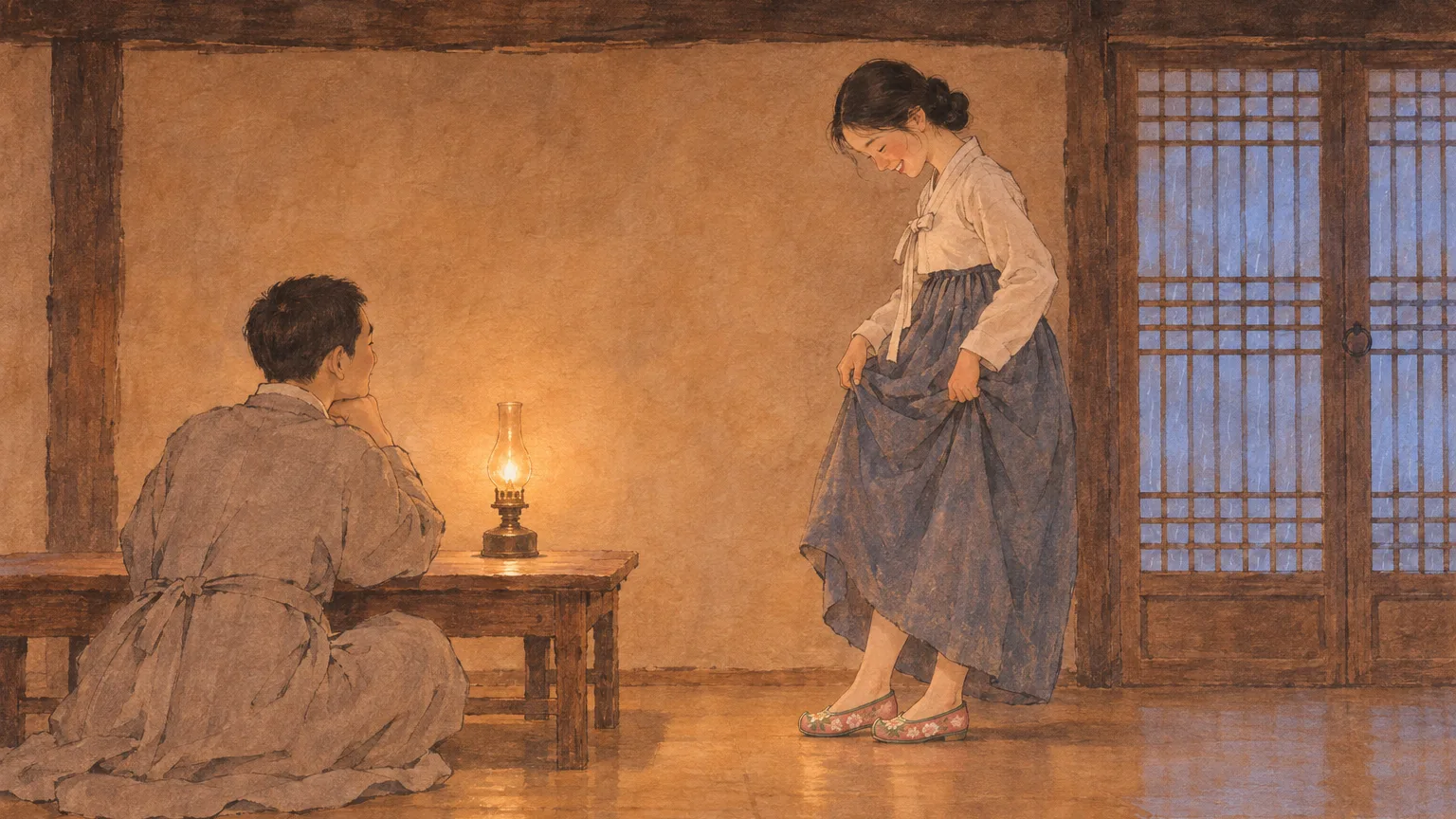
Seoul, a wet spring night in the early 1920s. An unknown young writer sits at his desk while his wife searches the wardrobe for one last silk jacket to pawn: in two years his writing has earned nothing, and tomorrow's breakfast depends on what is left inside. A relative's new parasol, the worn cloth shoes she wears to her father's birthday, new shoes from her well-off sister, one cruel outburst — small things test a marriage that rests on her faith in his talent. Hyun Jin-geon's story, published in the magazine Gaebyeok in January 1921, made his name. The Encyclopedia of Korean Culture dates the true start of the 1920s short story to it, ahead of landmark stories by Kim Dong-in and Yeom Sang-seop.
By the numbers
About the author
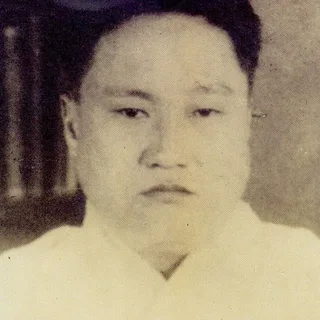
Hyun Jin-geon (1900–1943), who wrote under the pen name Binghŏ, was born in Daegu and became one of the founding figures of modern Korean realist short fiction during the Japanese colonial period. He first drew critical notice in 1921 with the stories «Bincheo» («A Poor Man's Wife») and «The Society That Drives You to Drink», and with «A Lucky Day» (1924) he turned from confessional first-person narration to a detached third-person voice that portrayed the lives of the urban poor with unsentimental precision. Praised for his tight construction and mastery of irony, he is often ranked among the finest short-story writers of 1920s Korea. In his later years he abandoned short fiction for historical novels such as «The Shadowless Pagoda», and he died in 1943.
Recognition
This very work carries the literary-historical significance of being the true beginning of the short story of the 1920s.
Hyun Jin-geon, too, began as a member of the Baekjo coterie; in early works such as «A Poor Man's Wife», «The Society That Drives You to Drink» and «The Degenerate» he took up subjects that pressed close to reality, and with flawless construction and meticulous description he realized a new realism in Korean fiction.
In this period his fiction, by presenting a cast narrowed to the family and attending to their everyday life, achieved the form of the fully accomplished short story.
Both short stories are brief windows onto the human soul, one showing how an artist can find love and acceptance, and one showing self-forgiveness and coming to terms with one's past.
Practice typing
Type this retelling one piece at a time — your progress is saved as you go.
If you liked this
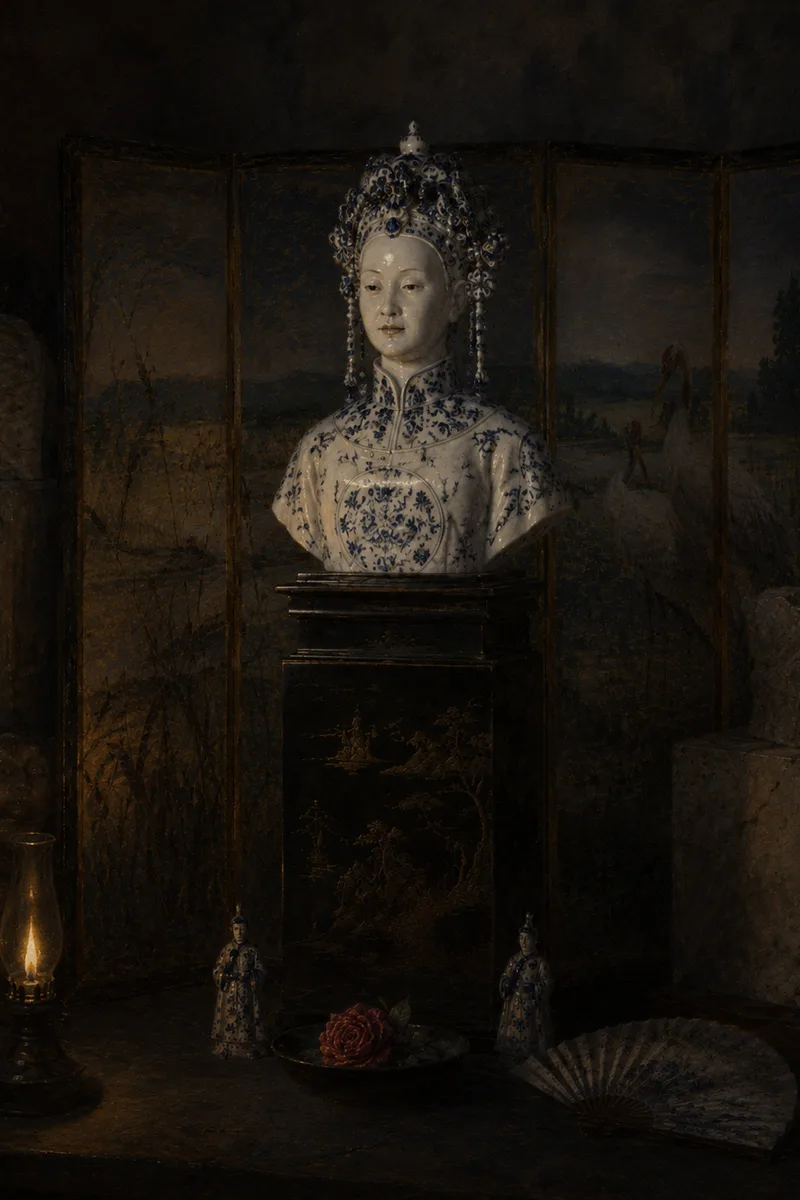
In a small blue drawing room at the end of an ordinary street, a sculptor keeps his living jewel: Suzette, his wife of eighteen months, who sings while his chisel rings next door.
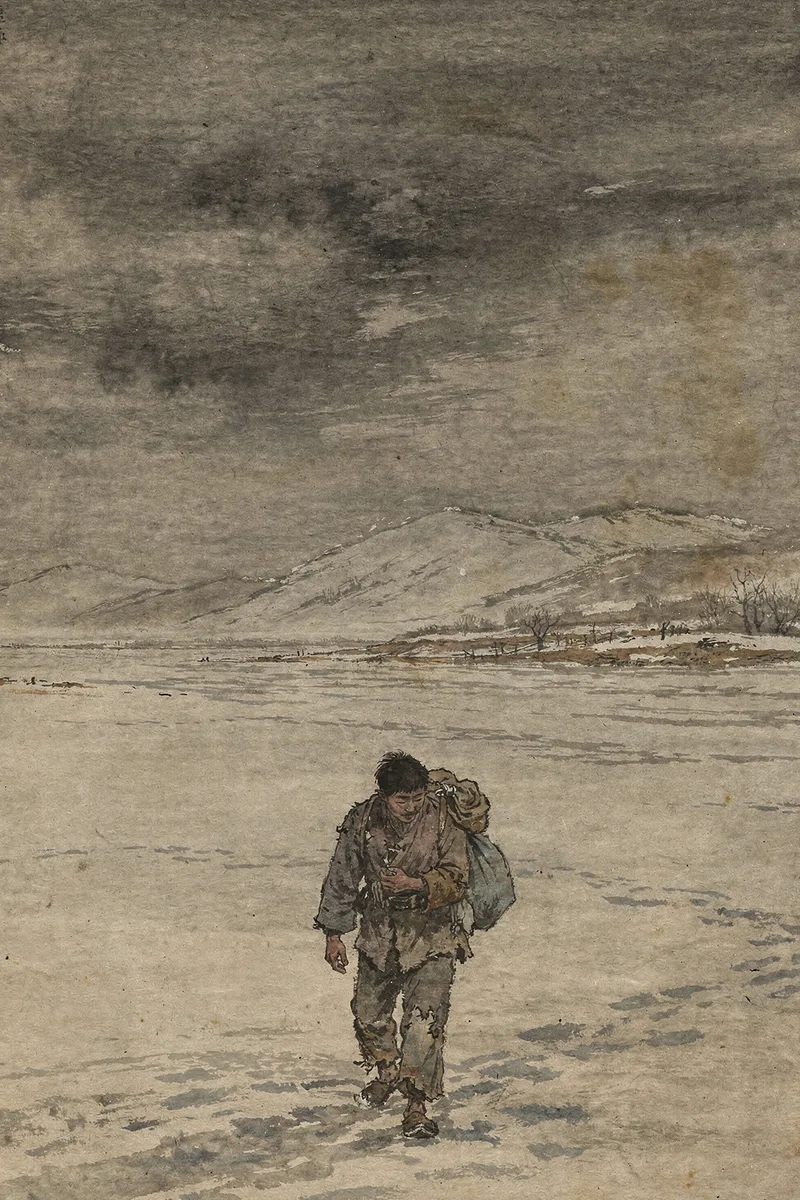
Written as a letter from a young man to the friend who begs him to come home, «Escape» lays bare the grinding poverty of Korean émigrés scraping a living in 1920s Manchuria — the hunger, the humiliations, the slow starving of hope.
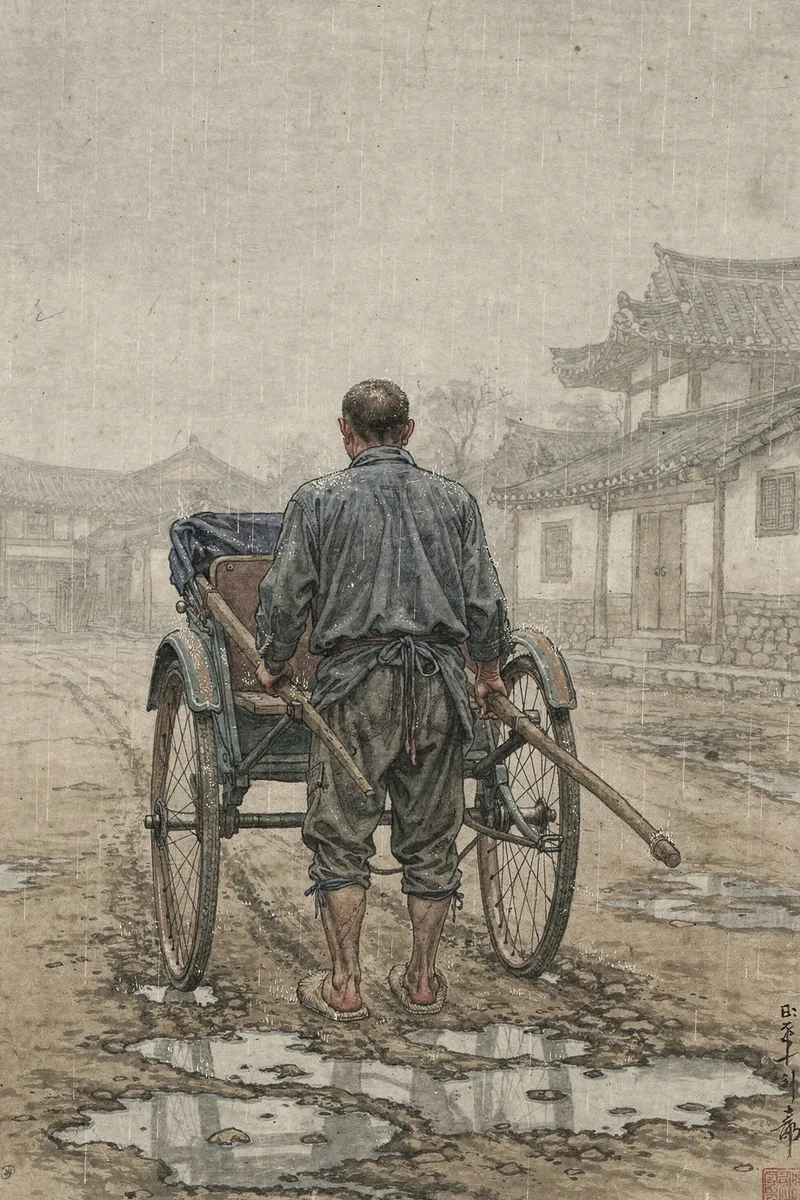
On a raw, drizzling winter day, Kim Cheom-ji — a rickshaw man scraping by outside Dongso Gate — is having the luckiest run of his life.
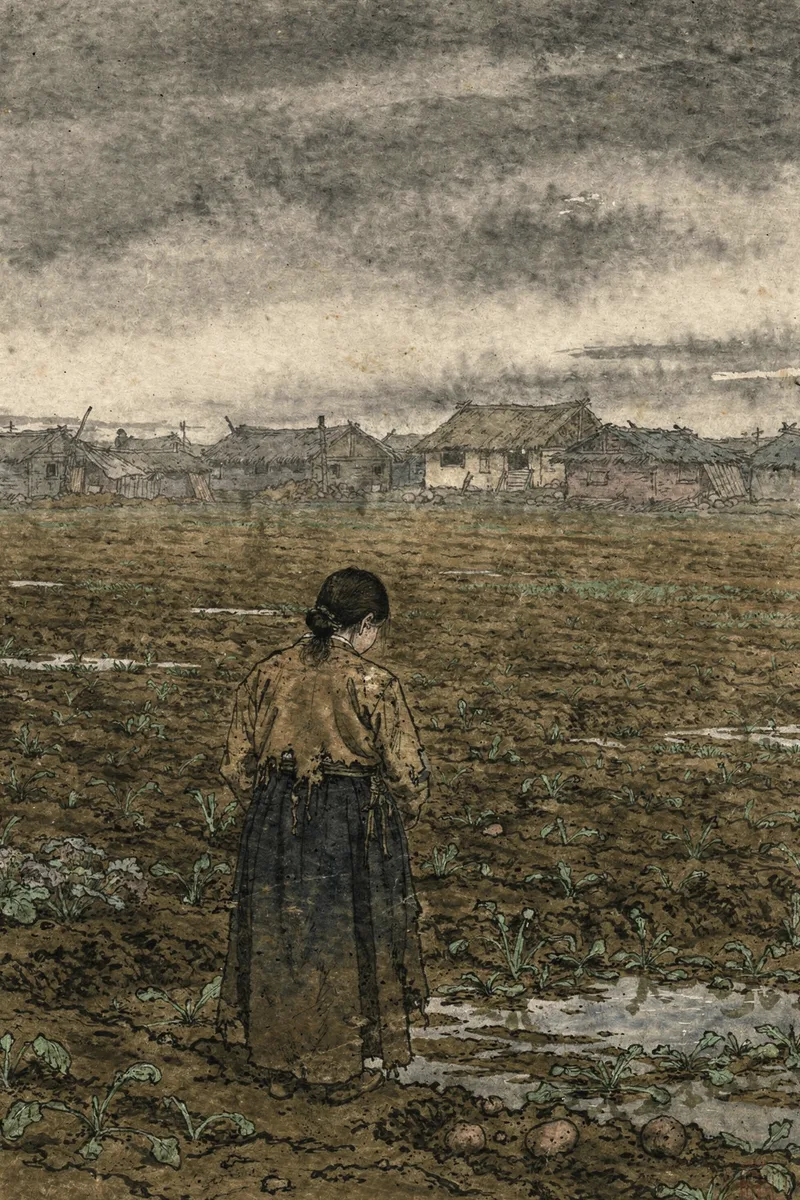
Born to a poor but honest farming family, Boknyeo is sold in marriage at fifteen and drifts, step by step, into the slums of colonial-era Pyongyang, where hunger rewrites every rule she was raised to obey.