Valse mélancolique
About this story
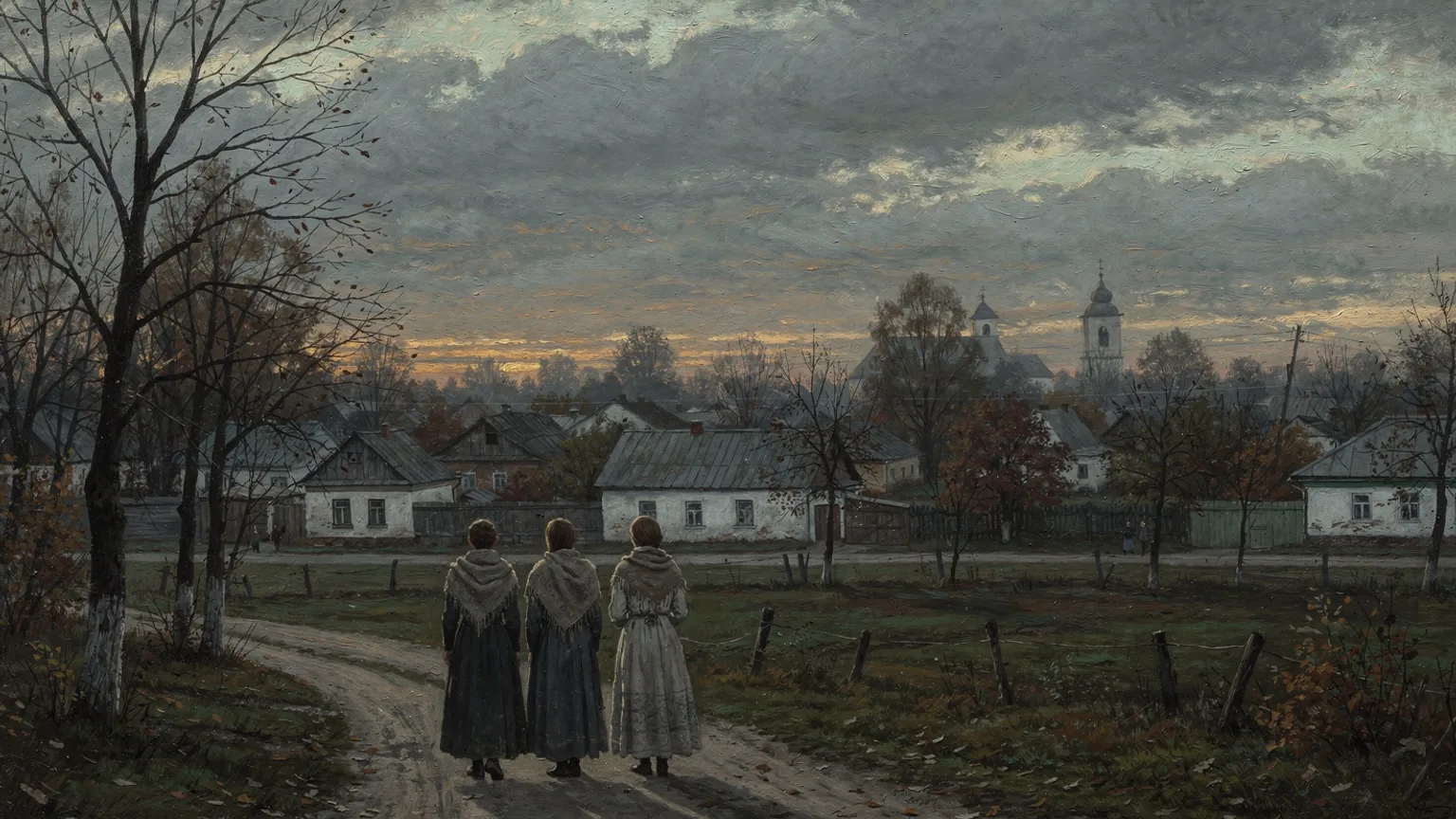
Three young women share a household in a town of 1890s western Ukraine: a painter who calls herself a «child of fortune», a quiet future schoolteacher, and a pianist who composes waltzes she refuses to write down. A psychological novella by Olha Kobylianska (1898) about female friendship and a life given wholly to art. Kobylianska (1863–1942) is a central figure of Ukrainian modernism; «Valse mélancolique» is among the first works in Ukrainian literature to make a household of women the center of its world.
By the numbers
About the author
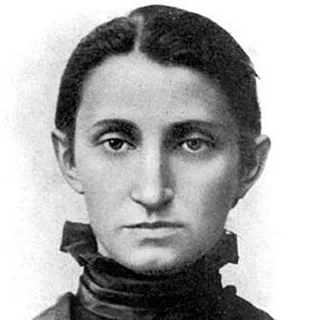
Olha Kobylianska (1863–1942) was a pioneering Ukrainian modernist writer from Bukovina. Largely self-taught, she first wrote in German before turning to Ukrainian, bringing feminist themes and a refined, “musical” psychological prose into Ukrainian literature. Her heroines are independent women — artists and intellectuals, “aristocrats of the spirit.” Lesya Ukrainka, who became her close friend, ranked her among the finest writers of her generation.
Recognition
Kobylianska's heroes are “aristocrats of the spirit” who long to instill within themselves the ideal of the superhuman.
Lesia Ukrainka, Olha Kobylianska and Mykhailo Kotsiubynsky — this is our literary areopagus, the highest tribunal.
Olha Kobylianska rose as “a new sun of our literature.”
A pioneering Ukrainian modernist writer and a neoromantic symbolist, whose works are known for their impressionistic, lyrical descriptions of nature and subtle psychological portrayals; many of them have as their protagonists cultured, emancipated women oppressed in a philistine, provincial society.
Practice typing
Type this retelling one piece at a time — your progress is saved as you go.
If you liked this
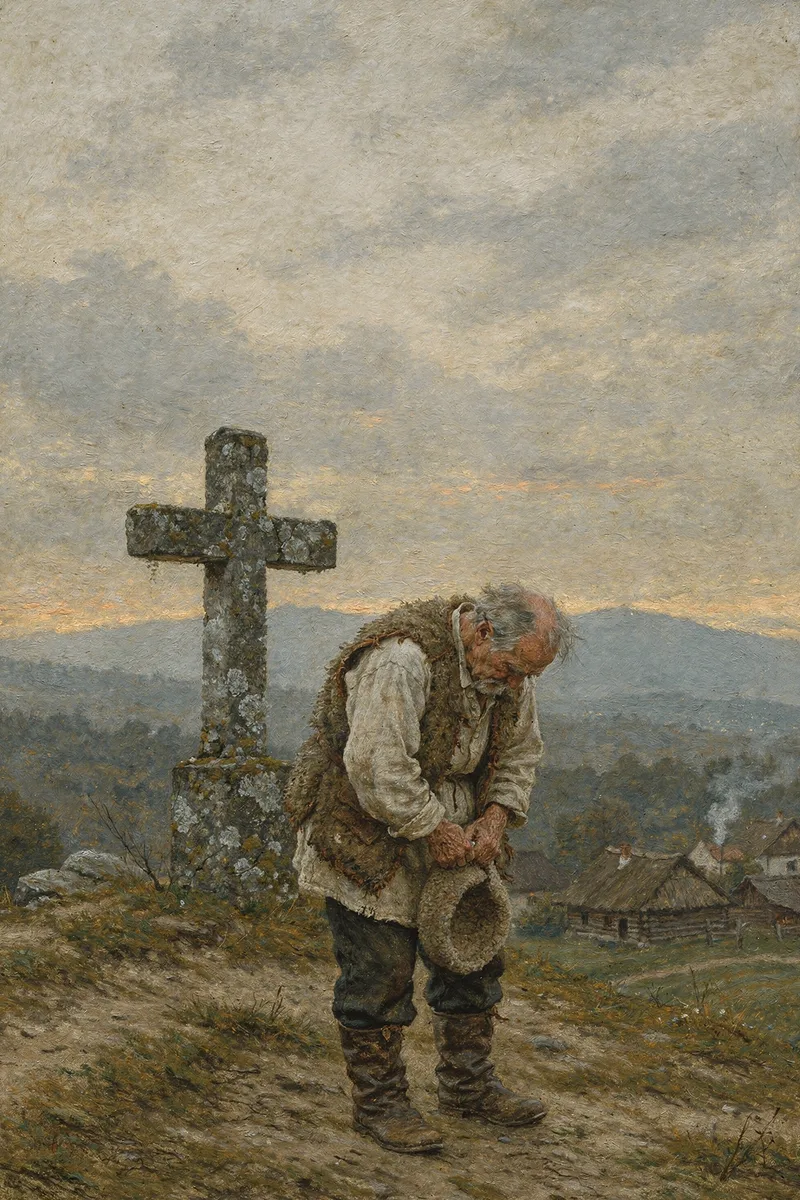
Ivan Didukh has spent his life breaking his back on a worthless sandy hill — the only land he inherited — until he is bent double and the village calls him «the Broken One».
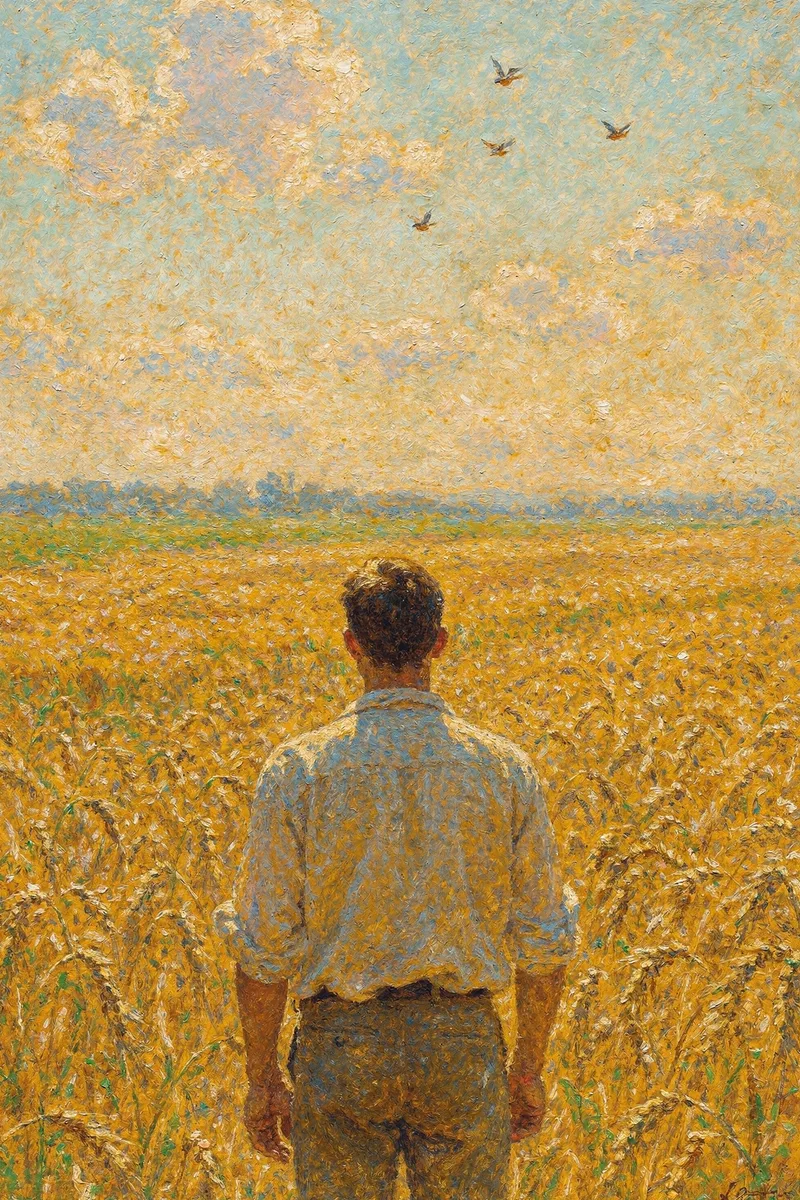
Worn down by the city and by the weight of other people's grief, a man flees to the quiet of the fields.
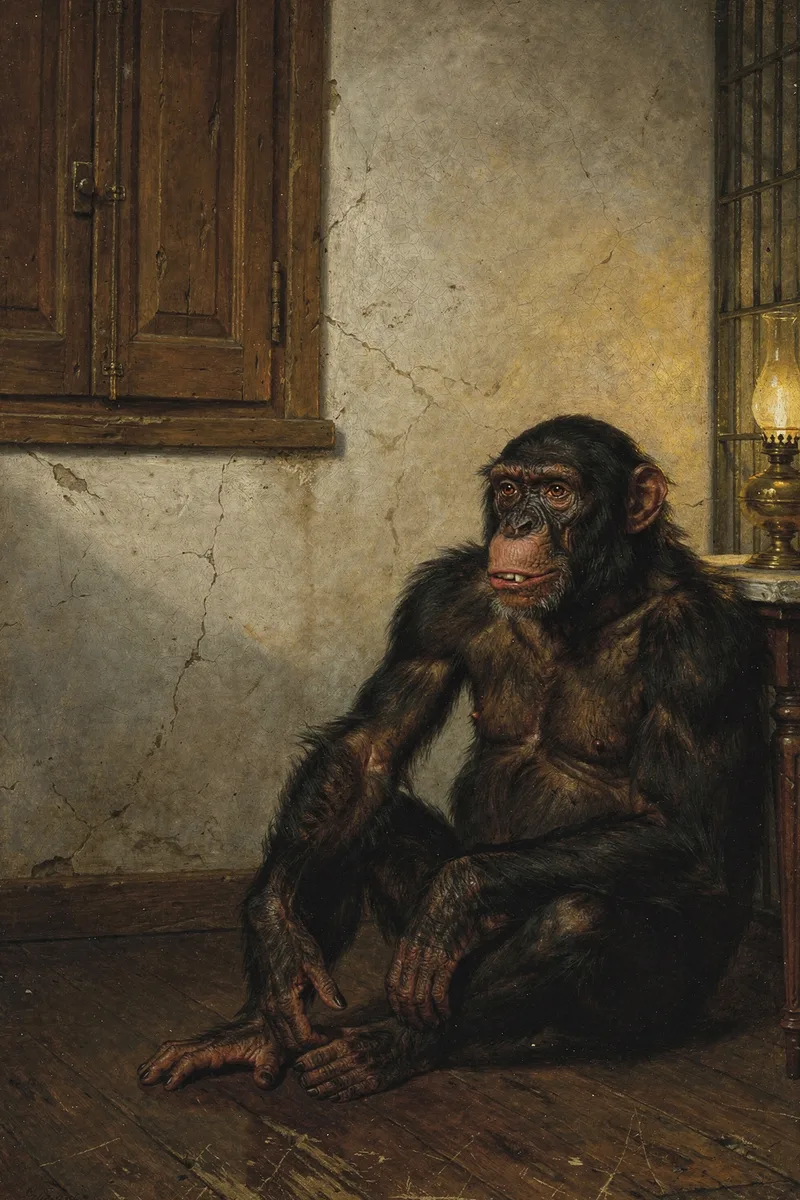
A ruined circus goes under the hammer, and a hard-headed merchant walks away with a chimpanzee named Yzur — and a strange conviction: that monkeys are not beasts but fallen men, creatures who long ago renounced speech to escape the yoke of labor, and so fell silent forever.
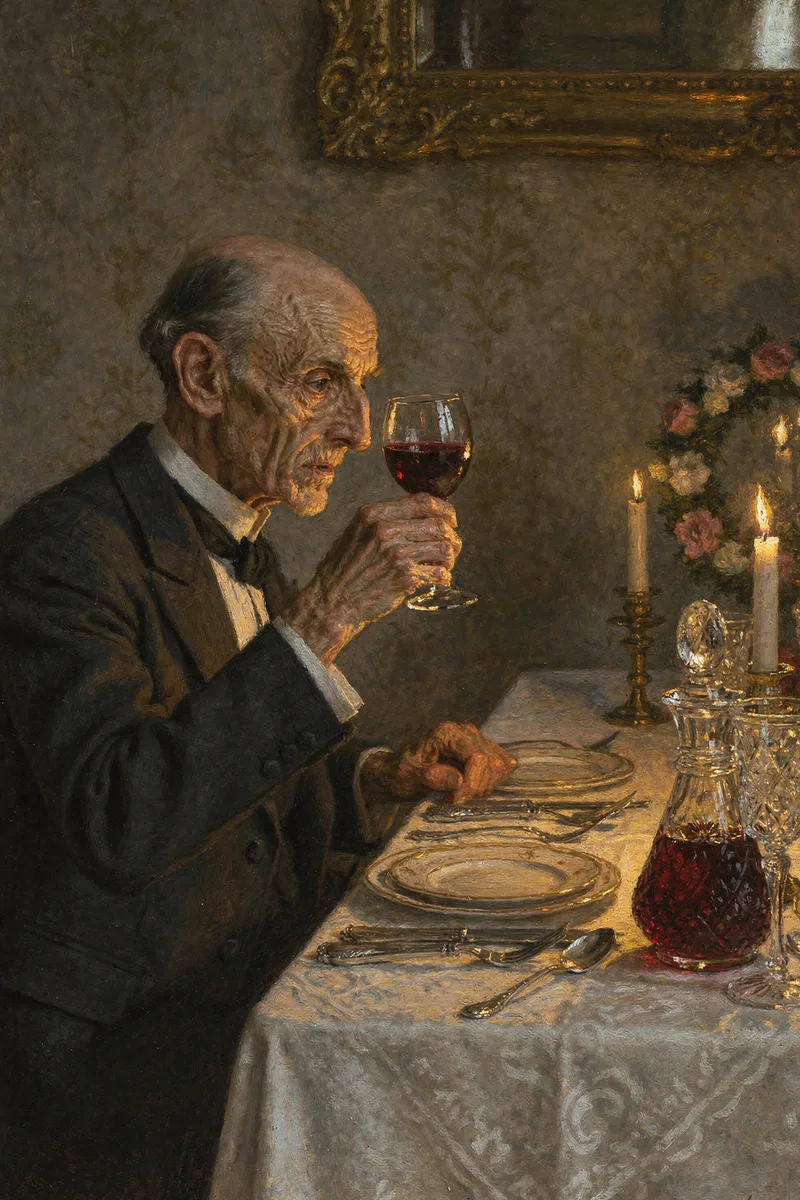
On the eve of a family wedding, an ailing old man is granted one night's freedom from his doctor's strict regime — and pours it, glass by glass, into a rebellion against age, illness and his own tenderness.