The Wall
About this story
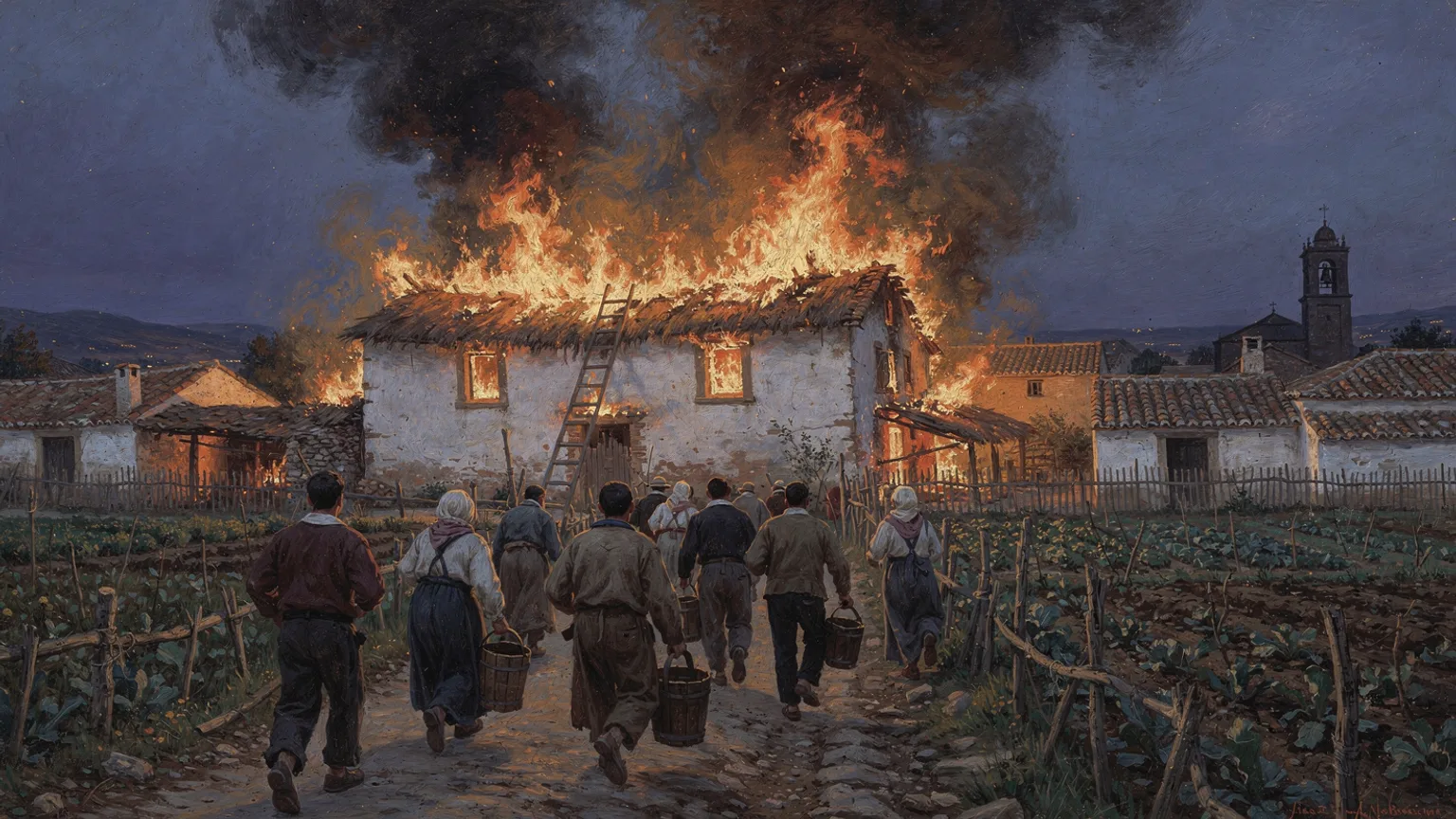
For thirty years the Rabosa and Casporra clans have poisoned a sleepy village outside Valencia, trading gunshots and funerals over a feud no one remembers starting. Between their two houses a wall climbs higher and higher — a monument to hatred built, it seems, from the blood and bones of their dead. Then one afternoon the bells ring the alarm, a house is ablaze, and a helpless old man is trapped inside. What happens next turns a tale of vengeance into one of Spanish literature's most stirring parables of reconciliation. Vicente Blasco Ibáñez — the Valencian master whom Hollywood adapted again and again — distills naturalism to its sharpest, most human point in this unforgettable short story.
By the numbers
About the author
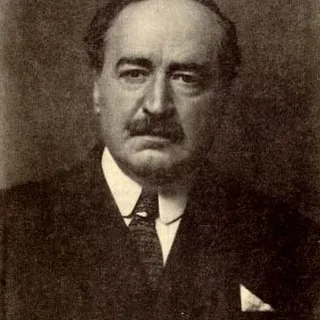
Vicente Blasco Ibáñez (1867–1928) was a Valencian novelist, journalist and Republican politician, and the leading figure of Spanish literary naturalism. His early regionalist phase produced the works on which his critical reputation rests — the Valencian novels La barraca (1898) and Cañas y barro (1902), the latter often judged his masterpiece — while the bullfighting novel Sangre y arena (1908) and the First World War epic Los cuatro jinetes del Apocalipsis (1916) made him an international bestseller adapted repeatedly by Hollywood. Alongside the novels he cultivated the short story, sharpening his craft on vivid, dramatic sketches of rural Valencian life. "La pared" belongs to that early Valencian cycle of tales — later gathered in the collection La condenada (1900) — and stages a generations-long family feud dissolved in a single act of reconciliation, an unusually hopeful ending among his customarily tragic stories.
Recognition
The most forceful of the younger writers of Spain is the Valencian Blasco Ibáñez. His earlier writings were mostly short stories of manners and customs. In these vivid pictures of life among the Valencians and their neighbors, the influence of Maupassant and Zola is easily discernible.
These stories rank with any published in Spain in recent years and are perhaps the part of Blasco's work which will longest endure.
His naturalism has characteristics of its own, distinct from the properly Zolaesque […] to catalogue him merely as an epigone of a late-nineteenth-century movement is manifestly insufficient.
This book contains genuine gems of modern short fiction, set in Valencian landscapes and marked by an intriguing diversity of tones and literary motifs.
Practice typing
Type this retelling one piece at a time — your progress is saved as you go.
If you liked this
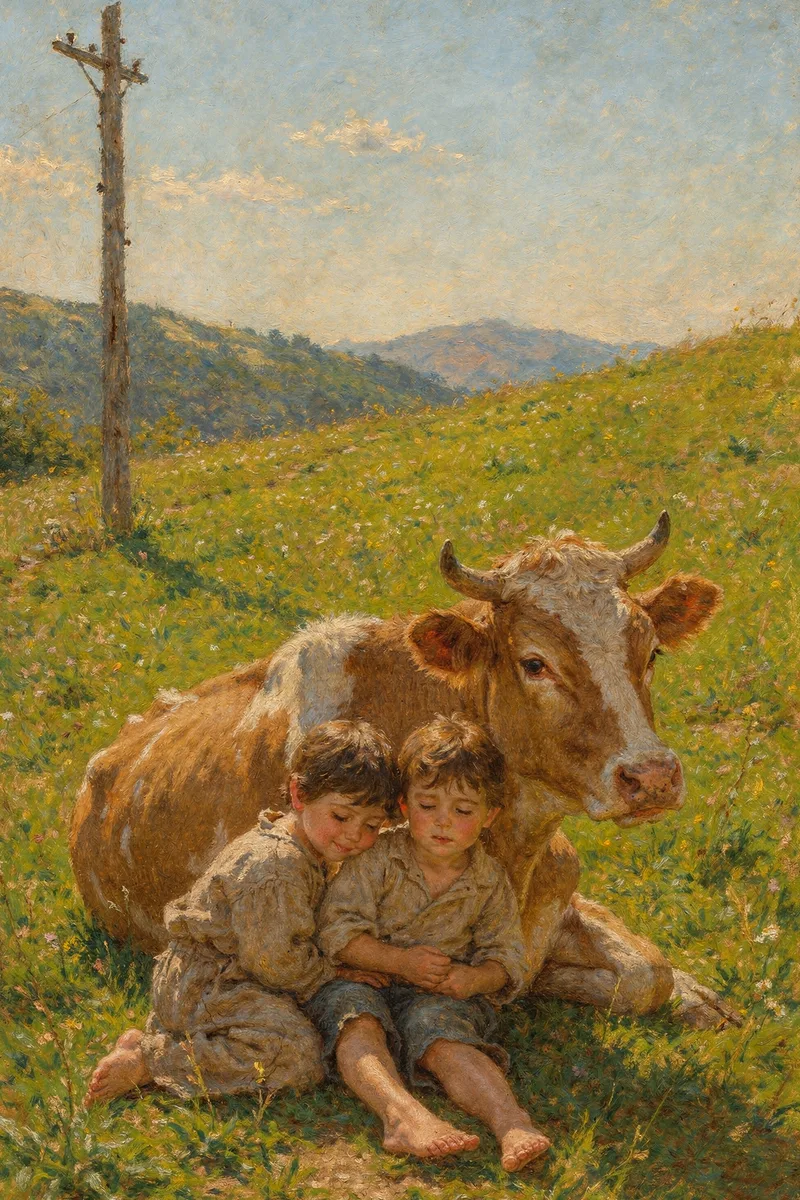
On a green triangular meadow called Somonte, cut at one corner by the Oviedo–Gijón railway, two motherless twins — Rosa and Pinín — and their gentle cow, la Cordera, are inseparable: «always the three of them».
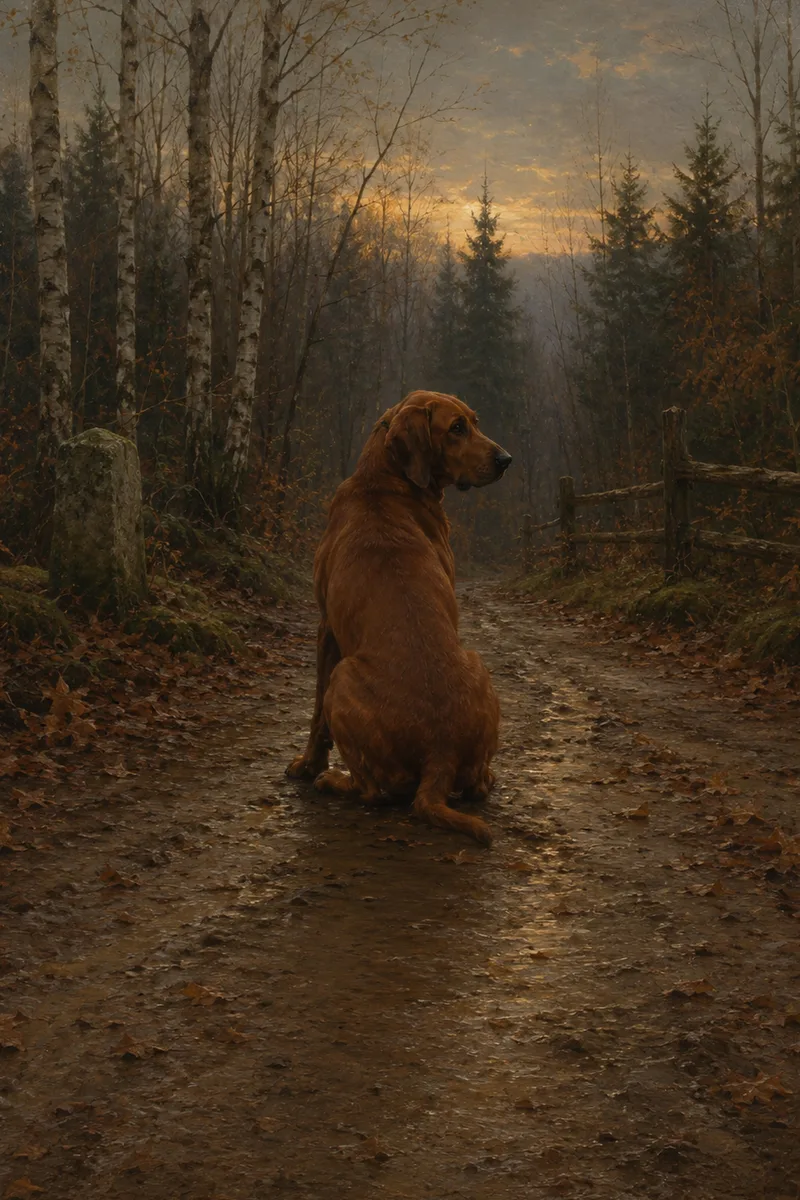
In a Moravian tavern the gamekeeper Hopp trades twelve bottles of cherry brandy for a starved hunting dog of faultless build, marked on the brow with a white line that branches like a fir twig.
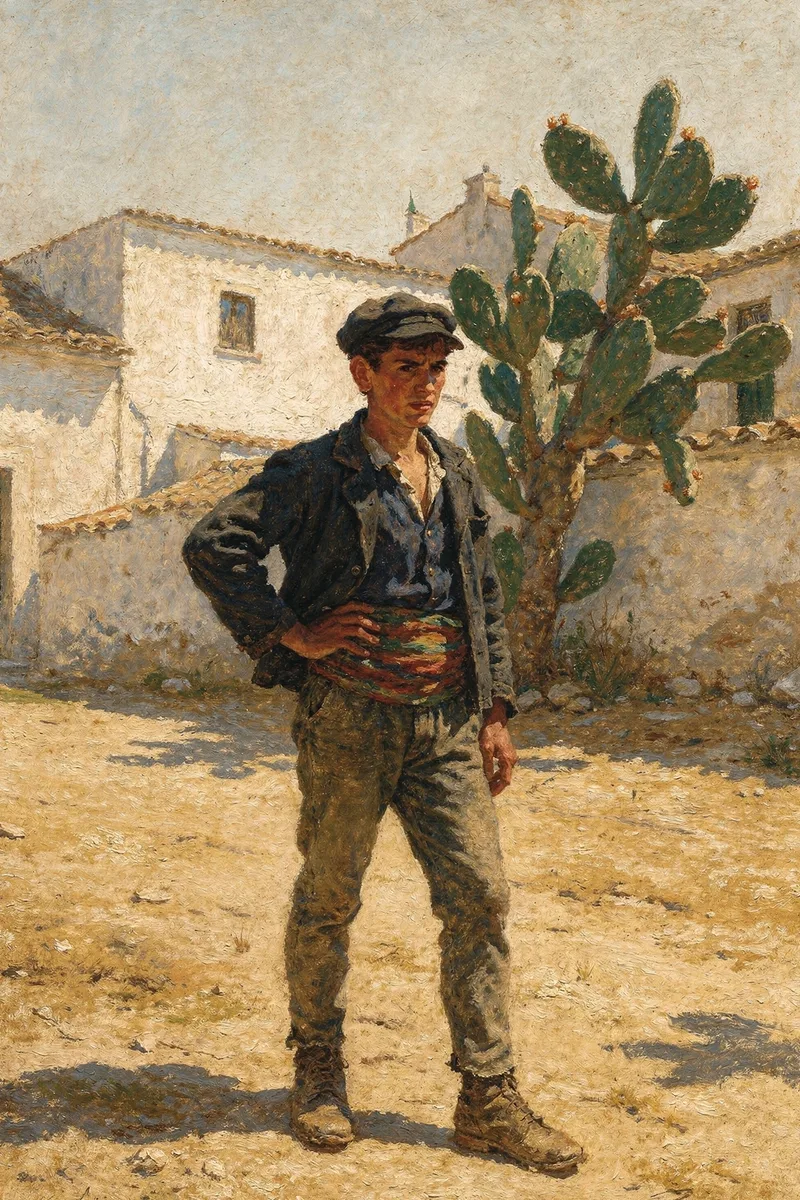
Home from his army service, the dashing Turiddu Macca struts the village square — only to find that Lola, the girl he had loved, has married the prosperous carter compare Alfio.
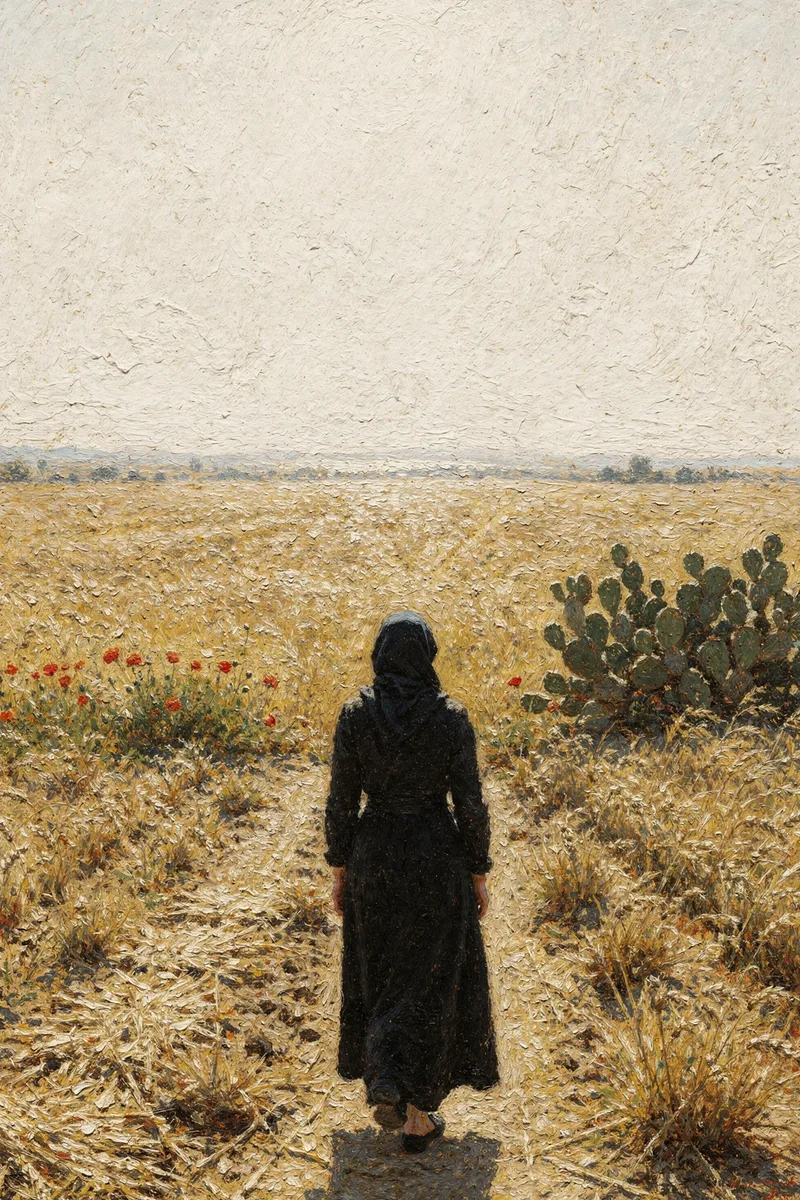
A tall, gaunt woman with lips made to devour whoever looks at her, she is known across her Sicilian village only as the She-Wolf — because nothing on earth can ever sate her.