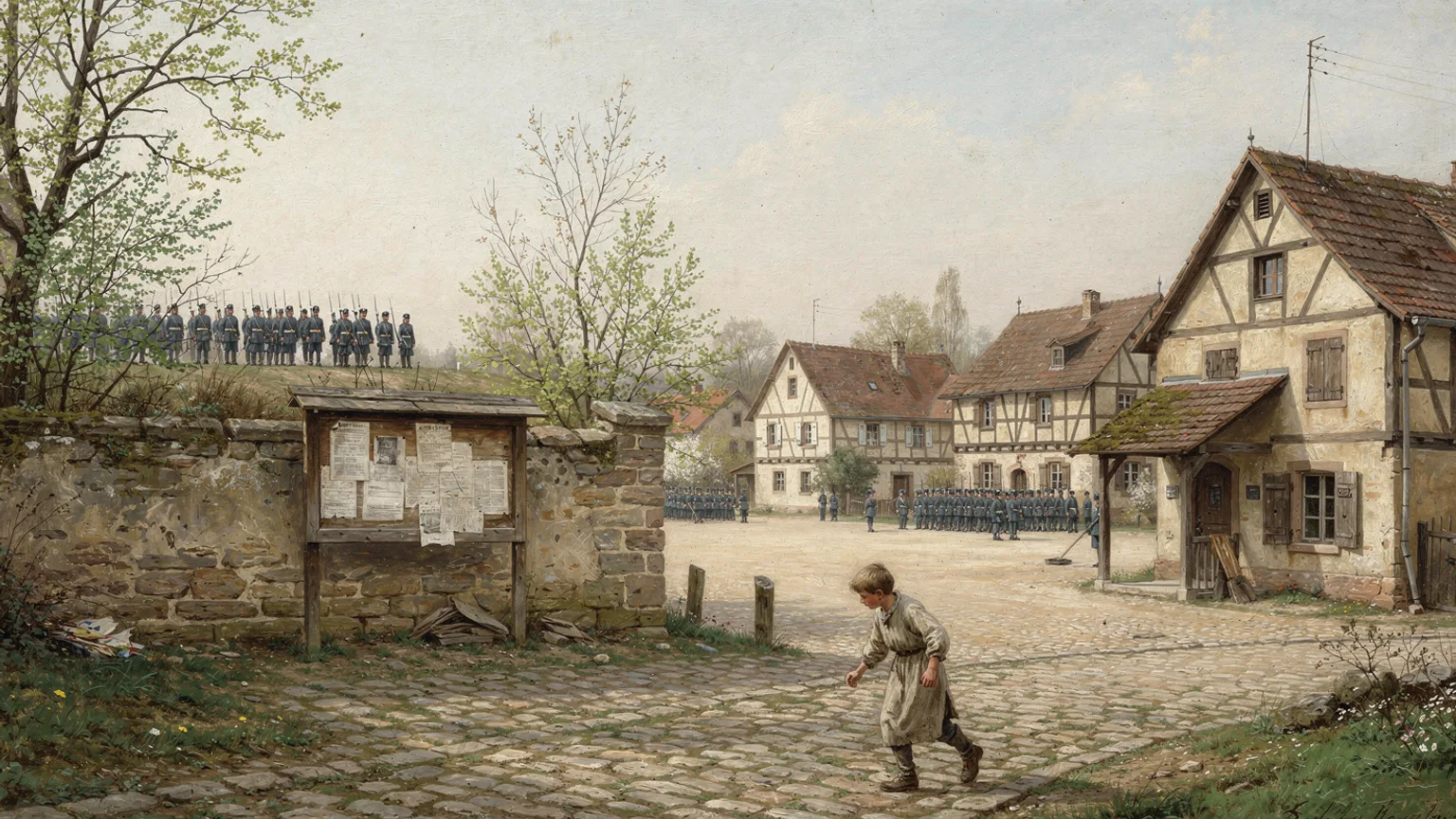
The Last Lesson
About this story
On a warm spring morning little Franz dawdles on his way to school, dreading a grammar lesson he has not prepared. But this is no ordinary day: an order has come from Berlin that henceforth only German may be taught in the schools of Alsace and Lorraine, and old Monsieur Hamel is giving his very last lesson in French. Alphonse Daudet's 1873 story, written in the bitter aftermath of the Franco-Prussian War, turns a single schoolroom morning into an unforgettable meditation on language, belonging and the things we treasure only when we are about to lose them. A cornerstone of French literature and one of the most beloved short stories ever written about a mother tongue.
By the numbers
About the author
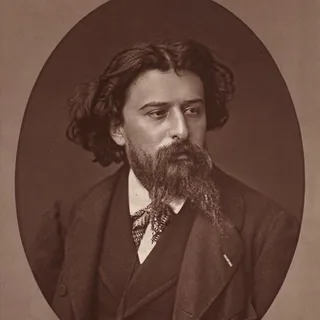
Alphonse Daudet (1840–1897) was a French novelist, short-story writer and playwright, born in Nîmes and raised in Provence, whose warm, ironic pictures of southern French life made him one of the most popular authors of the naturalist generation. His reputation was founded by «Lettres de mon moulin» (1869), a collection of Provençal tales and sketches, and consolidated by the comic novel «Tartarin de Tarascon» (1872) and the semi-autobiographical «Le Petit Chose» (1868). «La Chèvre de monsieur Seguin», first published in the newspaper L'Événement in 1866 and later gathered into the Lettres, is the best known of those tales, so widely read in France that it has almost acquired the status of a traditional folk fable about freedom and its price. Henry James, who befriended him in Paris, called Daudet «the most charming story-teller of the day».
Recognition
The tale's emotional power is attested from its very reception: under the German occupation, the writer Pierre Nord recounts attending a lesson in which the teacher read «The Last Lesson» aloud — and the whole class dissolved into tears.
The historians Mona and Jacques Ozouf have shown how lastingly «The Last Lesson» shaped the French republican school: few short stories have weighed so heavily on an entire pedagogy.
Daudet's story reached China early — its first Chinese translation is attributed to the reformer Hu Shi — and for close to a century it has been a fixture of Chinese school textbooks, embraced as a patriotic touchstone. A small Alsatian classroom became a global emblem of the bond between a language and a homeland.
Proof of its universal reach, the tale has spread to the far edges of Asia: «The Last Lesson» has been taught in schools to the Uyghurs — for whom it is a classic — even as many young French people of the same generation no longer studied it. Daudet's text speaks, across borders, to every community that sees its language threatened.
Practice typing
Type this retelling one piece at a time — your progress is saved as you go.
If you liked this

Normandy, autumn, a house so old that nothing in the guest room has moved since the Regency.
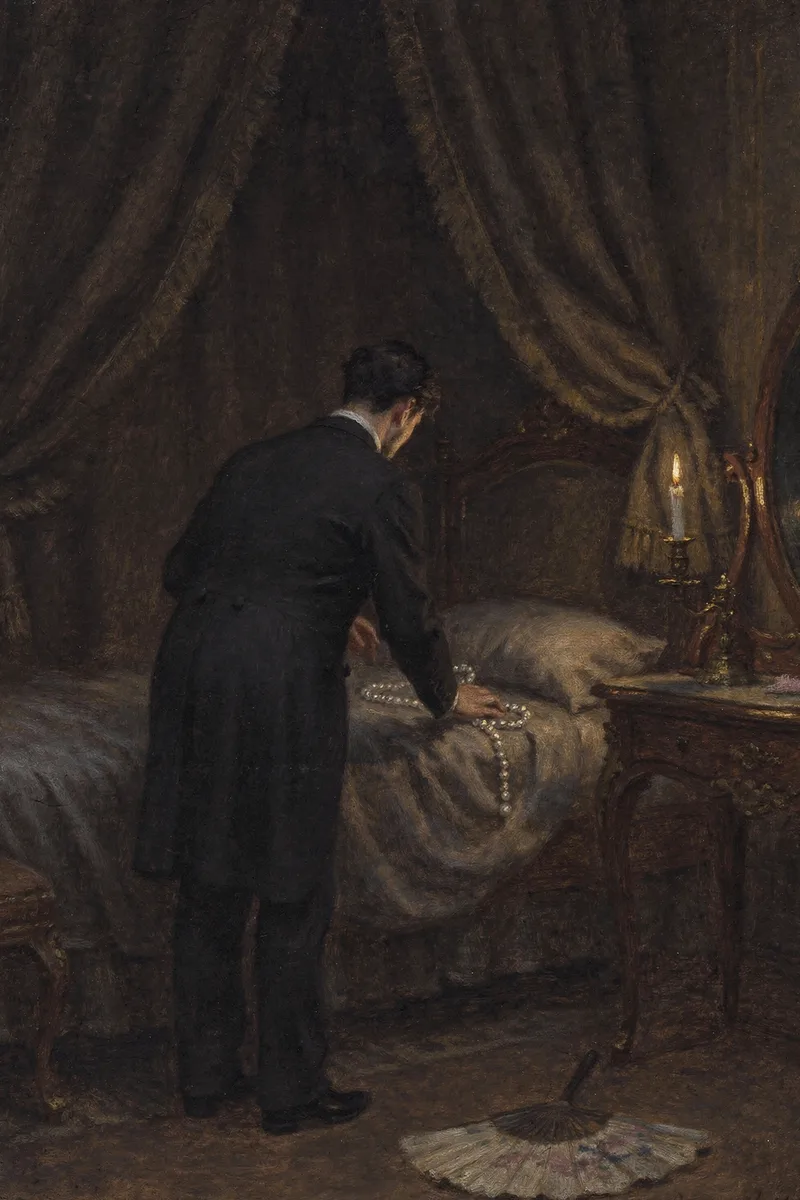
Six months a widower, the Count d'Athol refuses to believe his wife is dead.

At the bottom of a damp railway cutting, beside the black mouth of a tunnel, a lonely signalman keeps watch over the line — and over a figure no one else can see.
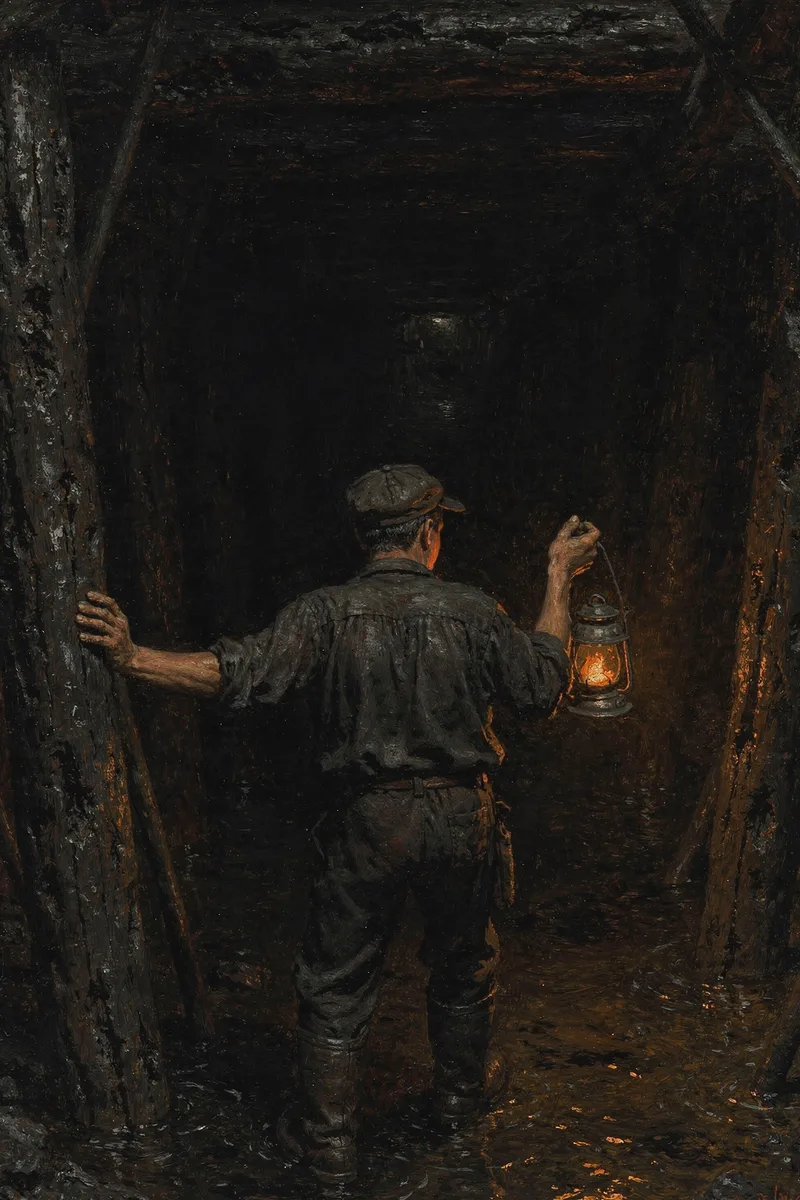
In 1904, Baldomero Lillo—the father of Chilean social realism—descended into the coal pits of Lota and came back with “The Devil's Shaft,” the most anthologized story in Chilean literature.