The Arrest of Arsène Lupin
About this story
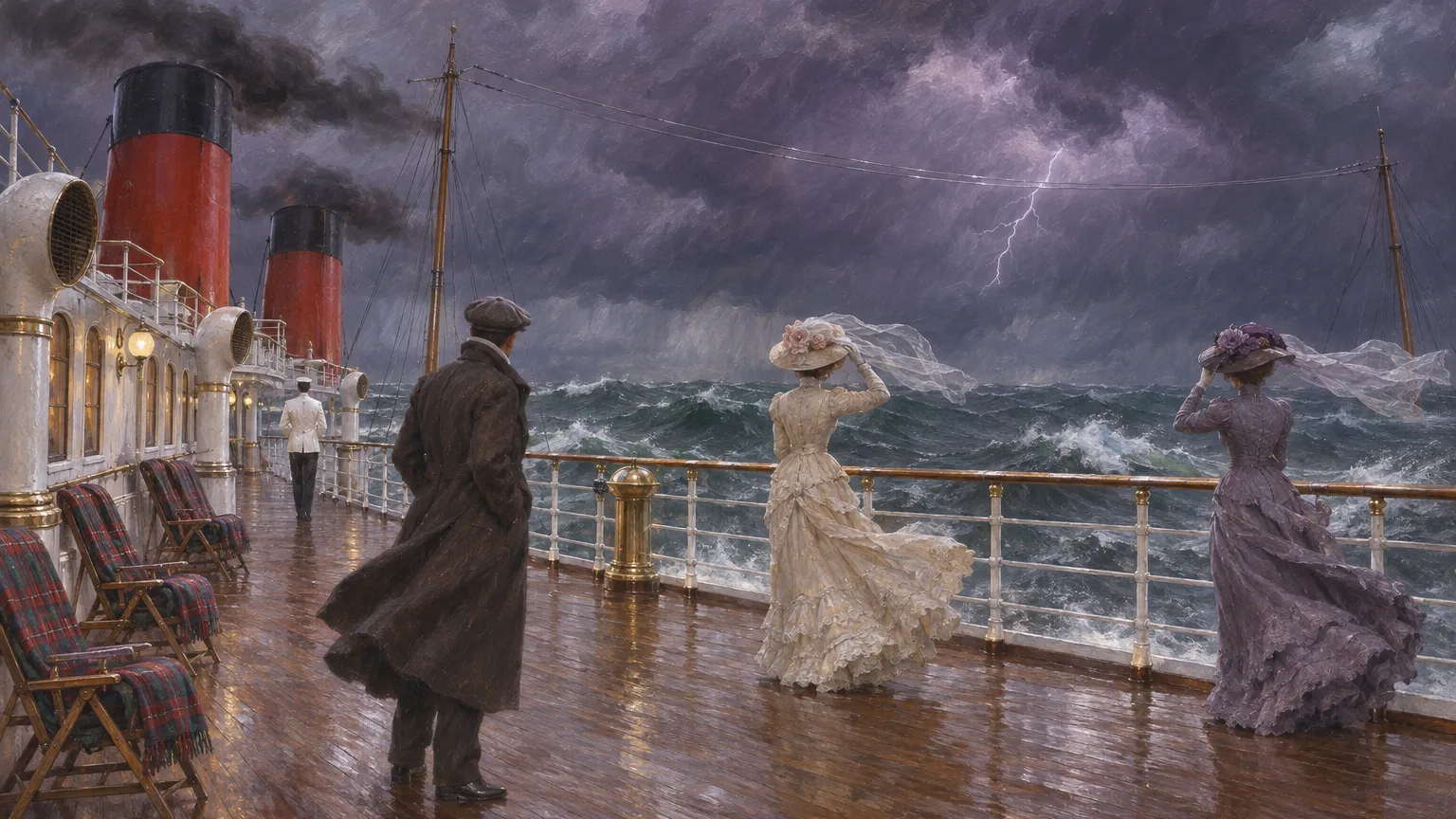
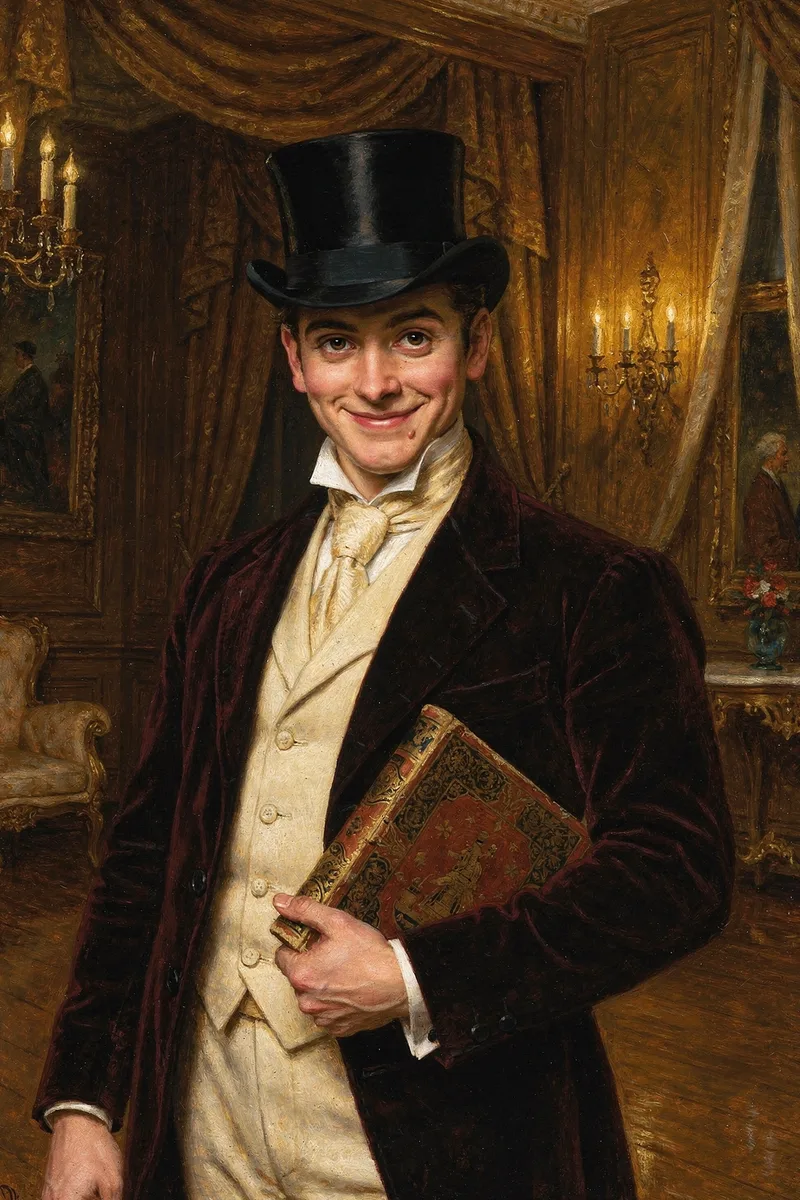
Five hundred miles out from France, on a storm-heavy afternoon, the wireless aboard the liner La Provence delivers astonishing news: Arsène Lupin is travelling in first class. He is blond, wounded on the right forearm, alone, and hiding under a name that begins with R. Then a thunderclap cuts the signal. Over the days that follow, the rarest stones vanish from Lady Jerland's jewellery and every courteous passenger becomes a suspect. You sail at the side of the narrator, a chatty Parisian courting the dazzling Miss Nelly. Maurice Leblanc wrote the story on commission for the magazine «Je sais tout», which printed it on 15 July 1905. It marks the first appearance of the gentleman burglar who became one of the most famous characters in French popular fiction.
By the numbers
About the author
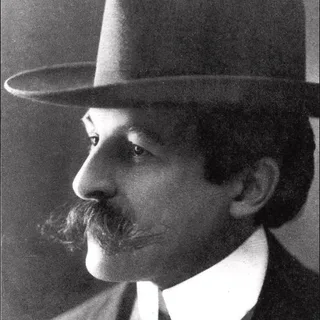
Maurice Leblanc (1864–1941) was a French novelist and short-story writer from Rouen. He began as a journalist and as an author of psychological fiction in the line of Flaubert and Maupassant; his first novel, «Une femme», came out in 1893. In 1905 Pierre Lafitte, editor of the monthly «Je sais tout», commissioned a story from him, and the result was Arsène Lupin, the gentleman burglar who grew into one of the best-loved figures of French popular fiction and occupied Leblanc for the rest of his career. His best-known books include «Arsène Lupin, gentleman-cambrioleur» (1907), «L'Aiguille creuse» (1909) and «Le Bouchon de cristal» (1912). «L'Arrestation d'Arsène Lupin», printed in «Je sais tout» no. 6 on 15 July 1905, is that first story: Lupin's debut, and the opening piece of the 1907 collection.
Recognition
I do believe that since the exploits of the illustrious English detective, not one adventure in the world has stirred curiosity as keenly as the exploits of this Arsène Lupin.
The Arsène Lupin cycle remains one of the great monuments of pre-1914 popular literature, alongside Rouletabille and Fantomas; yet it stands apart from them through a far keener concern for style and a kind of distinguished grace that still gives it its charm today.
Undoubtedly, Maurice Leblanc’s most important contribution to the mystery and detective genre was his creation of the extraordinary Arsène Lupin, the quintessential criminal-detective.
After his inaugural story “The Arrest of Arsène Lupin,” though, there was no doubting Leblanc’s triumph. Arsène Lupin was an exciting, alluring new character, and he became a sensation in his own right.
Practice typing
Type this retelling one piece at a time — your progress is saved as you go.
If you liked this
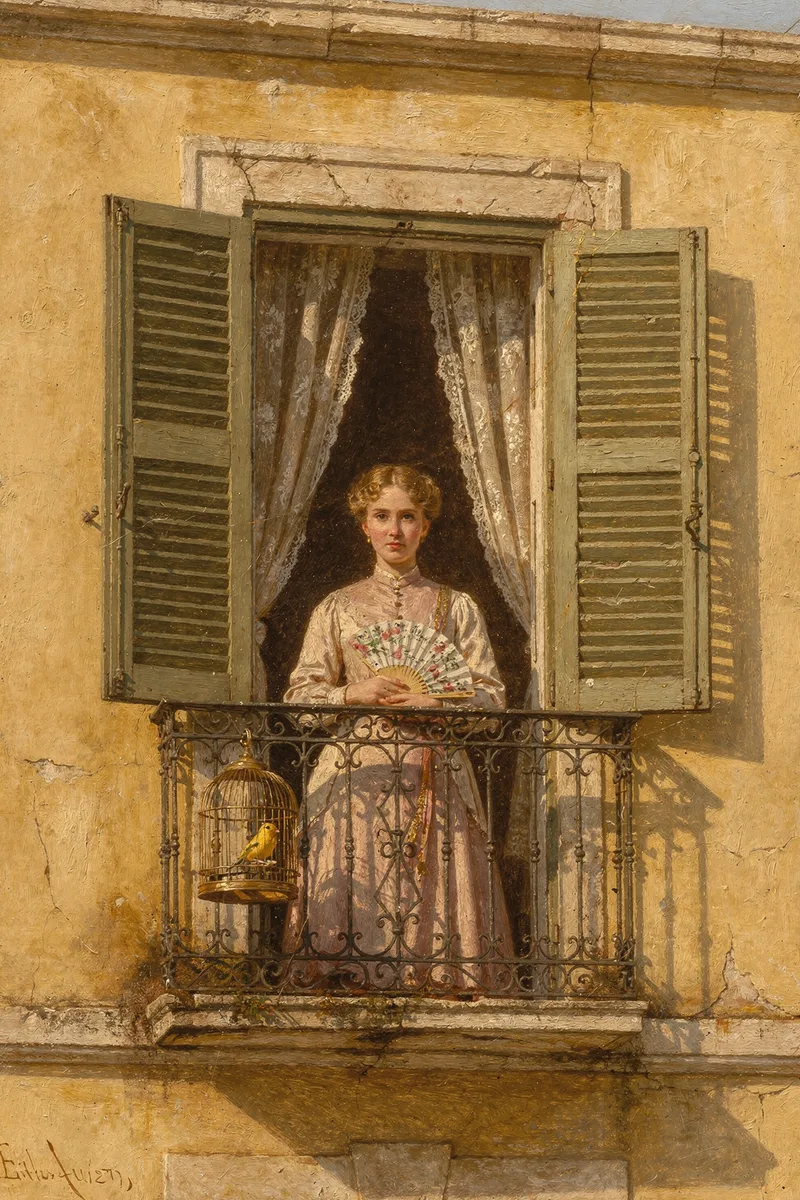
A tired traveller shares a room at a country inn, and a mild-mannered stranger named Macário begins to unburden himself of the strange love story of his life: how a fair-haired girl glimpsed across a Lisbon street became the moral compass of his existence, how he defied a tyrannical uncle and crossed the seas to Cape Verde to earn the right to marry her — and how a single, devastating moment in a jeweller's shop undid everything.
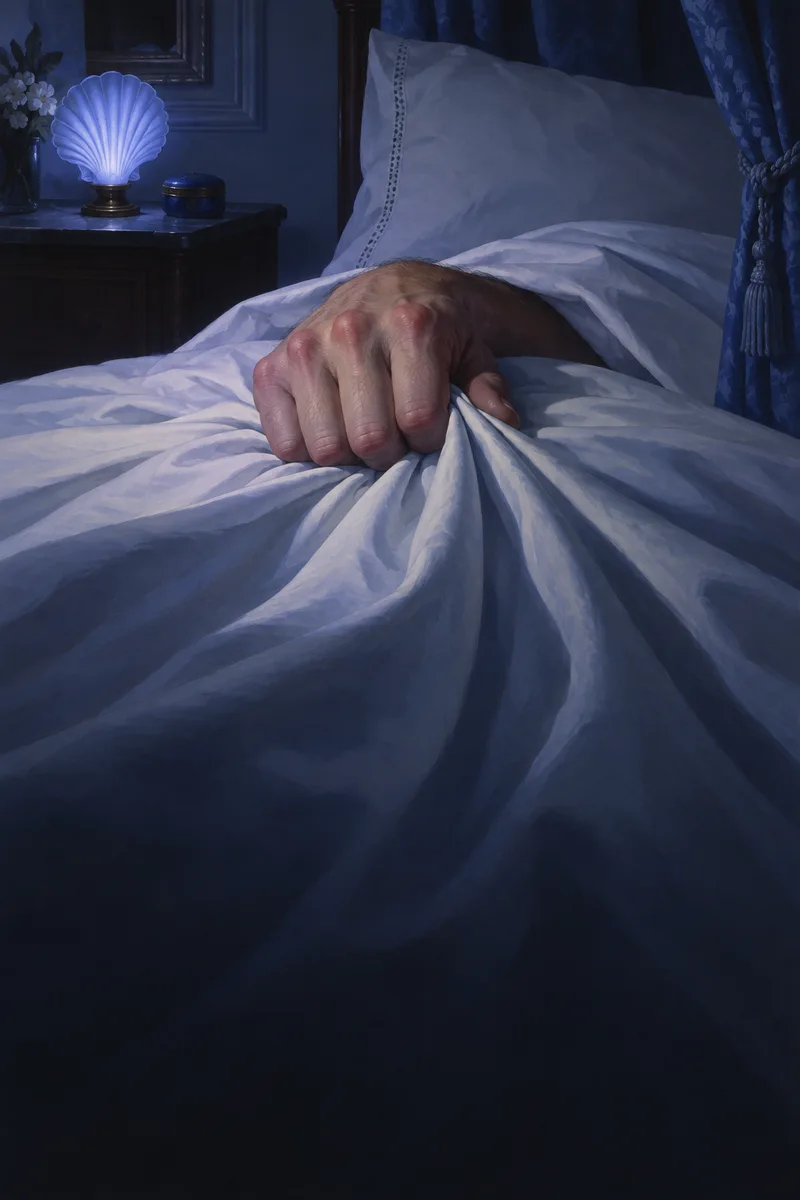
Two weeks into her marriage, a young bride lies awake beside her sleeping husband, proudly bearing the weight of his fair head on her shoulder.
Down to his last coin, Castelo answers a newspaper advertisement seeking a teacher of Javanese — a language of which he does not know a single word.

Jim Smiley will bet on anything: a horse race, a dog fight, which of two birds leaves the fence first, even whether the parson's sick wife pulls through.