Puss in Boots
About this story
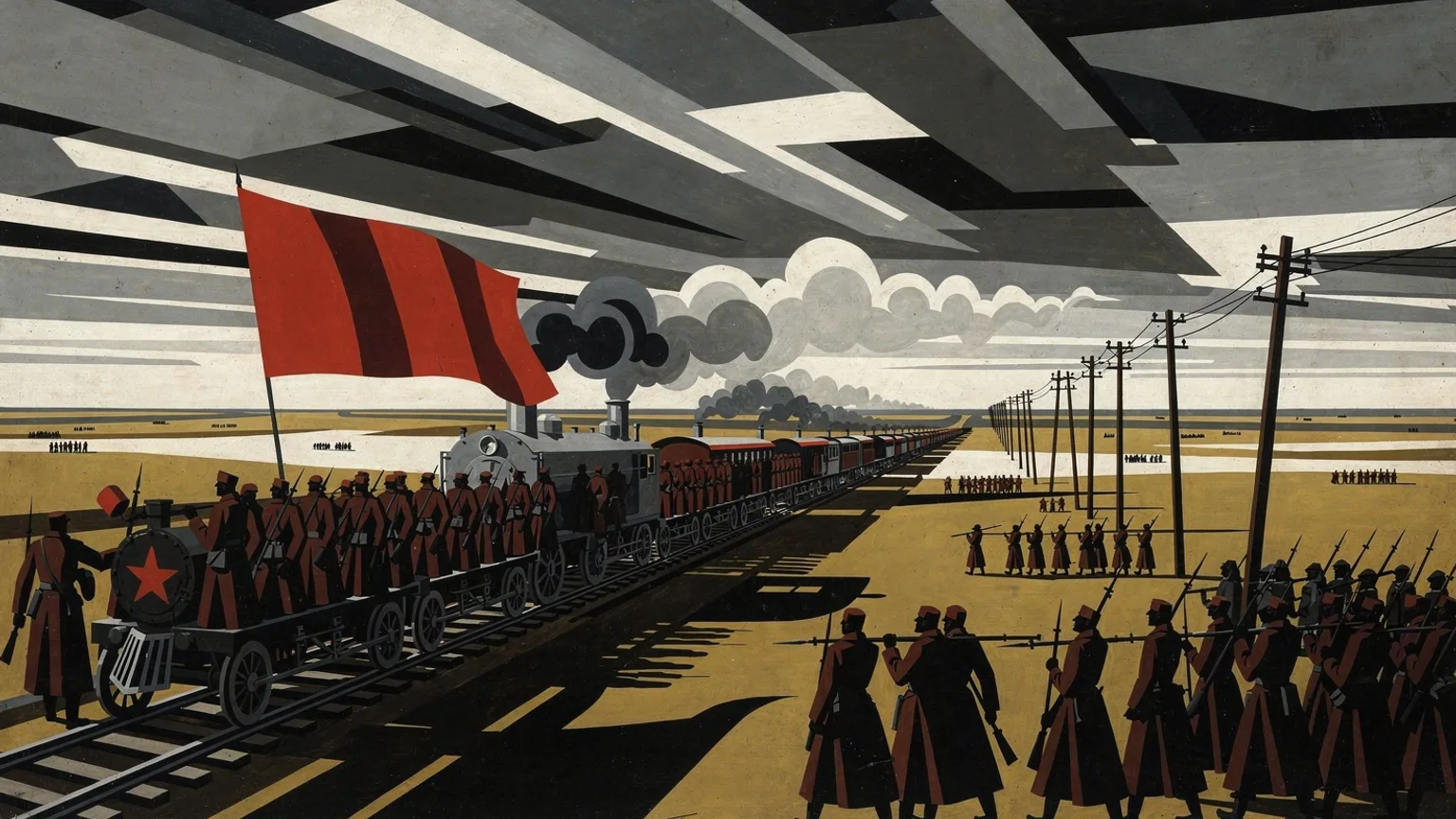
A small, plain woman in boots far too big for her — «Comrade Zhuchok» — tramps the roads of the revolution, tireless and utterly devoted, and the narrator sees in her the comic, touching figure of the fairy-tale «Puss in Boots». In this shimmering impressionistic sketch (1921), Mykola Khvylovy — the charismatic leader of Ukraine's literary renaissance of the 1920s — turns short, breathless, almost single-word sentences into a portrait of ardour and self-sacrifice. Tender and unsettling by turns, it is one of the finest miniatures of the «Executed Renaissance».
By the numbers
About the author
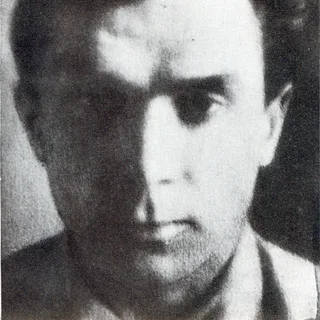
Mykola Khvylovy (1893–1933) — pen name of Mykola Fitilov — was one of the founders of modern Ukrainian prose and the charismatic leader of the literary generation later known as the «Executed Renaissance». A committed communist who grew bitterly disillusioned with Moscow's control, he coined the slogan «Away from Moscow!» and called on Ukrainian culture to turn toward Europe. Cornered by Stalinist repression and the famine of 1933, he took his own life in Kharkiv — a death that became a symbol of an entire silenced generation.
Recognition
These two collections contain almost all of Mykola Khvylovy's major prose texts. They were immediately recognized as a new stage in the development of Ukrainian prose that had a significant impact on many other authors of the time.
The ornamental, impressionistic style of these and later lyrical-romantic stories — which exhibited the influence of expressionism — became paradigmatic for most young Soviet Ukrainian writers then beginning their careers.
Khvylovy's novella stands at the border between modernist and realist prose, with elements of impressionism. The novella is filled with heroic pathos.
Mykola Khvylovy was one of the founders of post-revolutionary Ukrainian prose and one of the most famous representatives of the Ukrainian Renaissance in literature of the 1920s–1930s.
Practice typing
Type this retelling one piece at a time — your progress is saved as you go.
If you liked this
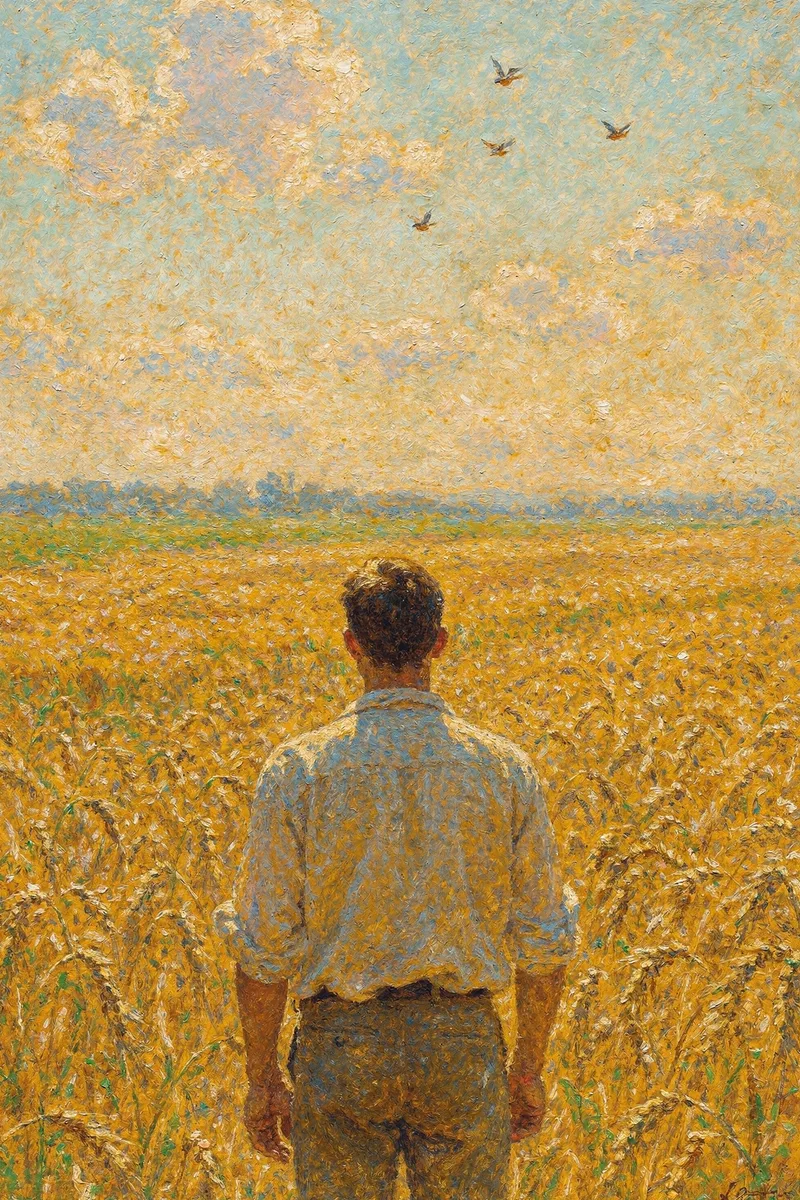
Worn down by the city and by the weight of other people's grief, a man flees to the quiet of the fields.
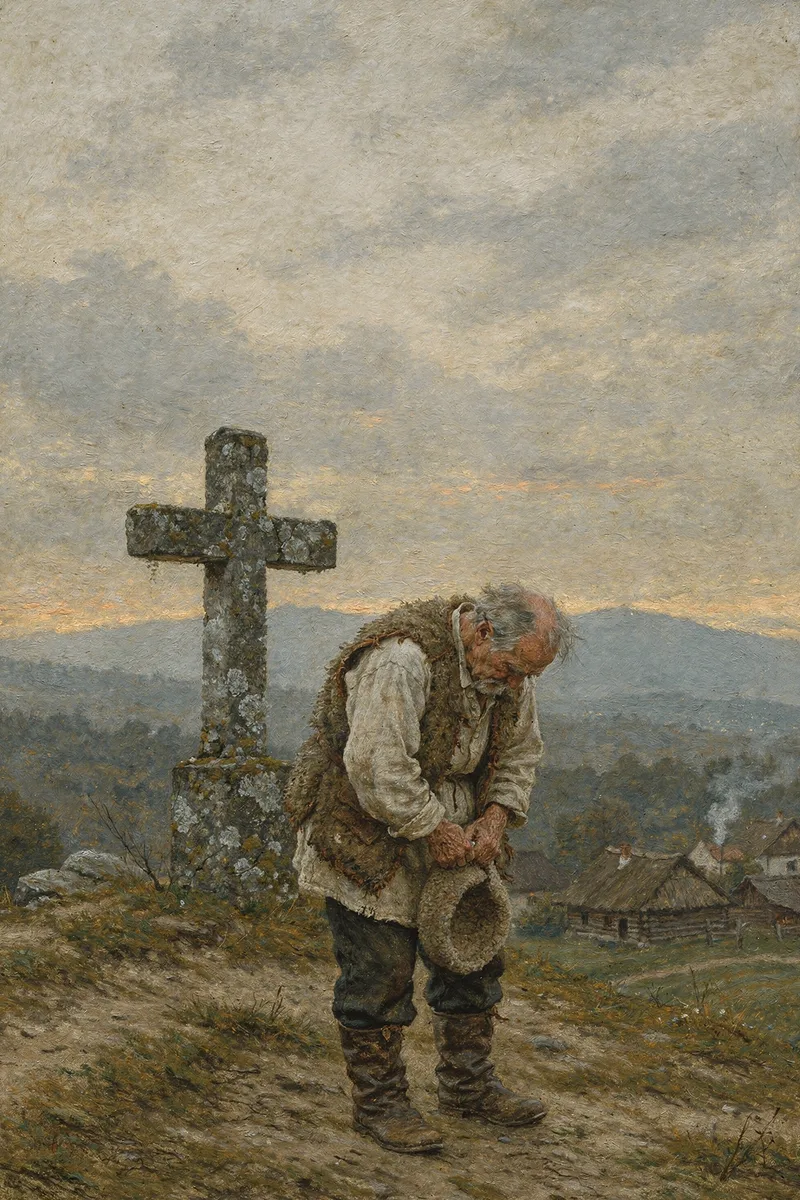
Ivan Didukh has spent his life breaking his back on a worthless sandy hill — the only land he inherited — until he is bent double and the village calls him «the Broken One».
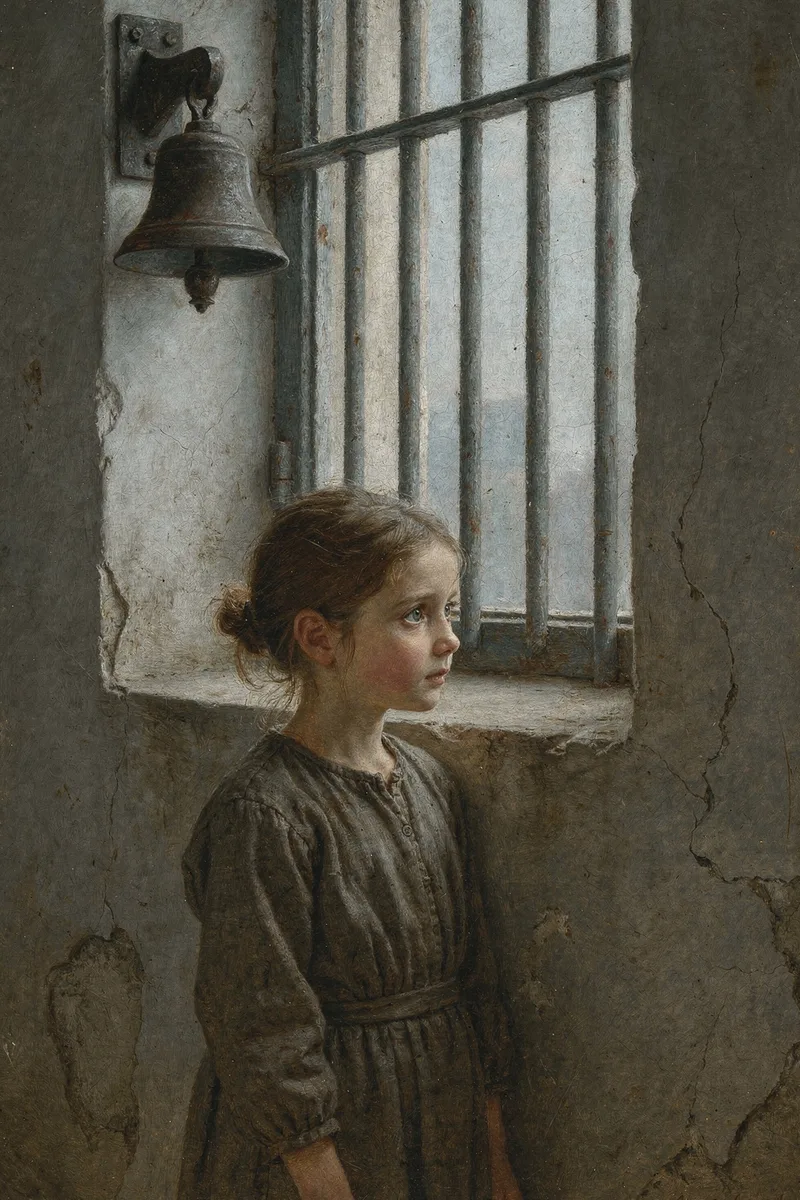
A gifted, songful little village girl is taken into a big-city orphanage-school, where an alien tongue and the merciless clang of the institution's bell close over her like cold water.
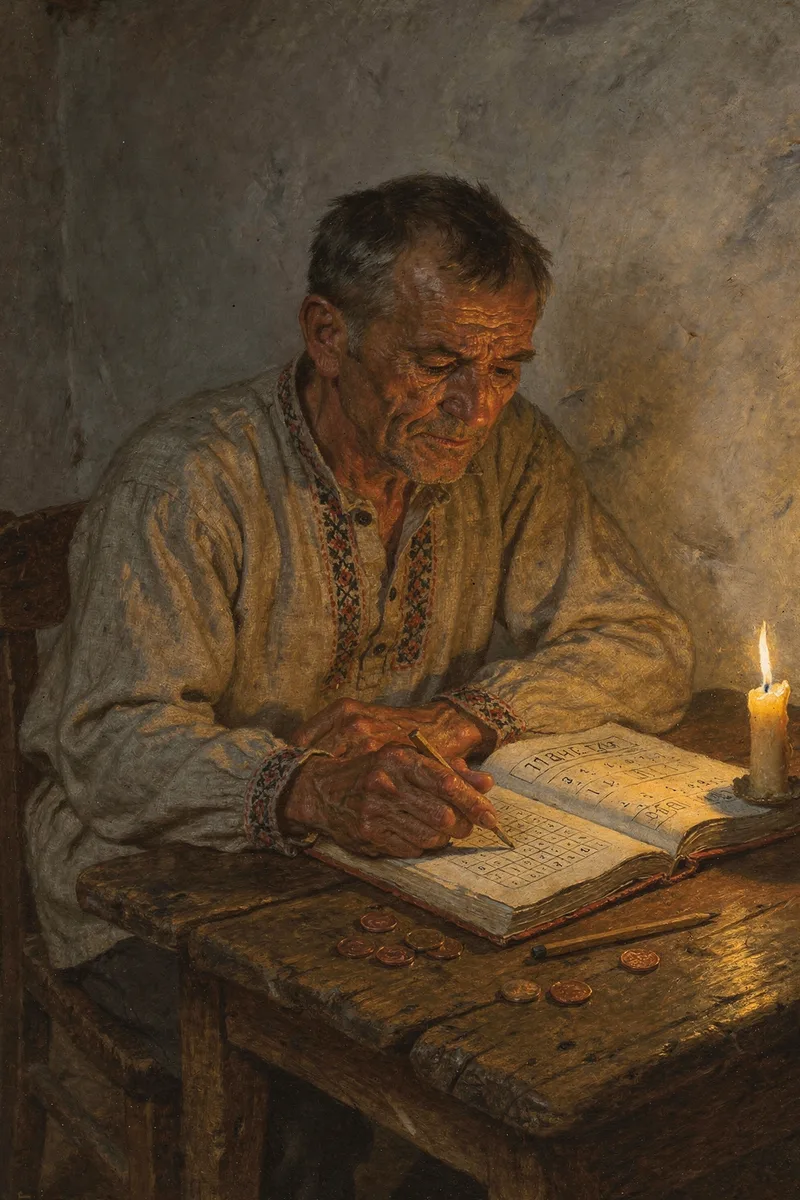
When a village shopkeeper lends the peasants a school arithmetic primer, its tidy word-problems — so many acres to a landowner, so many roubles to the estate — are read aloud by lamplight to a gathering of farmhands.