Khukha Mokhovynka
About this story
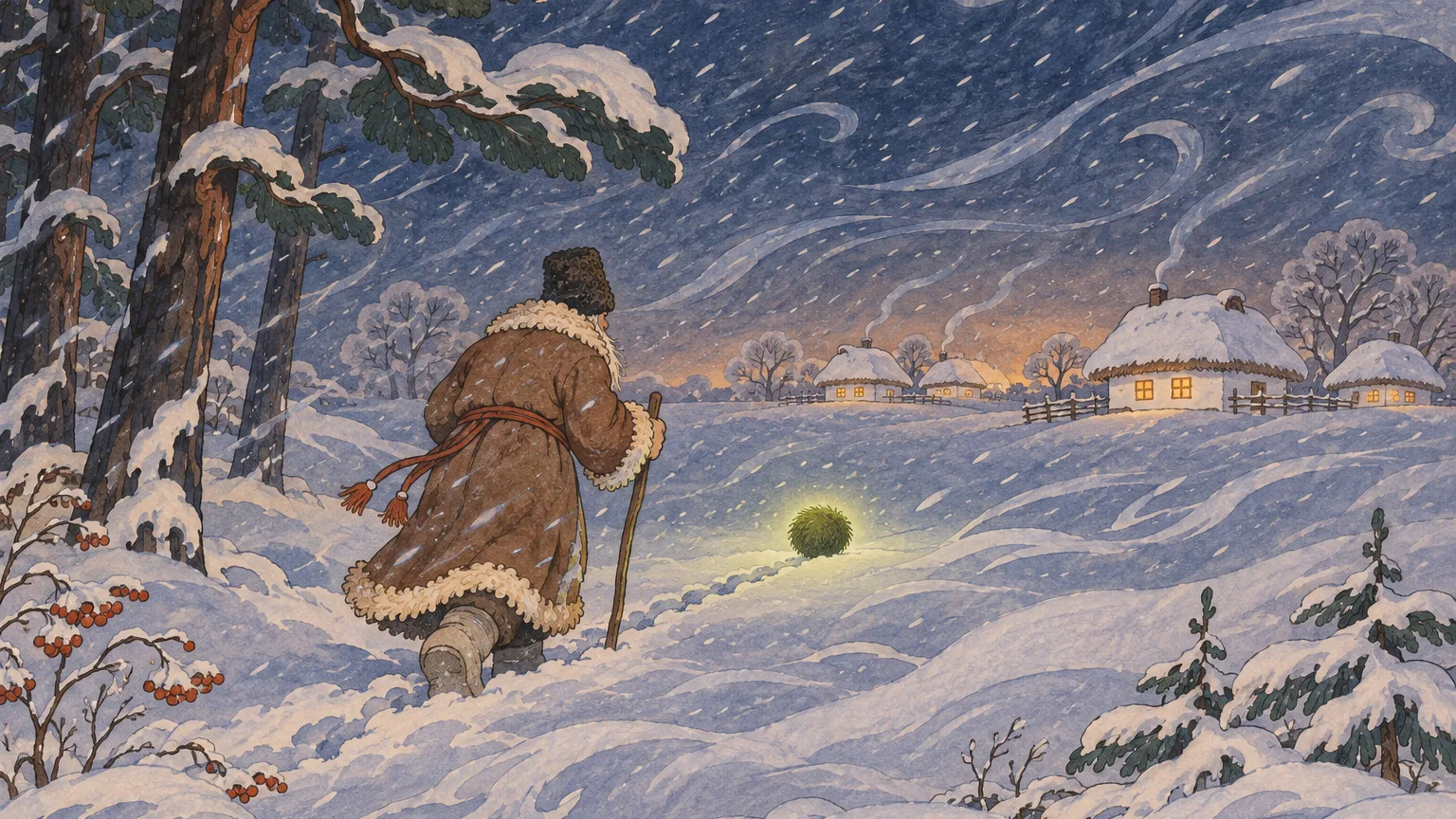
Mokhovynka is the youngest of the forest Khukhas: a kitten-sized spirit with a face like a pansy and fur that turns green on moss, blue by a stream and white on snow. In winter an old man hacks at the three-trunked pine she lives under, and she flees to a village goat shed. There two children, kind-hearted enough to see her, become her friends, until the same old man flings an axe at her and calls her an unclean thing. A year later he is stuck in a blizzard drift. Vasyl Koroliv-Staryi printed the tale in «Nechysta syla» (1923), 25 stories in which Ukrainian folk demons turn out gentle. The book was reissued in Ukraine only in 1990, and this tale became Ukrainian fifth-graders' first meeting with its author.
By the numbers
About the author
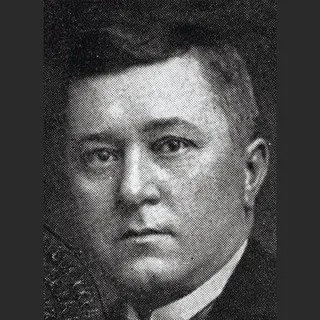
Vasyl Koroliv-Staryi (1879–1941), born Vasyl Koroliv in the Poltava region, was a Ukrainian writer, translator, publisher and civic figure. A veterinarian by training, he co-founded the Kyiv publishing house «Chas» in 1908, edited the book journal «Knyhar» in 1917–1919 and was elected to the Central Rada. In 1919 he went to Prague with the diplomatic mission of the Ukrainian People's Republic and stayed in Czechoslovakia for the rest of his life, teaching at the Ukrainian Husbandry Academy in Poděbrady; the writer Natalena Koroleva was his wife. His best-known books are the tale collection «Nechysta syla» («Unclean Force», 1923), the youth novel «Chmelyk», the collection of tales about girls «Charivne namysto» (1937) and the memoir «Zghadky pro moiu smert» (1942). «Khukha Mokhovynka» comes from «Nechysta syla», a book of 25 tales in which the spirits of Ukrainian folk belief turn out to be kind rather than menacing. First printed in 1923, the collection was reissued in Ukraine only in 1990, almost seventy years later, and this story became the tale through which Ukrainian fifth-graders first meet its author.
Recognition
Each of the 25 stories brings in a new hero, and Vasyl Koroliv-Staryi tells of the «invisible force» with remarkable gentleness, preserving the smallest details of these old fairy-tale figures.
The author set out to bring to life and reimagine in his own way the folk and fairy-tale figures of the «non-existent, invisible world», to treat anew the «unclean force» (devils, werewolves, witches, vampires, rusalkas, poterchata, house spirits, water spirits, zlydni, perelesnyky and the like) with which, for some reason, people, and especially children, used to be frightened.
The study notes that the artistic world of the collection "Evil Spirits" is filled with representatives of the demonic cosmos, which are interpreted in a unique way by the author's imagination, acquire positive traits (kindness, generosity, humanism, etc.) and in difficult life situations take the side of the offended and weak.
Pupils have always learned about Vasyl Koroliv-Staryi in the fifth grade, by studying his tale «Khukha Mokhovynka». […] Experience shows that children like Vasyl Koroliv-Staryi's works very much (both «Khukha Mokhovynka» and «Mavka Verbynka», and other texts): they read them willingly, share their impressions of what they have read with enthusiasm, and gladly draw illustrations.
Practice typing
Type this retelling one piece at a time — your progress is saved as you go.
If you liked this
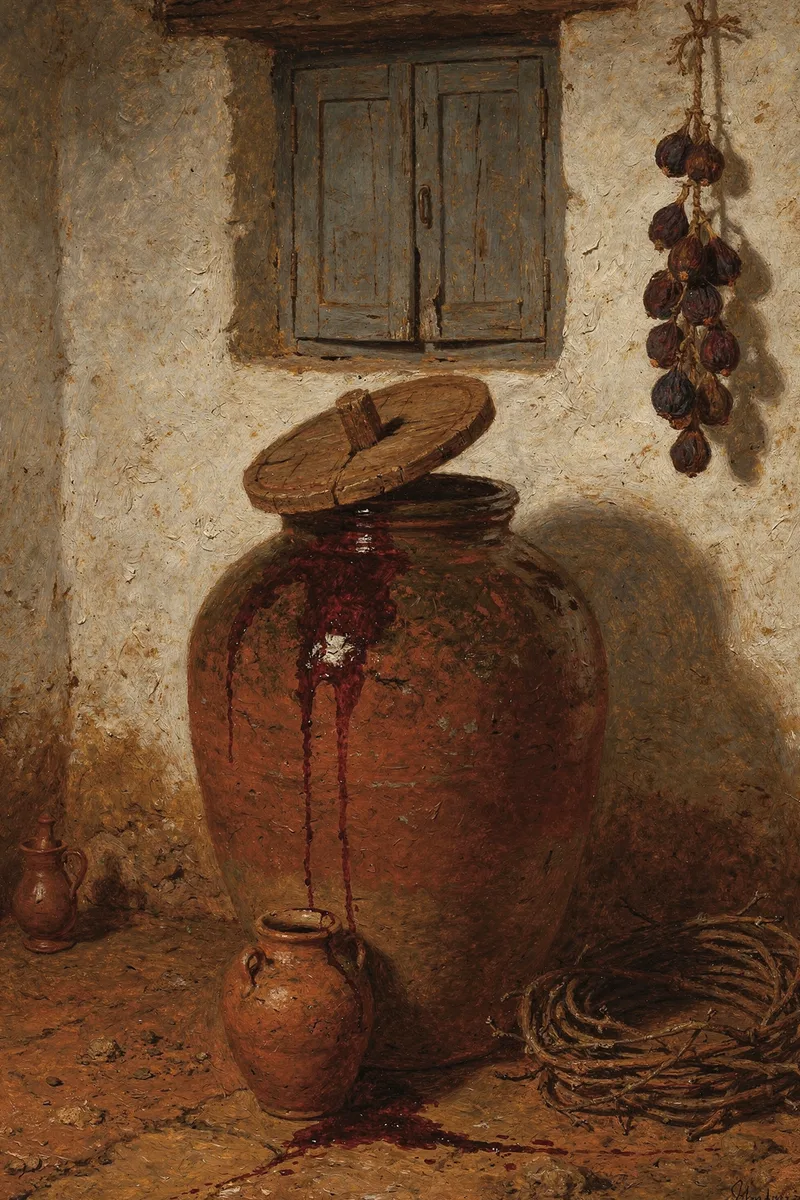
After a bountiful harvest, the poor laborer Canellas pays off every debt and hoards a last treasure: a great jar of ruby wine fermenting in his pantry.
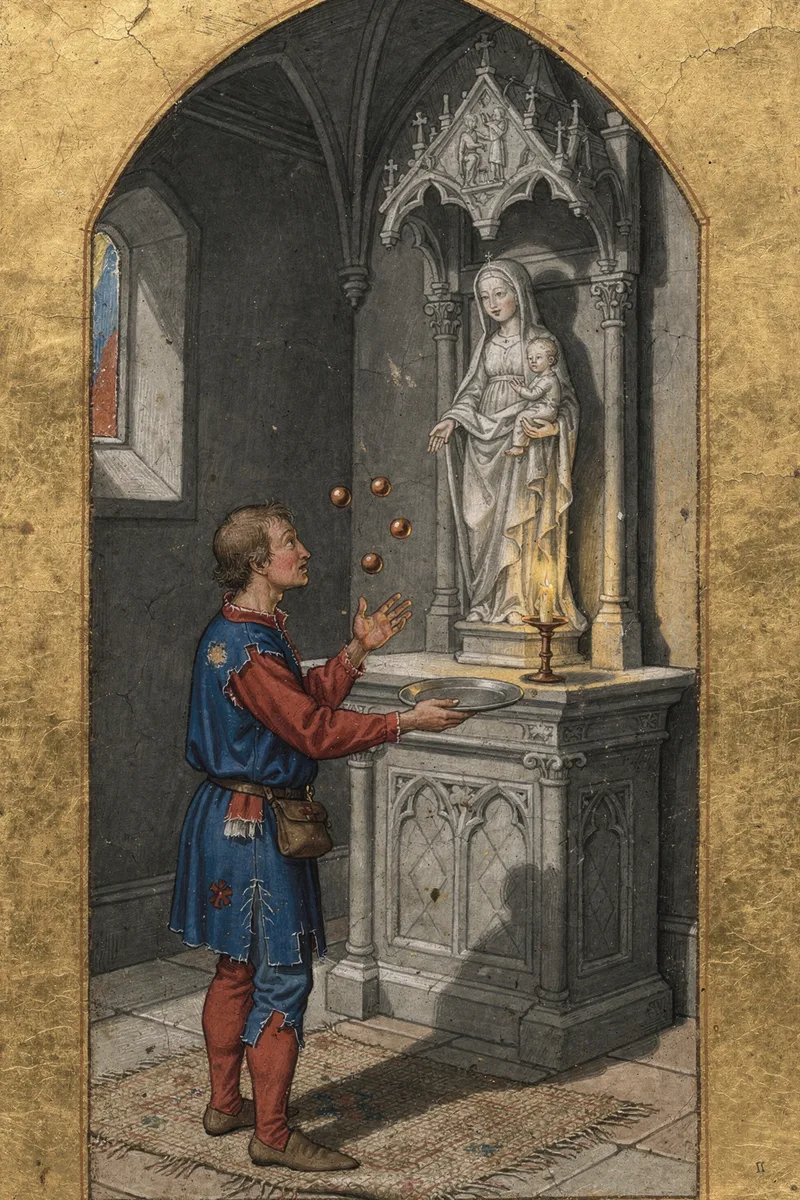
Barnabé is a poor traveling juggler who earns his coins on a threadbare carpet, spinning copper balls and balancing a tin plate on the tip of his nose.
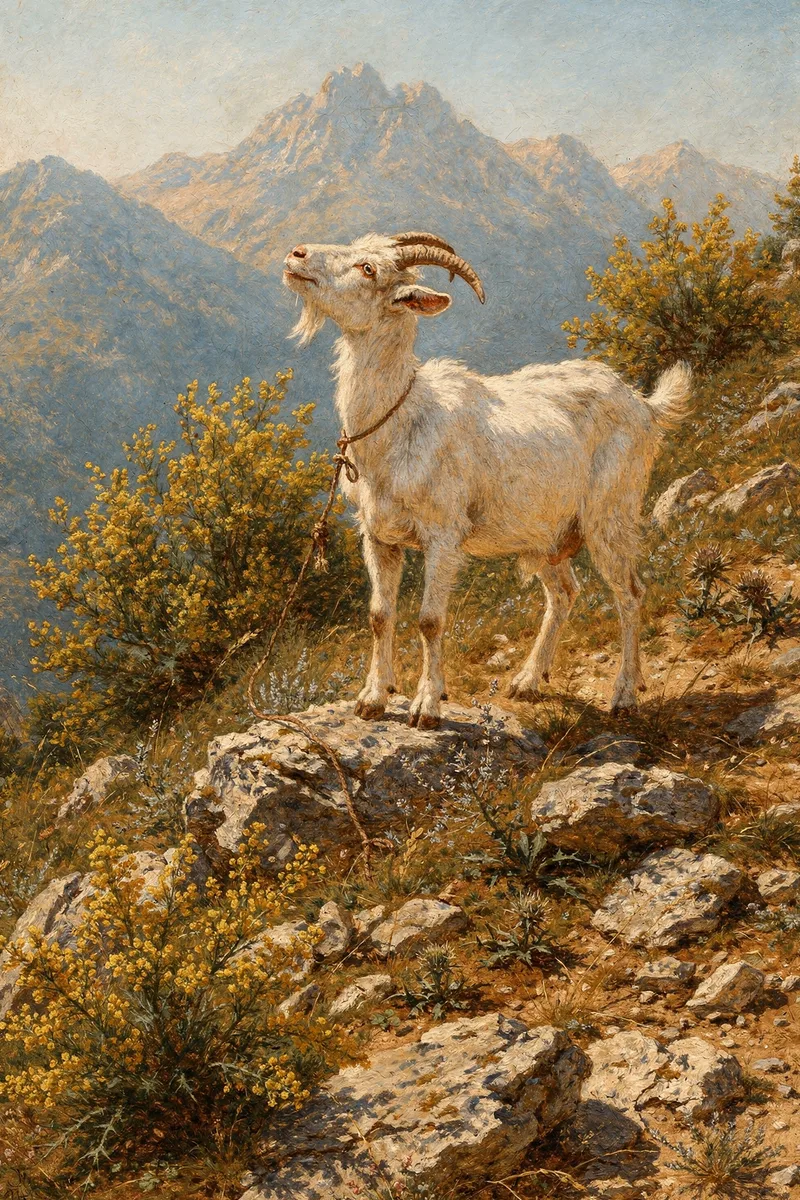
To warn a young poet against trading his freedom for a salaried desk, Alphonse Daudet spins the tale of Monsieur Seguin's little white goat.
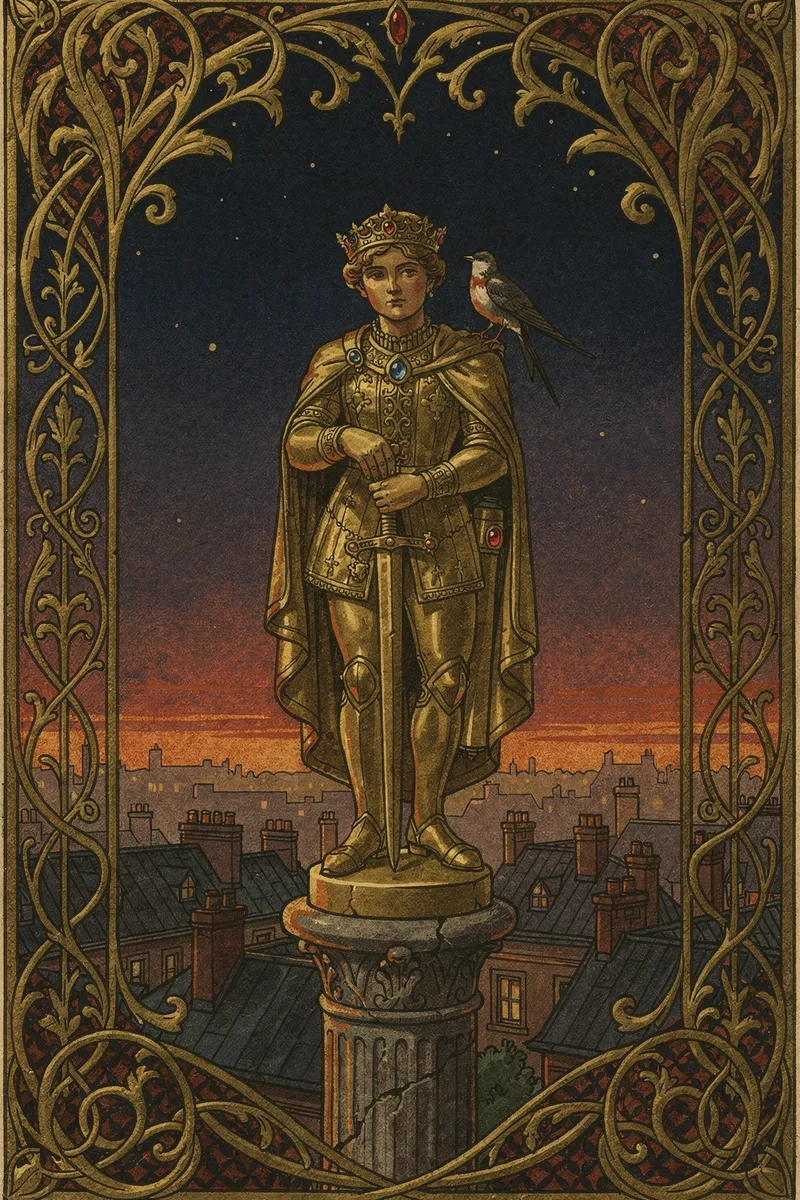
A jewelled statue of the Happy Prince gazes down on his city and weeps at the misery below, so he begs a little Swallow — left behind when his flock flew to Egypt — to strip away his gold and gems and carry them to the suffering poor.