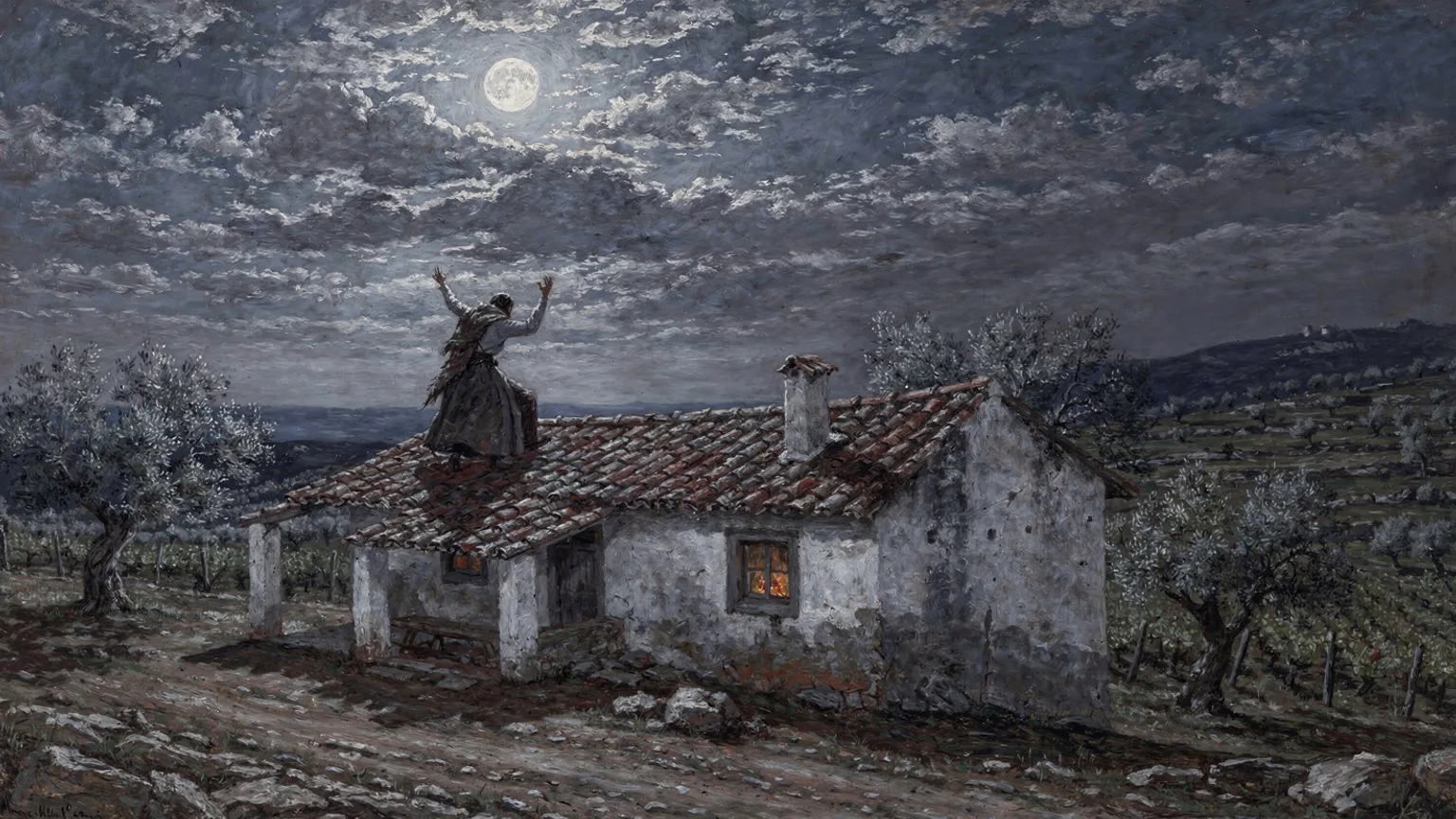
Godmother Monica's Idea
About this story
After a bountiful harvest, the poor laborer Canellas pays off every debt and hoards a last treasure: a great jar of ruby wine fermenting in his pantry. But his son's godmother, the lean and envious widow Monica, has designs on it. Day by day the two women drain the jar dry — and when Canellas finds it half empty, Monica hatches her masterstroke: a night of shrieking «witches» on the rooftop, a clandestine sale to the tavern-keeper, and a fishing trip that leaves the poor man convinced that demons drank his wine and smashed his pot. A merciless comedy of envy and superstition by Fialho de Almeida — one of the great masters of the Portuguese conto and the fiercest pamphleteer of his age — from his 1881 debut, «Contos».
By the numbers
About the author
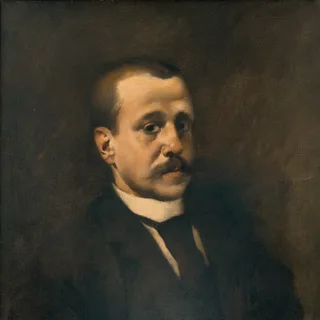
José Valentim Fialho de Almeida (1857–1911) was a Portuguese short-story writer, journalist and satirist of the late-nineteenth-century realist-naturalist period, widely regarded as one of the great masters of the Portuguese conto and the foremost pamphleteer of his age. Trained as a physician but wholly devoted to literature, he forged a dense, painterly prose that critics count among the boldest renewals of the Portuguese language. His signature works include the caustic chronicles of Lisbon life gathered in «Os Gatos» (1889–1894), the sun-struck rural stories of «O País das Uvas» (1893), and «Lisboa Galante» (1890). «A idéa da comadre Mónica» belongs to «Contos» (1881), his debut collection, dedicated to Camilo Castelo Branco, which first established his reputation as a short-story writer.
Recognition
Fialho de Almeida was also a consummate short-story writer. Many regard him as a master of the genre. In a few pages he could carve out characters across different eras and settings while unspooling the action, revealing psychologies, types, temperaments and motives; more often than not, he attains the emotional intensity fitting to — and even enriching — the narrative he has created. Among his most admired works is «Contos», of 1881.
A cultivator of the short narrative and of writings with a pamphleteering, critical flavour, he stands out above all as a short-story writer and chronicler. In him converge influences of the naturalist creed, shades of a rustic realism born of a feeling for the landscape and of the benevolent gaze he casts upon the humble, upon those who live off the land, as well as aspects of the decadent aesthetic.
He upended everything, magnified everything, laughed at everything... Fialho's work could be nothing but this — by fits and starts, and enormous.
A Portuguese short-story writer and political essayist of the realist-naturalist period. In O país das uvas (1893) and other short-story collections, he offers lively, earthy descriptions of rural Portuguese life, which he contrasts favourably with the decadence of the cities.
Practice typing
Type this retelling one piece at a time — your progress is saved as you go.
If you liked this
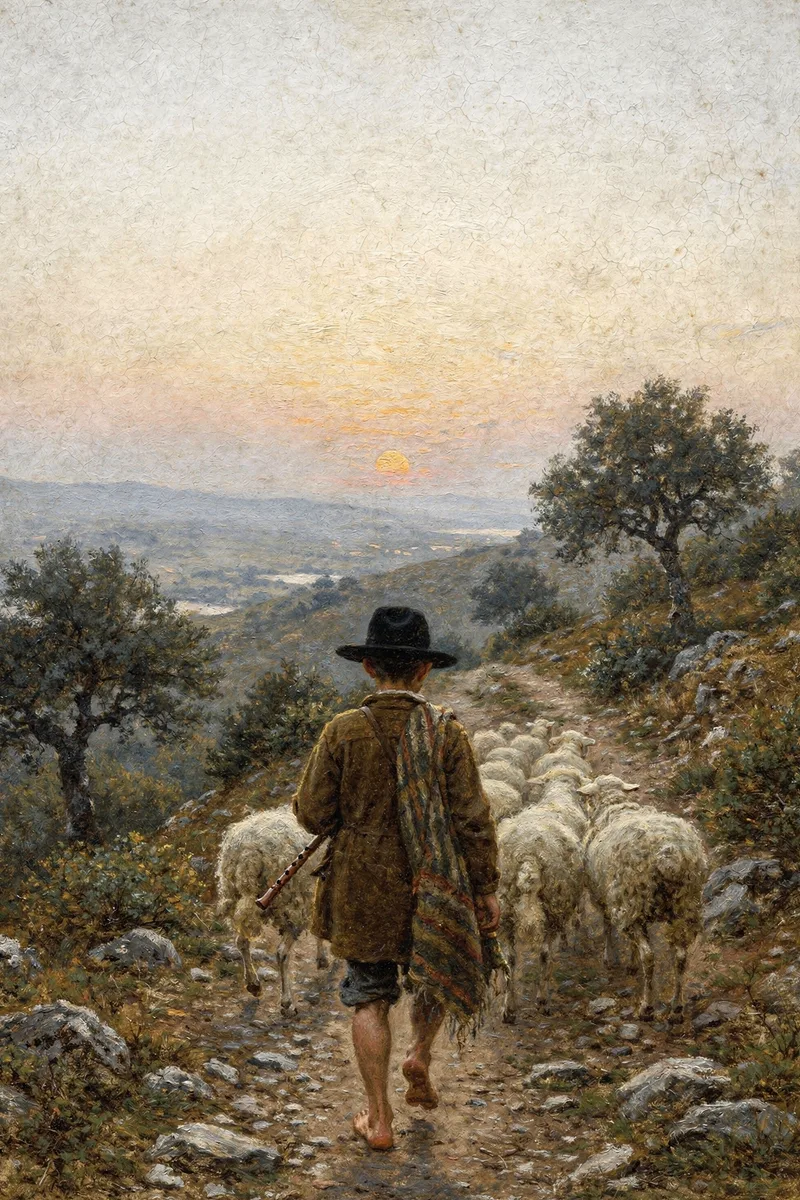
At first light, the shepherd boy Gonçalo drives his flock down through a sleeping Trás-os-Montes village to the river — hoping, against hope, to find on the far bank Rosária, the shepherd girl he has not seen for so long.

Baghdad, in the golden age of the caliphs: bored on a lazy afternoon, Caliph Chasid and his grand vizier Mansor buy a mysterious box of powder from a peddler, along with the magic word «Mutabor» that lets them turn into any animal they please — provided they never laugh while transformed.
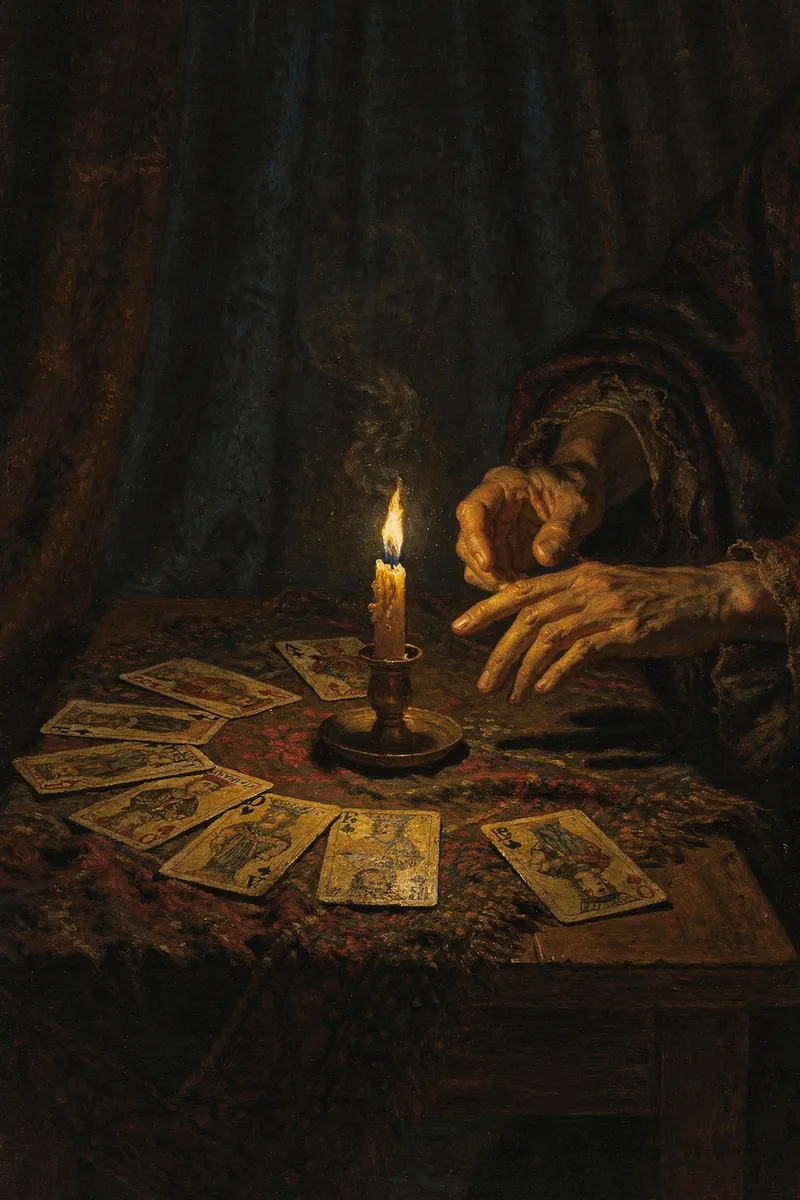
«There are more things in heaven and earth than are dreamt of in your philosophy.» With Hamlet's words Machado de Assis opens his most famous tale of fate and self-deception.
In a sleepy provincial town, Maria da Piedade is held up by all as the model of virtue — a lovely young wife who has poured her whole life into nursing an invalid husband and their frail children, never once complaining.