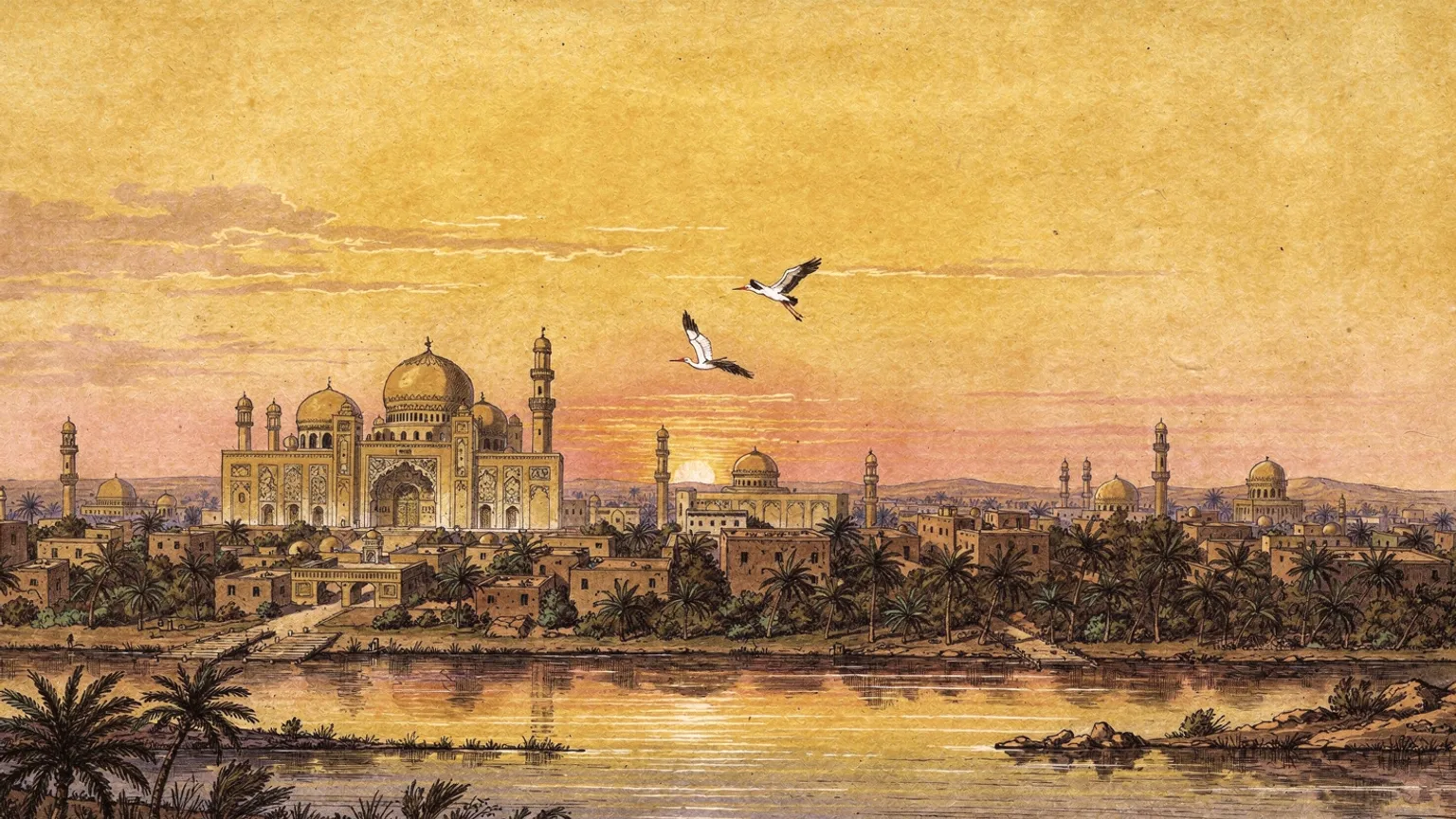
The Story of Caliph Stork
About this story
Baghdad, in the golden age of the caliphs: bored on a lazy afternoon, Caliph Chasid and his grand vizier Mansor buy a mysterious box of powder from a peddler, along with the magic word «Mutabor» that lets them turn into any animal they please — provided they never laugh while transformed. Delighted, they become storks and waddle out among the birds. But a single snort of laughter erases the word from their memory, and the two great men are trapped in feathers, at the mercy of a scheming sorcerer. Wilhelm Hauff, the short-lived master of the German Romantic Kunstmärchen, spins an Arabian-Nights enchantment of wit, terror and wonder that has delighted readers for two centuries.
By the numbers
About the author
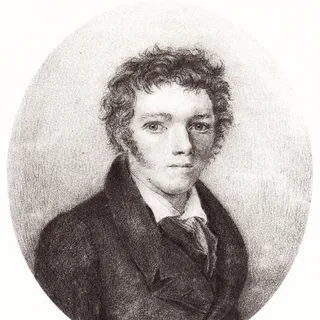
Wilhelm Hauff (1802–1827) was a German poet, novelist and short-story writer, celebrated above all as one of the great masters of the German literary fairy tale (Kunstmärchen). Born in Stuttgart, he worked as a private tutor and, in the last three years of his brief life, poured out an astonishing body of work, including the historical novel «Lichtenstein» and three «Märchen-Almanach» collections whose tales — «Der kleine Muck», «Das kalte Herz», «Der Zwerg Nase» and «Kalif Storch» — remain beloved across the German-speaking world. Blending Oriental splendour with German settings, his stories fuse wit, terror and wonder. He died of typhoid fever in 1827, not yet twenty-five.
Recognition
Hauff is a fine story-teller. He knows how to keep his reader's attention as he unfolds his plots, punctuating the action with passages of dialogue and building up the suspense.
In the realm of children's literature Hauff is a major figure. His source for 'Caliph Stork' was a tale from the German translation of the Arabian Nights by Habicht, von der Hagen and Schall — the Oriental tradition that so captivated early nineteenth-century Germany.
Blending exotic and fantastic motifs with German settings, his tales remain popular in German-speaking countries.
'The Story of Caliph Stork' is a literary fairy tale (Kunstmärchen) by Wilhelm Hauff. It is the first tale in the frame narrative 'The Caravan'.
Practice typing
Type this retelling one piece at a time — your progress is saved as you go.
If you liked this
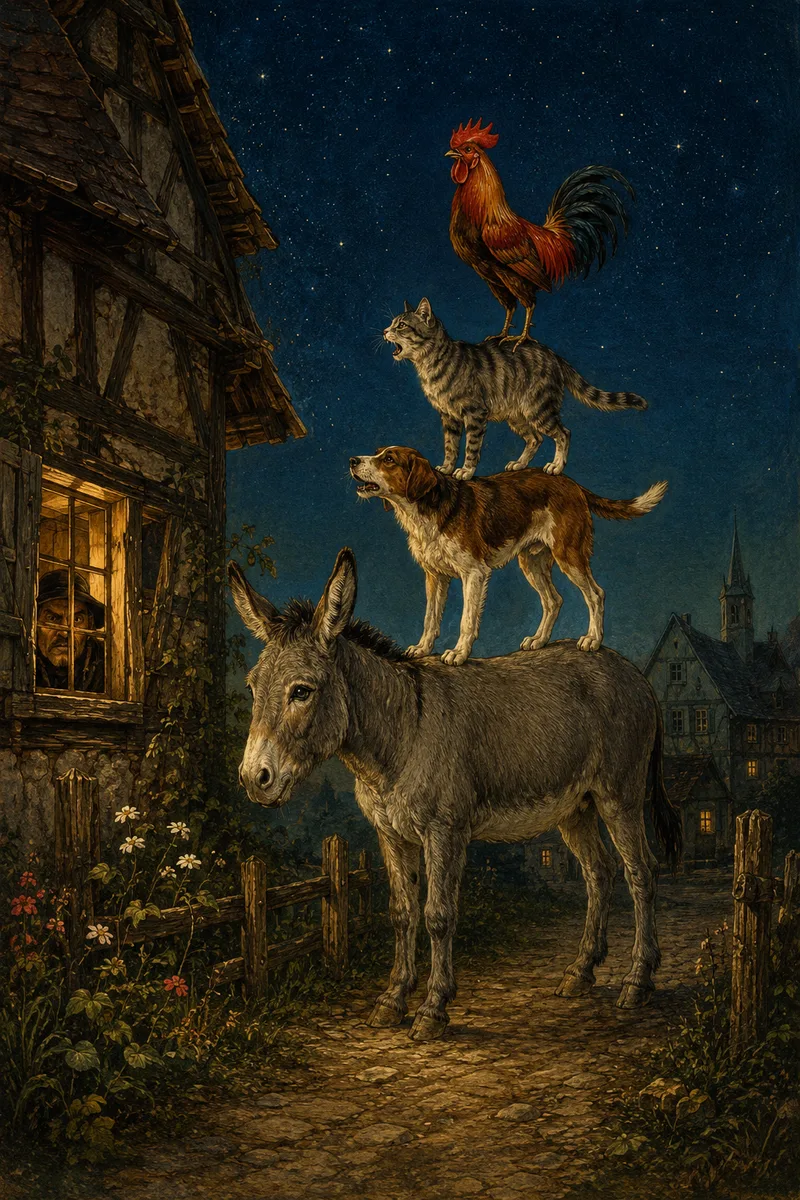
Four worn-out animals — a donkey, a dog, a cat, and a rooster — are each marked for death by the masters they served faithfully for years.
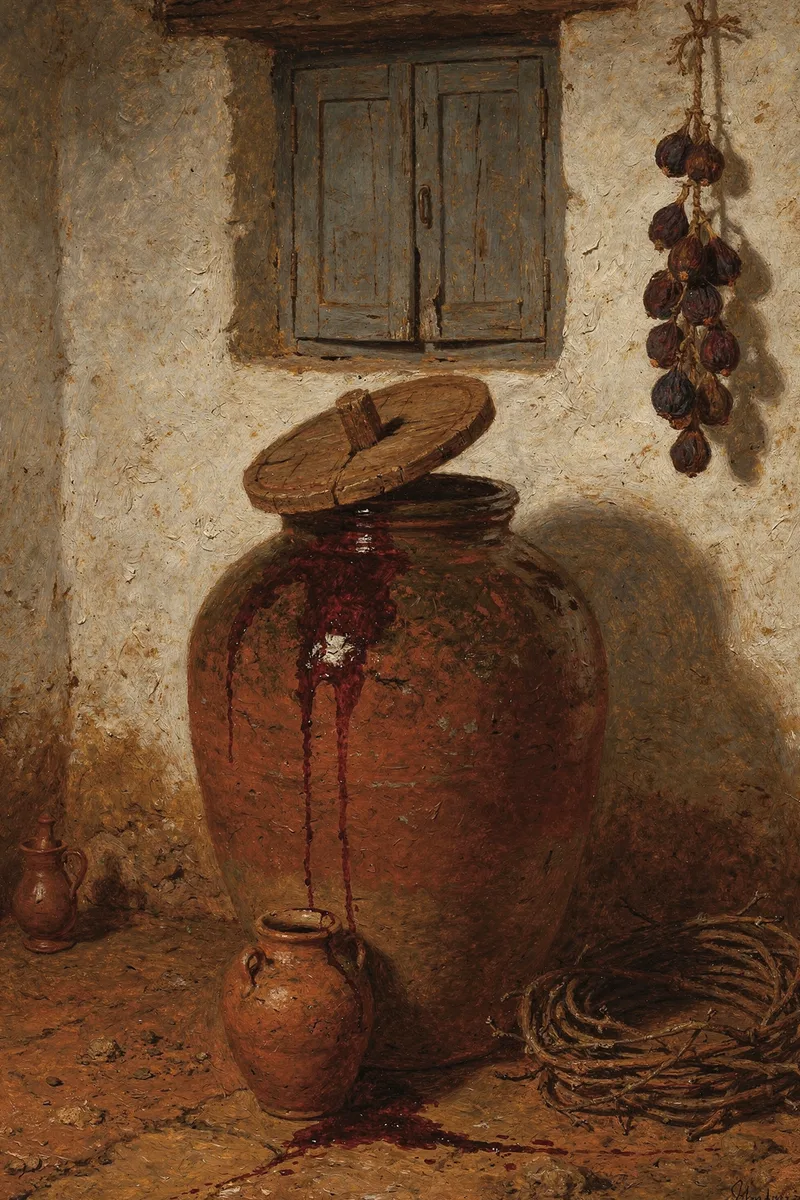
After a bountiful harvest, the poor laborer Canellas pays off every debt and hoards a last treasure: a great jar of ruby wine fermenting in his pantry.
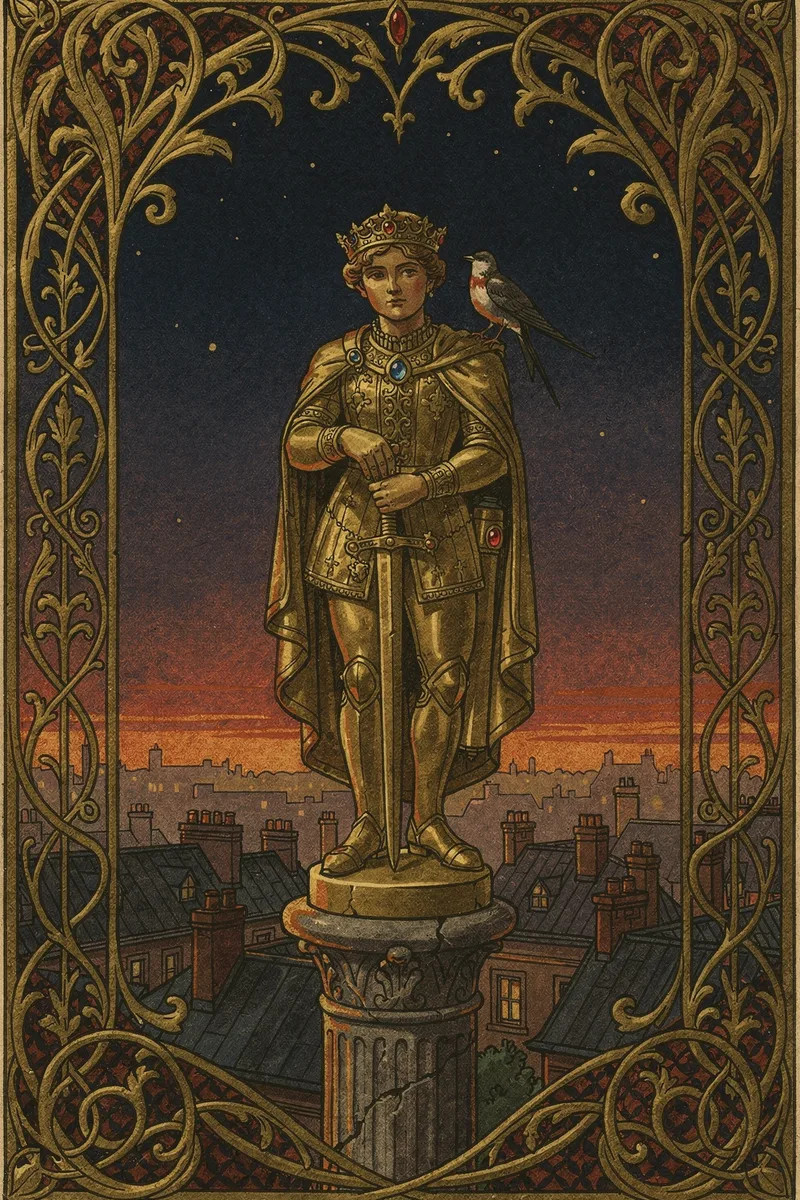
A jewelled statue of the Happy Prince gazes down on his city and weeps at the misery below, so he begs a little Swallow — left behind when his flock flew to Egypt — to strip away his gold and gems and carry them to the suffering poor.
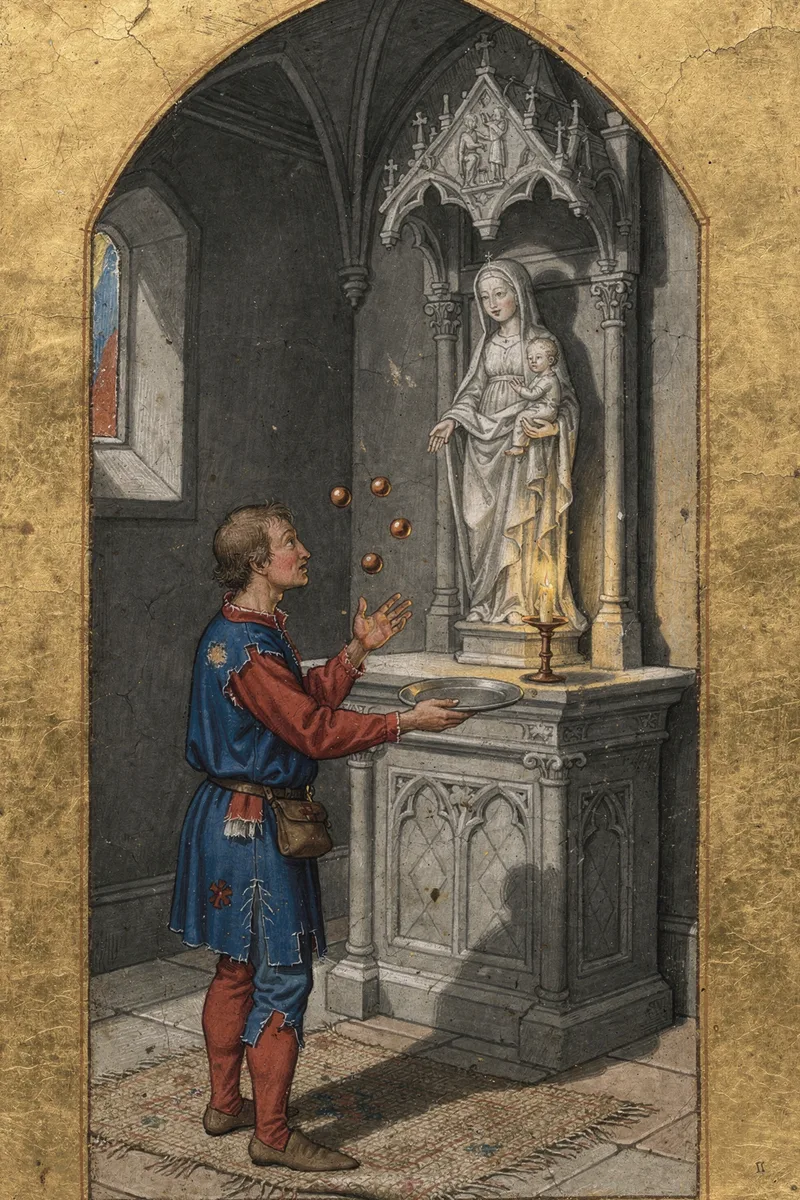
Barnabé is a poor traveling juggler who earns his coins on a threadbare carpet, spinning copper balls and balancing a tin plate on the tip of his nose.