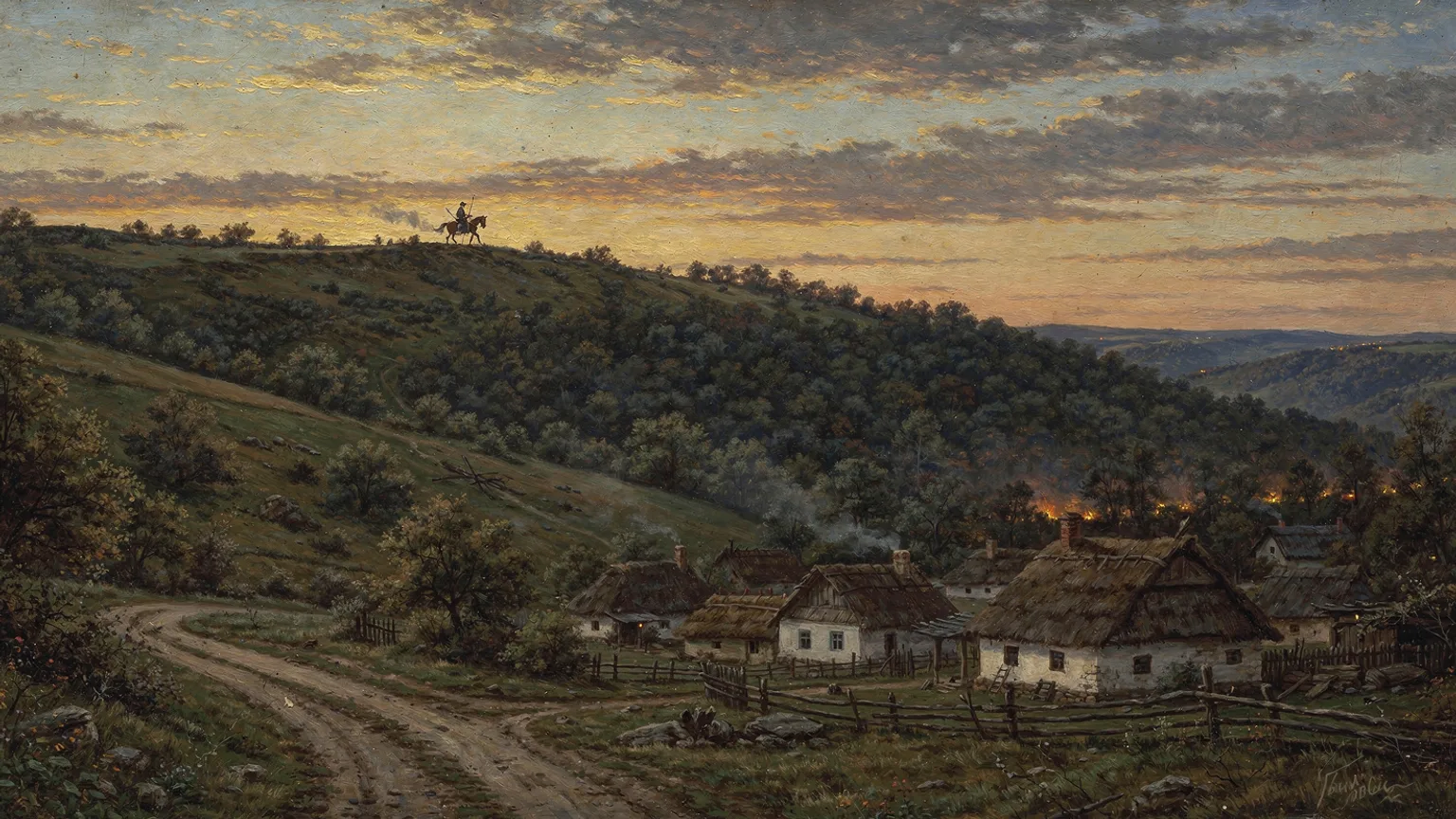
Karmeliuk
About this story
In the forests and villages of Podillia the people still whisper of Karmeliuk — the fearless outlaw who took from the rich and gave to the poor, and whom no prison could hold for long. Marko Vovchok retells his story not as history but as living folk legend: a lyrical, song-like tale of a beloved rebel, the sorrow of those who loved him, and a longing for justice that outlives any single man. Written by the founder of the modern Ukrainian short story, «Karmeliuk» (1865) turns a real people's hero into pure legend.
By the numbers
About the author
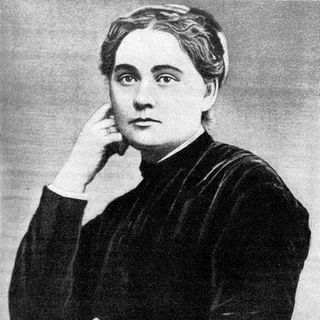
Marko Vovchok (1833–1907) was the pen name of Maria Vilinska, one of the most celebrated women writers of nineteenth-century Ukrainian literature and a pioneer of its realist short story. Her «Folk Stories» (1857), an unflinching portrait of the horrors of serfdom, won the ardent admiration of Taras Shevchenko — who hailed her as a «gentle prophet» — and of Panteleimon Kulish, the writer who first brought them to print. Widely regarded as the founder of the modern Ukrainian short story and of Ukrainian children's literature, she gave «Karmeliuk» (1865) its enduring form as a folk legend.
Recognition
The Lord has sent you to us — a gentle prophet, and an accuser of cruel and insatiable men.
Marko Vovchok has drunk all the sap and fragrance from the flowers of the Ukrainian language.
Her other works continue the tradition of ethnographic romanticism and are typified by strong characters and willful heroes; her prose markedly influenced the development of the Ukrainian short story in the second half of the 19th century.
The best thing in her writings is, without doubt, her language. For all its simplicity and accessibility, it is exceedingly rich in vocabulary and incomparably melodious.
Practice typing
Type this retelling one piece at a time — your progress is saved as you go.
If you liked this
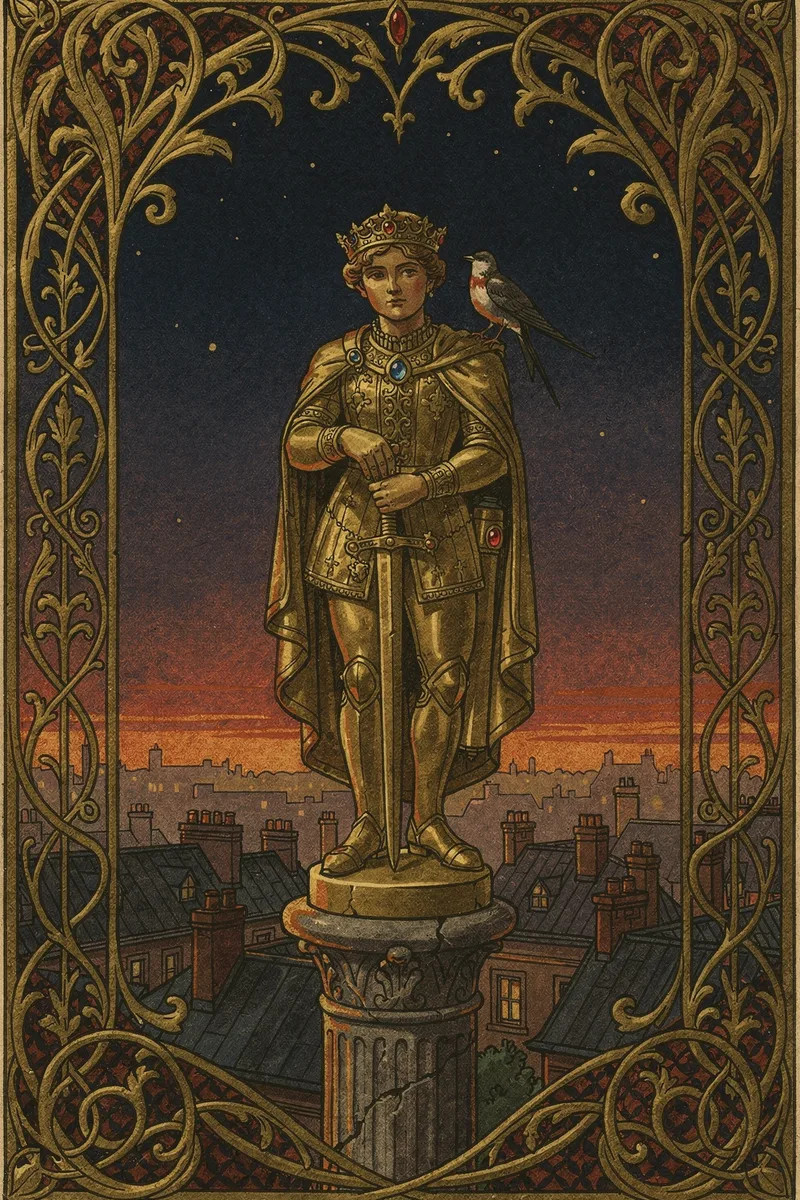
A jewelled statue of the Happy Prince gazes down on his city and weeps at the misery below, so he begs a little Swallow — left behind when his flock flew to Egypt — to strip away his gold and gems and carry them to the suffering poor.
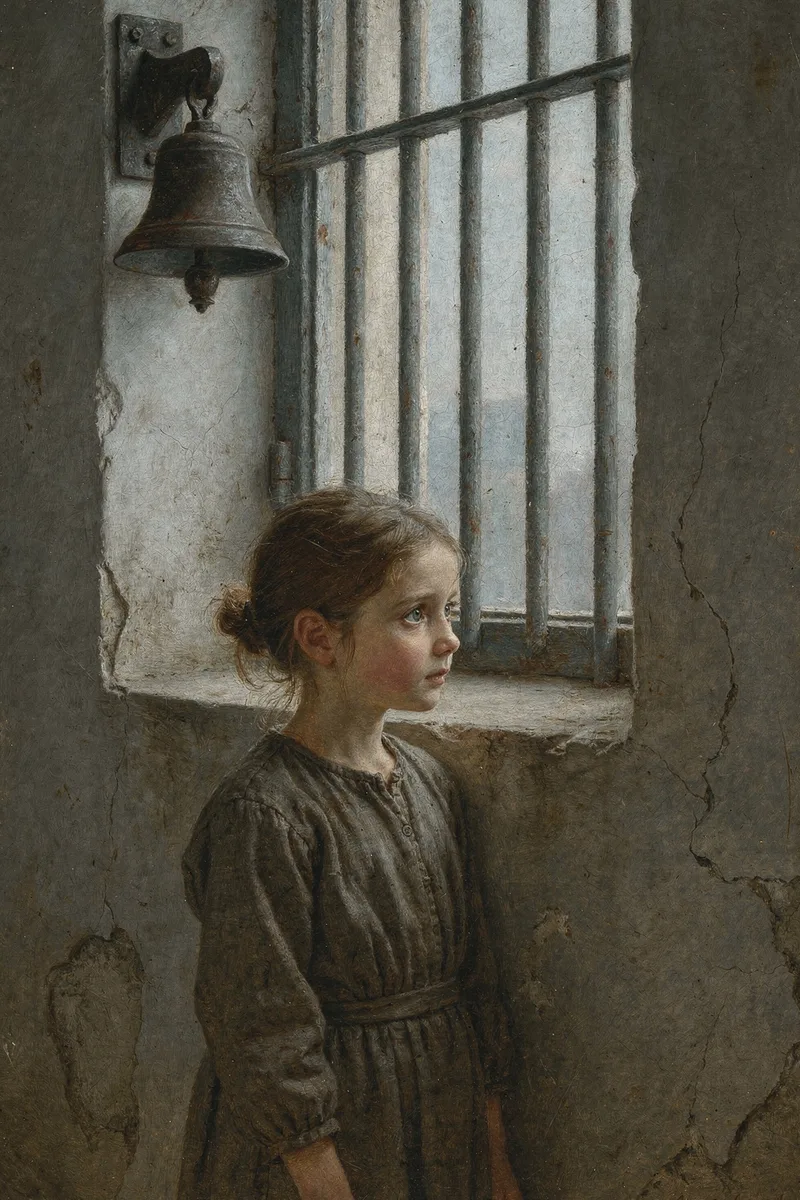
A gifted, songful little village girl is taken into a big-city orphanage-school, where an alien tongue and the merciless clang of the institution's bell close over her like cold water.
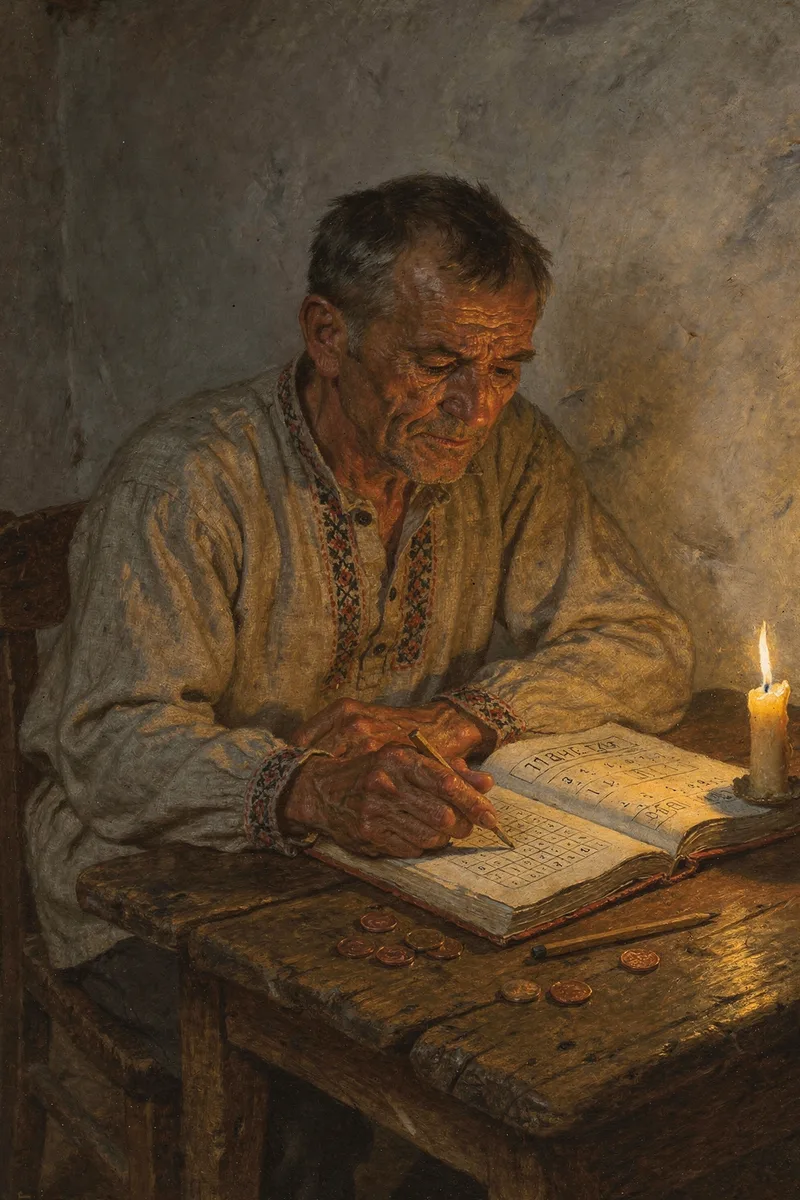
When a village shopkeeper lends the peasants a school arithmetic primer, its tidy word-problems — so many acres to a landowner, so many roubles to the estate — are read aloud by lamplight to a gathering of farmhands.
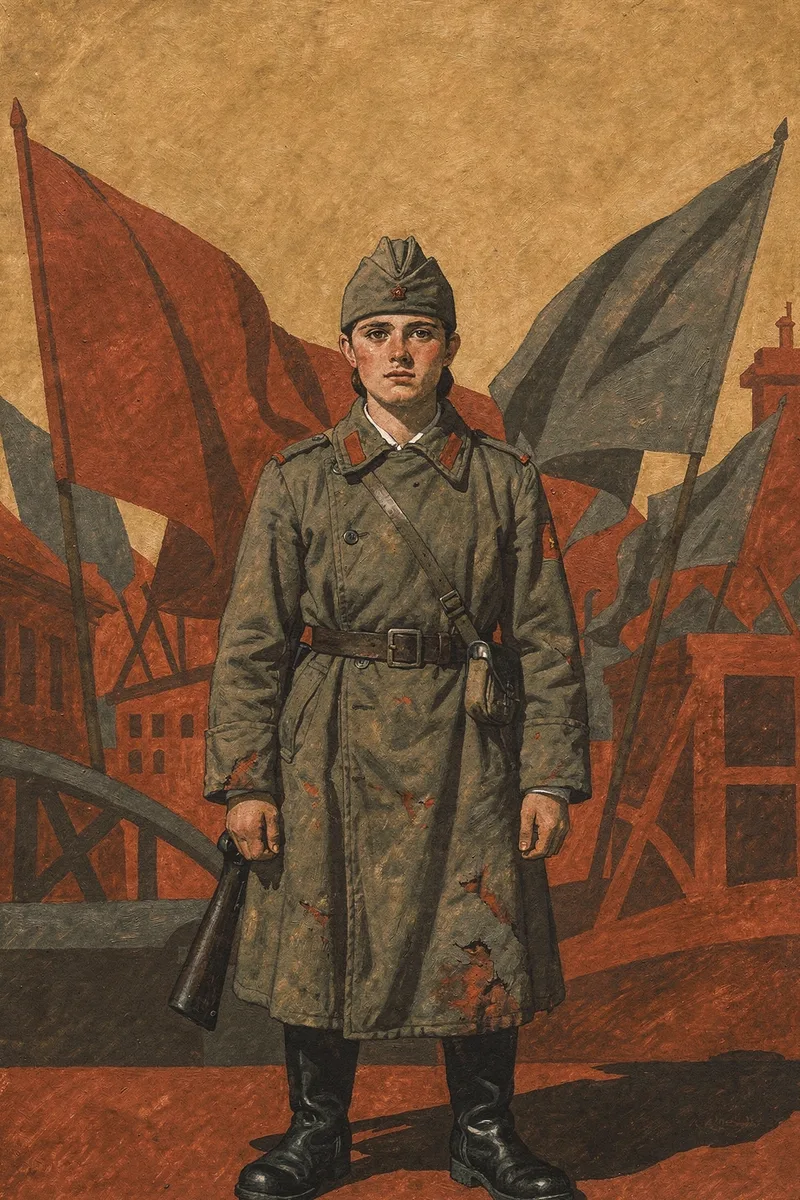
A small, plain woman in boots far too big for her — «Comrade Zhuchok» — tramps the roads of the revolution, tireless and utterly devoted, and the narrator sees in her the comic, touching figure of the fairy-tale «Puss in Boots».