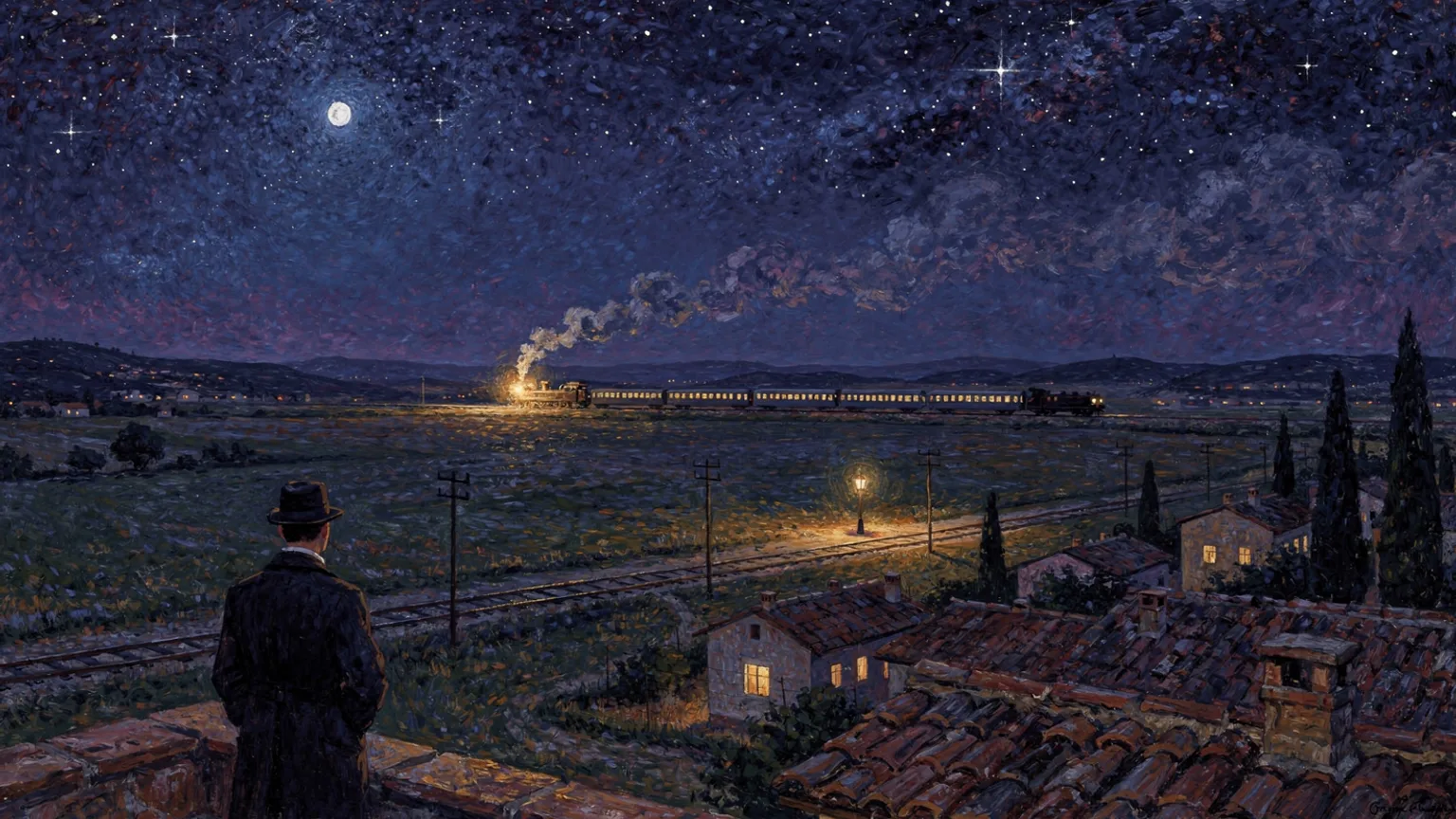
The Train Whistled
About this story
For years the clerk Belluca has been a walking ledger — head bowed over his accounts by day, copying documents by night amid the shrieks of the blind women and grandchildren crammed into his wretched home. Then one night, in the deep silence, he hears a train whistle far off — and remembers, all at once, that the world still exists, immense and shining, beyond his misery. His colleagues call it madness; only the narrator understands. In this jewel of the «Novelle per un anno», Nobel laureate Luigi Pirandello distills his whole vision — life against the fixed «forms» that imprison us — into a single blazing, heartbreaking epiphany. A perfect introduction to the master of modern Italian fiction.
By the numbers
About the author
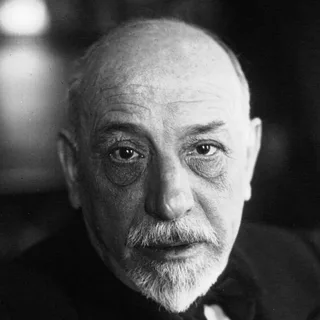
Luigi Pirandello (1867–1936) was a Sicilian writer, playwright, and short-story author, awarded the Nobel Prize in Literature in 1936 and widely regarded as one of the founders of modernist theatre and narrative. His best-known works include the plays «Sei personaggi in cerca d'autore» (Six Characters in Search of an Author) and «Enrico IV», and the novels «Il fu Mattia Pascal» and «Uno, nessuno e centomila», all built on his signature themes of unstable identity, madness, and the conflict between life's flux and the fixed «forms» society imposes. Alongside these he composed a vast cycle of short fiction, «Novelle per un anno», conceived as one story for every day of the year. «Il treno ha fischiato» (1914) belongs to this cycle and is among his most celebrated and anthologized novelle, a compact showcase of his theory of «umorismo» and of the life-versus-form dilemma dramatized through the clerk Belluca.
Recognition
The cause that triggered the breakdown of the alienating mechanism of social «form» is a kind of «epiphany», as Renato Barilli called it: the momentary revelation of a hidden meaning of reality, unknown until then. And the epiphany is set off by a trivial fact, insignificant in itself — the whistle of a train in the silence of the night.
Stories for a Year is nothing short of an attempt to encapsulate the indeterminate, chaotic, contradictory, and humorous experience of modern life itself.
The ultimate destination has recovered its origins: the poetry of creatures, of the solitary man.
Reality provokes us, works upon us, urges us on, hints to us at a Mystery that lies beyond the sensible and the visible.
Practice typing
Type this retelling one piece at a time — your progress is saved as you go.
If you liked this
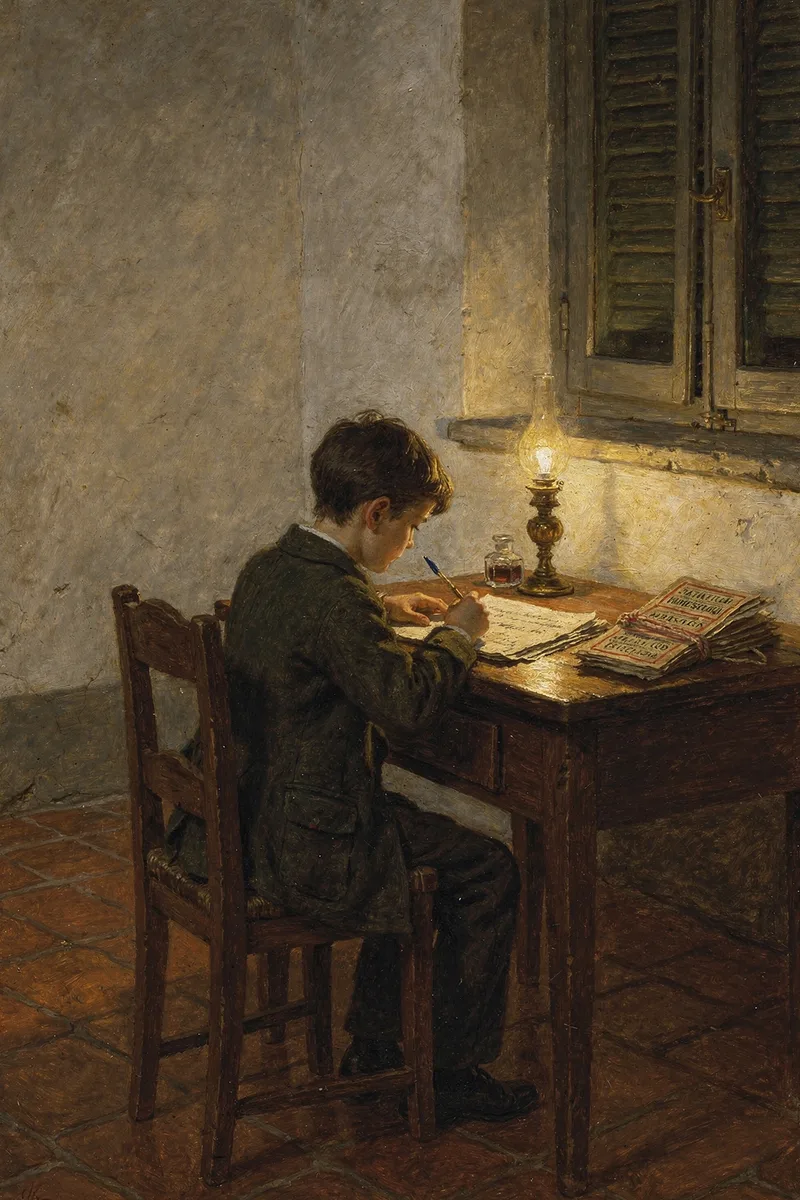
Twelve-year-old Giulio watches his ageing father copy addresses deep into the night for a few extra lire — and privately resolves to help.
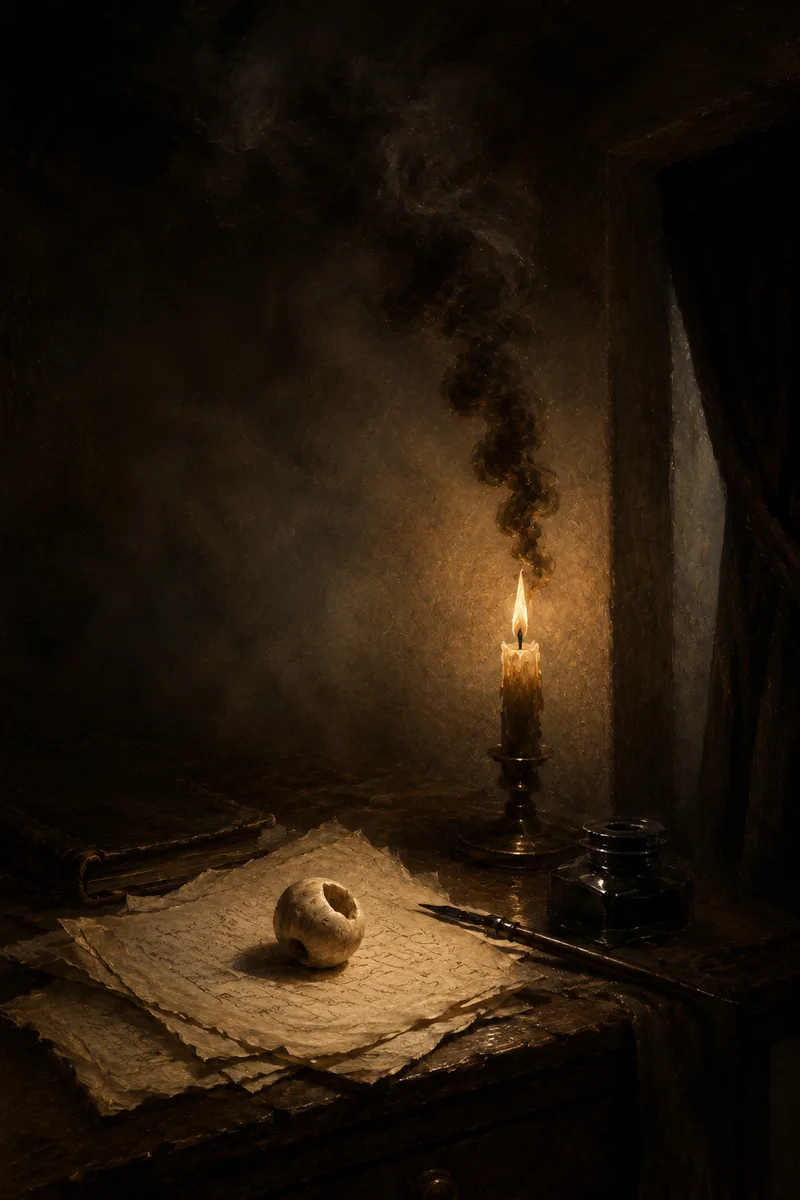
A student accepts a handful of human bones from a friend who teaches anatomy at Pavia, and for eleven years one of them — a small, polished kneecap — holds down the papers on his desk.
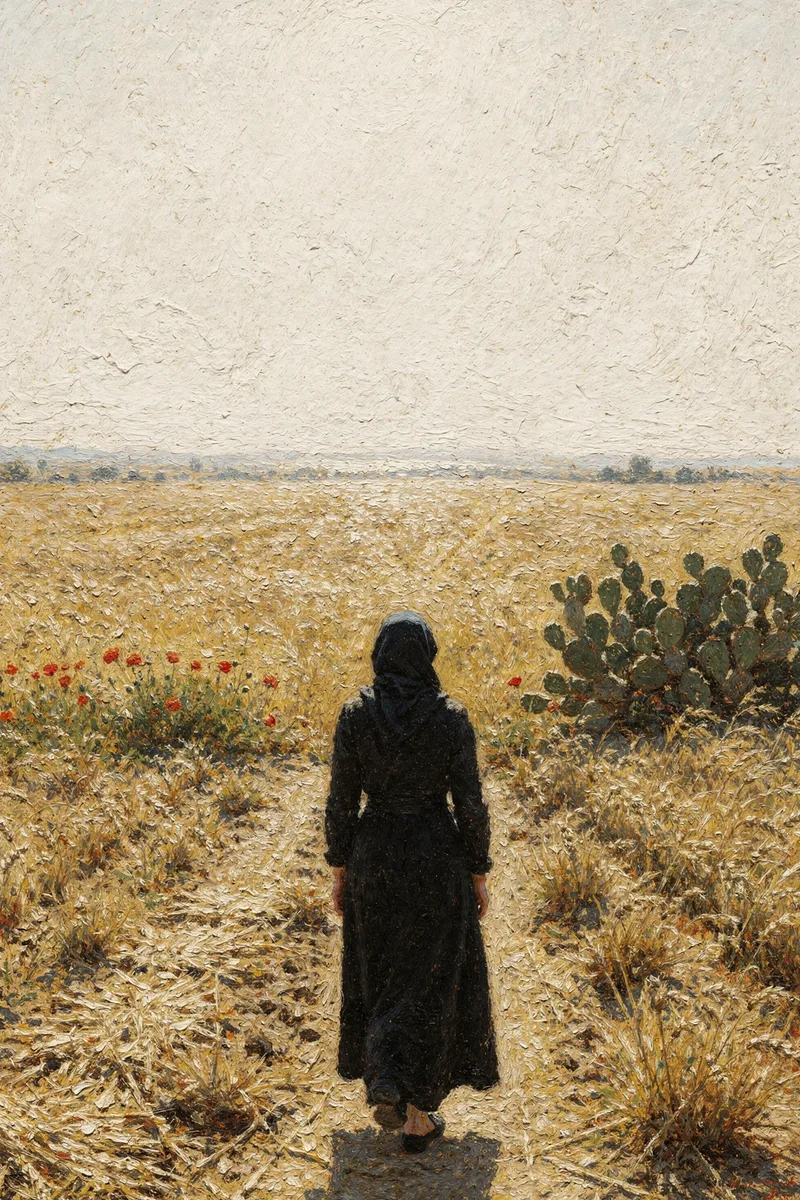
A tall, gaunt woman with lips made to devour whoever looks at her, she is known across her Sicilian village only as the She-Wolf — because nothing on earth can ever sate her.

On the eve of a family wedding, an ailing old man is granted one night's freedom from his doctor's strict regime — and pours it, glass by glass, into a rebellion against age, illness and his own tenderness.