The Forever Shirt
About this story
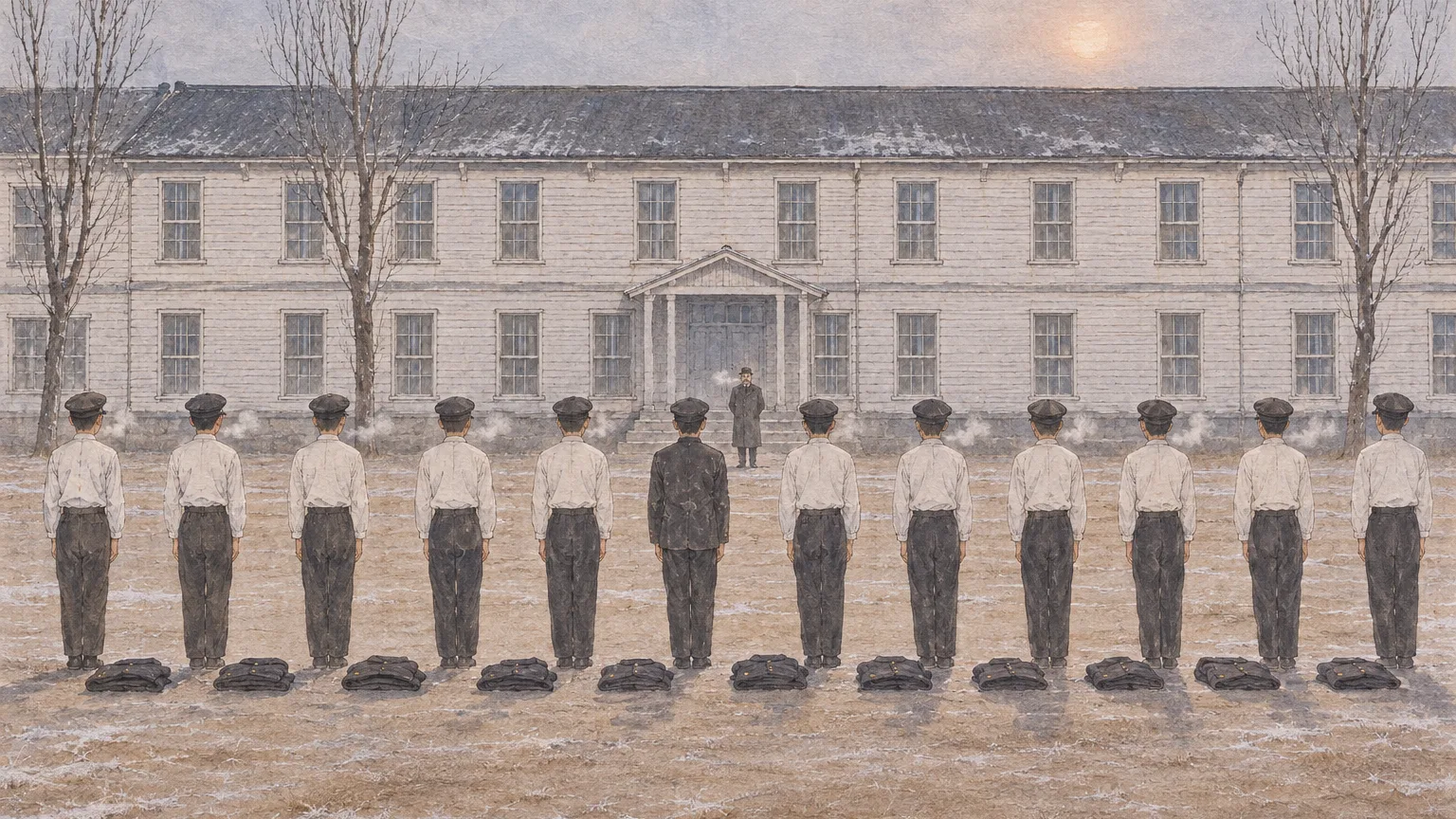
On the coldest morning of winter, the gym teacher, an unbending former soldier, orders the first-years down to their shirts. One boy keeps his jacket on: Han Chang-nam, the cheerful joker his classmates call “the Aviator.” Then he asks whether a “forever shirt” will do. Underneath is bare skin. He walked twenty li to school like that, a burst shoe lashed together with straw rope, and the next day he turns up in even less. Only when the teacher demands to know where his clothes keep going does the boy explain. Bang Jeong-hwan, widely regarded as the father of modern Korean children's literature, published it in March 1927, as Monggyeoncho, in Eorini, the magazine he had launched four years earlier. He also led the campaign behind Korea's Children's Day.
By the numbers
About the author
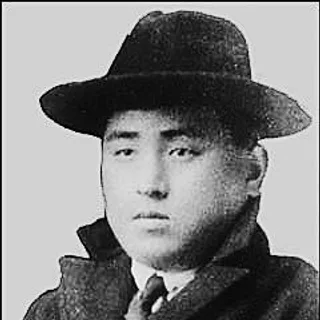
Bang Jeong-hwan (1899–1931), also known by his pen name Sopa, was a Korean writer, editor and children's-rights activist, widely regarded as the father of modern Korean children's literature. He raised the plain word eorini (“young one”) into a respectful name for children, led the movement that created Korea's Children's Day, helped found the children's culture society Saekdonghoe, and in 1923 launched Eorini, the magazine that became the centre of Korean writing for the young. His collection of adapted world fairy tales, Sarang-ui seonmul (The Gift of Love, 1922), and his detective serial Chilchildan-ui bimil (The Secret of the Seven-Seven Gang) are landmarks of early Korean children's books. «Mannyeon syasseu» (The Forever Shirt) first appeared in Eorini in March 1927 under his pen name Monggyeoncho, and publishers present it as his representative work and a classic of Korean children's literature.
Recognition
Has there ever been a children's story that pleaded so fervently for how teacher and student ought to meet, and for what learning means?
“The Forever Shirt” is not a record of the past. It is a question that holds up a mirror to who we are now.
Pang's articulation of the child-heart became the shared premise upon which subsequent writers and intellectuals—whether leftist, imperialist, or nationalist—crafted their works for young readers.
He is therefore a figure who deserves to be called, in this century, our nation's man of high purpose, a pioneering journalist, an educator and a man of letters.
Practice typing
Type this retelling one piece at a time — your progress is saved as you go.
If you liked this
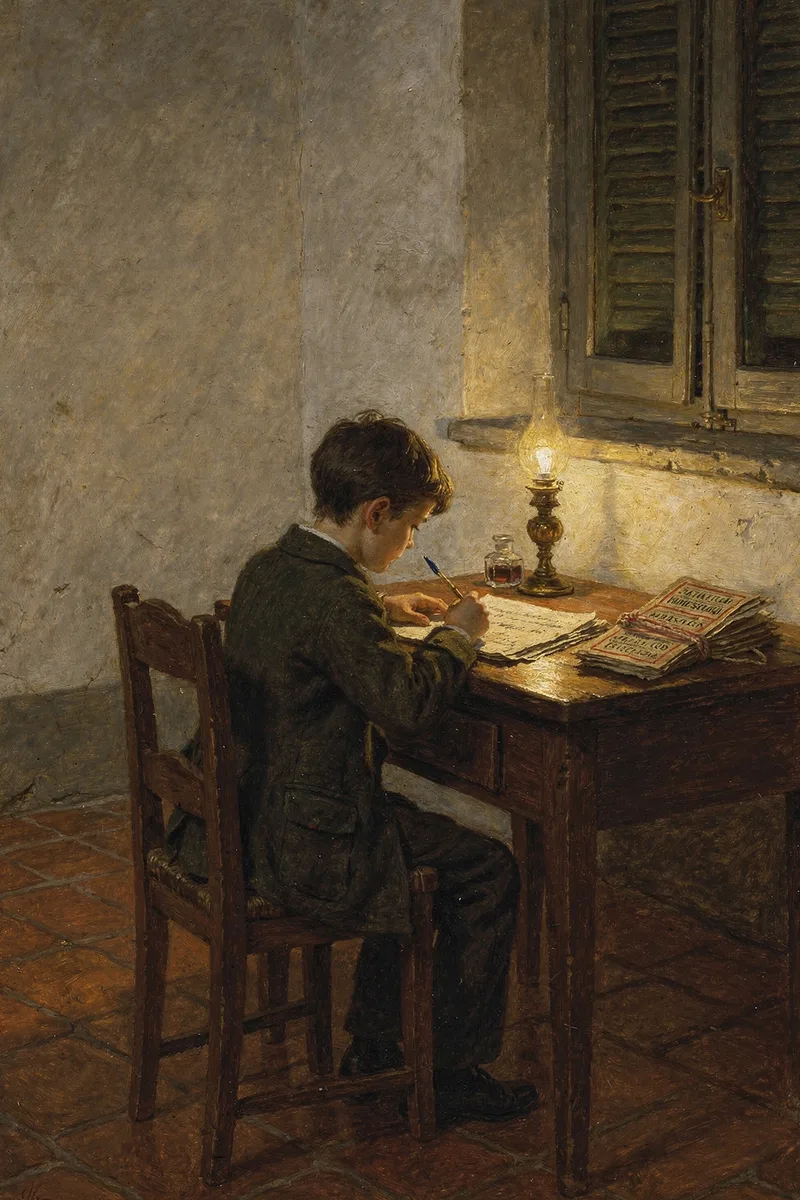
Twelve-year-old Giulio watches his ageing father copy addresses deep into the night for a few extra lire — and privately resolves to help.
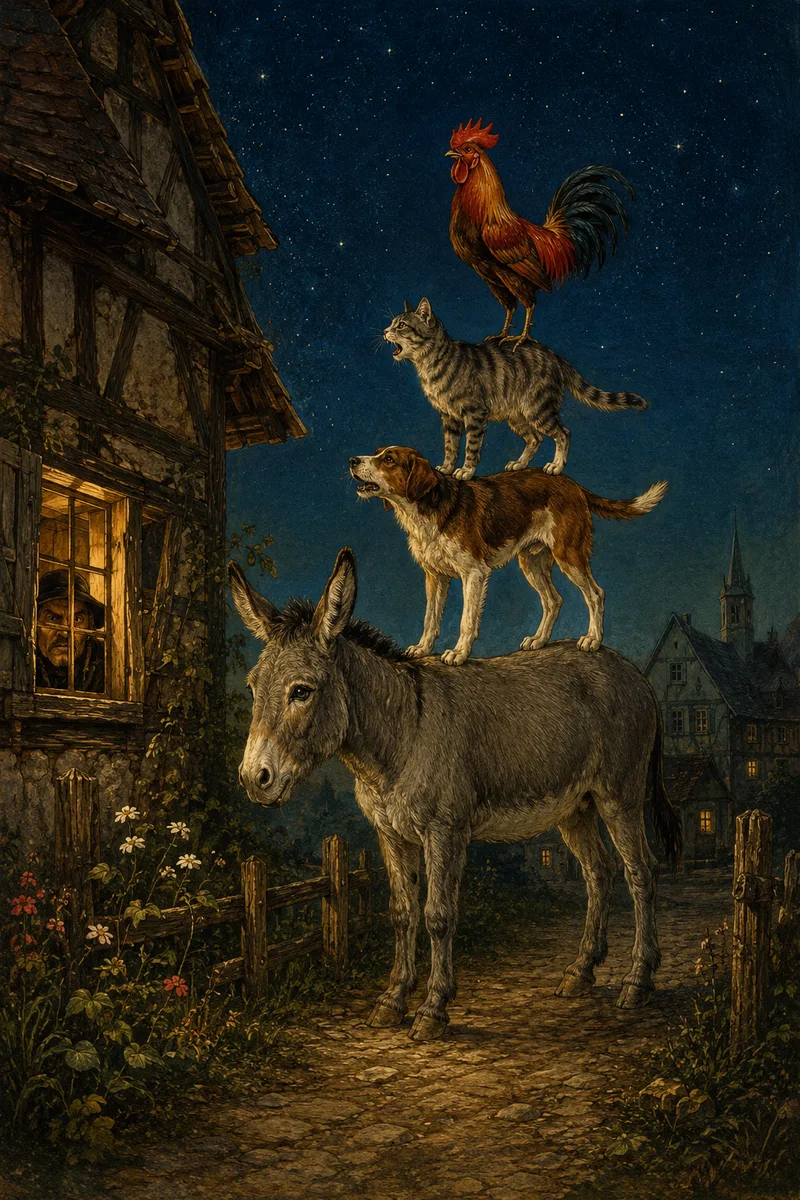
Four worn-out animals — a donkey, a dog, a cat, and a rooster — are each marked for death by the masters they served faithfully for years.
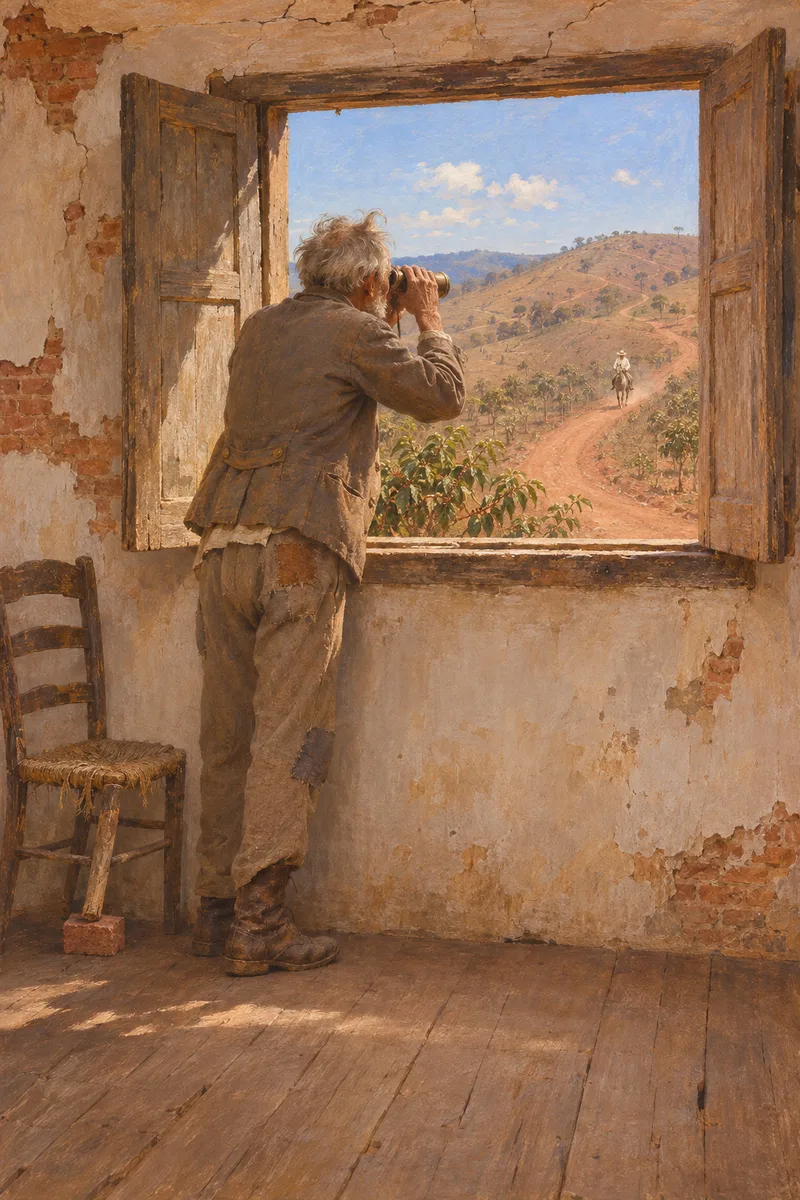
The Espigão coffee farm has already ruined three owners, and the fourth, David Moreira, is sinking under mortgages.
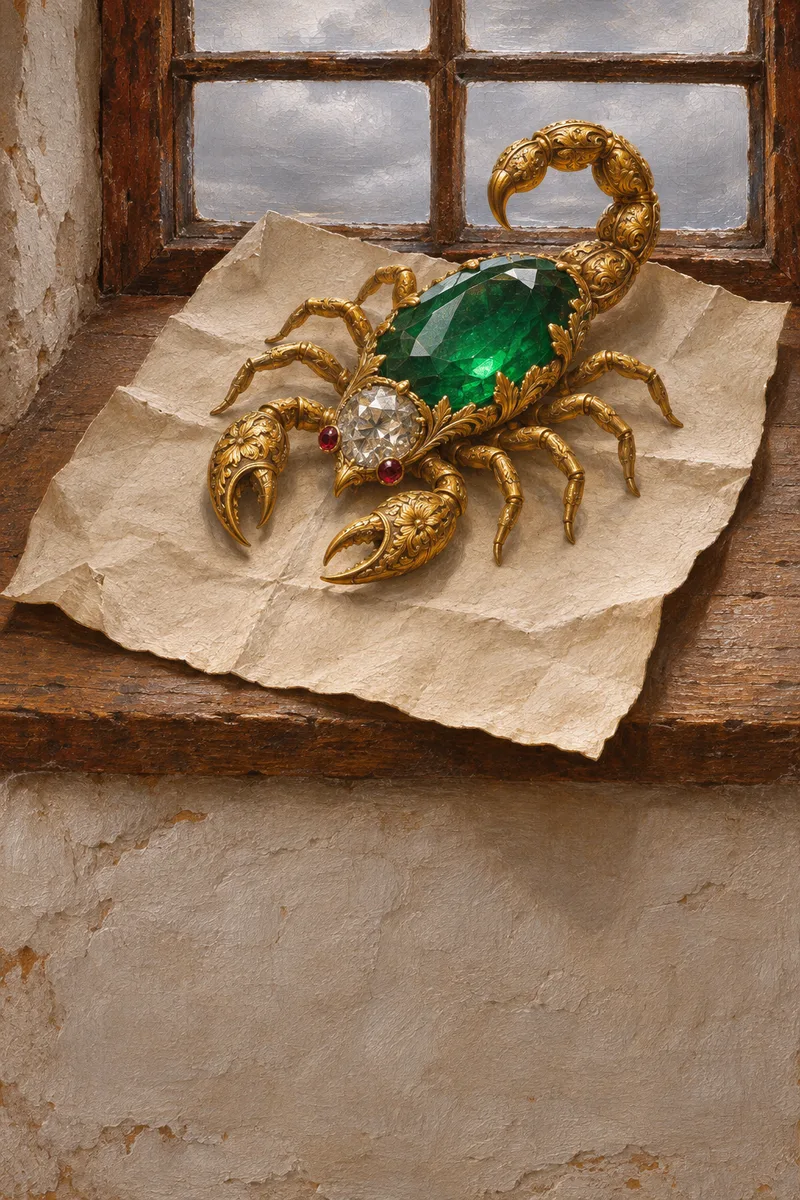
A ragged peddler named Jeromo knocks at the bare cell of a Franciscan lay brother in colonial Lima and asks to borrow five hundred duros.