Fray Gómez's Scorpion
About this story
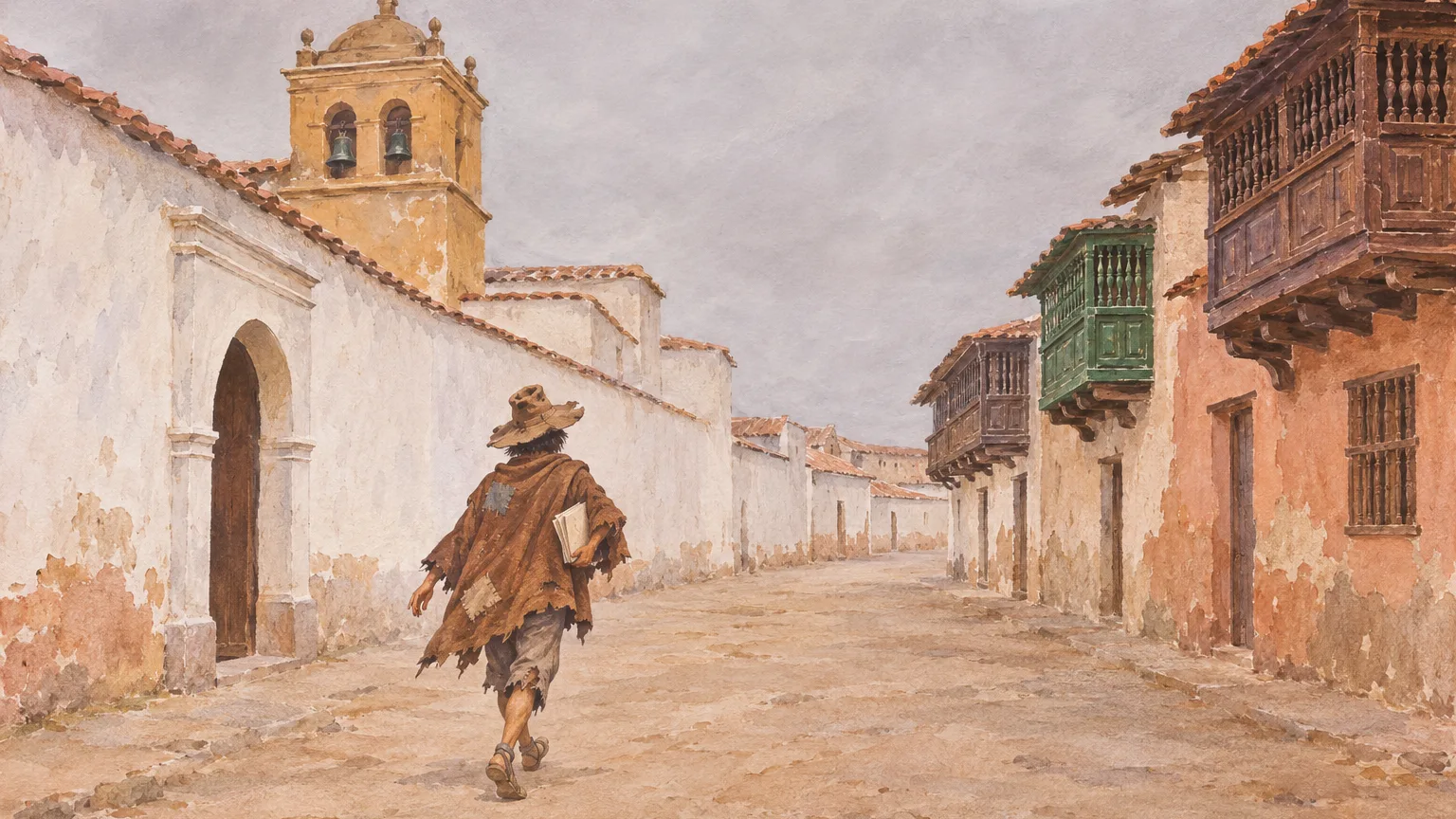
A ragged peddler named Jeromo knocks at the bare cell of a Franciscan lay brother in colonial Lima and asks to borrow five hundred duros. Fray Gómez sleeps on planks with a stone for a pillow. So he plucks a scorpion off the window frame, wraps it in a page torn from an old book, and tells Jeromo to pawn it. At the moneylender's the paper opens on an emerald brooch with a diamond head and ruby eyes, and the lender is already counting on a default. Ricardo Palma invented the tradición, the comic Peruvian tale where chronicle meets gossip, and this one, printed in the review El Ateneo de Lima in 1887, is among the most quoted he wrote. It also explains an old Lima saying about anything priceless.
By the numbers
About the author
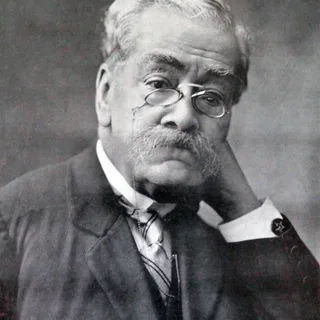
Ricardo Palma (1833–1919) was a Peruvian writer, journalist and librarian, and the inventor of the tradición: a short, witty tale that mixes colonial chronicle, gossip and invention, told in a voice thick with proverbs and the street speech of Lima. His Tradiciones peruanas, published in successive series from 1872 to 1910, made him one of the most widely read writers in Spanish America, and their humour found imitators across the continent. He also wrote Anales de la Inquisición de Lima (1863) and the word list Papeletas lexicográficas, was a corresponding member of the Royal Spanish Academy, and after the War of the Pacific rebuilt the looted National Library of Peru, which he directed until 1912. “El alacrán de fray Gómez” first appeared in the review El Ateneo de Lima in 1887 and was collected in Ropa vieja, the seventh series, in 1889; scholars count it among the best known and most often cited of his tradiciones.
Recognition
The tradición, grown outside Lima and by any pen but Palma's, does not take well: it has little fragrance and looks short of colour.
None of his imitators ever quite caught the trick of style which made his work popular in all the periodicals of Spanish America for thirty years. The inimitable was probably the dash of Peruvian wit.
… the miracle of the scorpion makes the poetic a creed and posits the possibility of wonder and enthusiasm as ways of reading the nineteenth-century world.
… that style, full of sparkle and mischief, which always grazes men and manners without cutting to the bone …
Practice typing
Type this retelling one piece at a time — your progress is saved as you go.
If you liked this
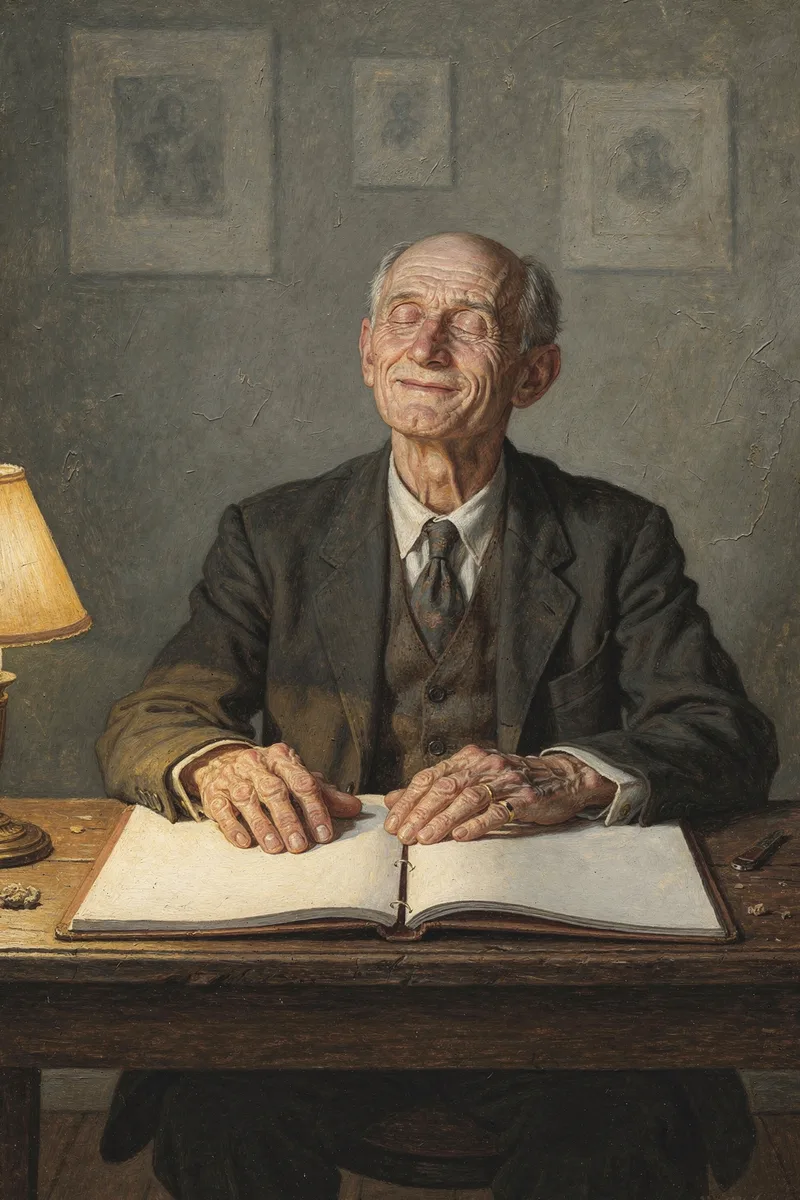
An old art dealer, his trade withered by the great German inflation, travels to a quiet provincial town to call on one of his oldest customers — a blind, retired collector who spent sixty years amassing a priceless hoard of prints and engravings.
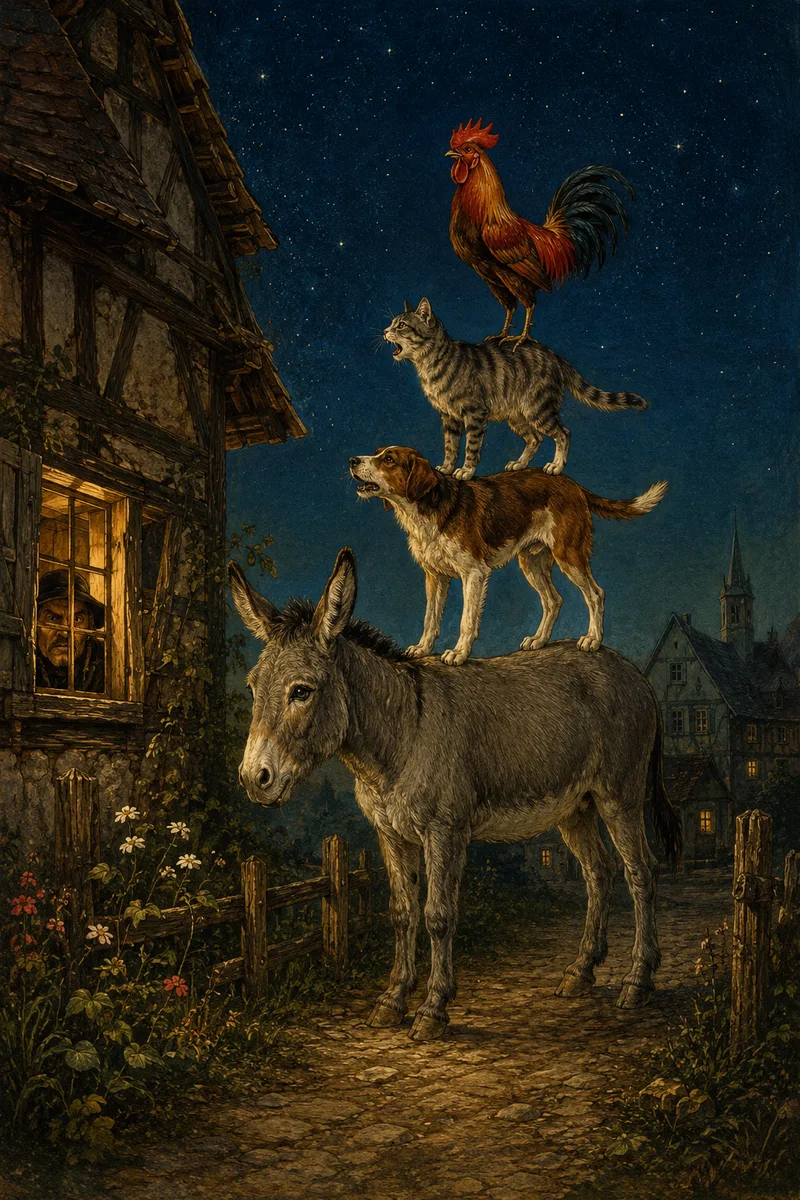
Four worn-out animals — a donkey, a dog, a cat, and a rooster — are each marked for death by the masters they served faithfully for years.
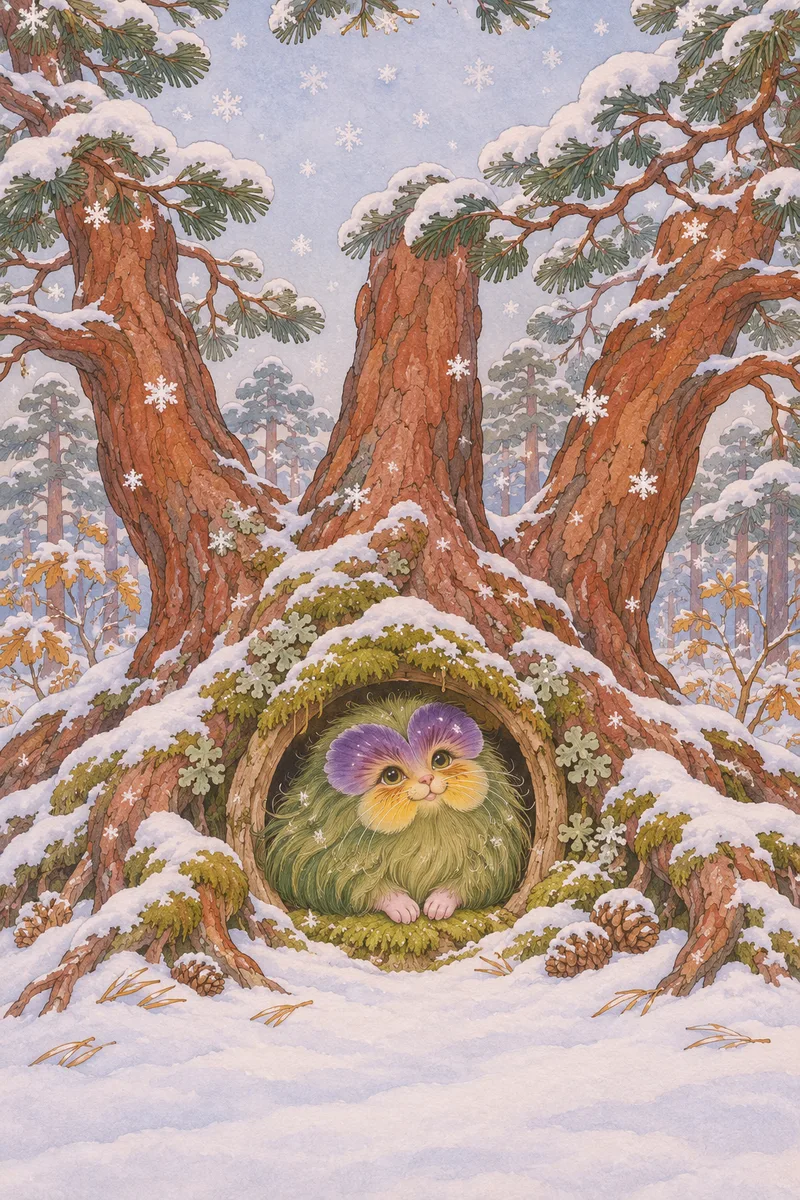
Mokhovynka is the youngest of the forest Khukhas: a kitten-sized spirit with a face like a pansy and fur that turns green on moss, blue by a stream and white on snow.

On the coldest morning of winter, the gym teacher, an unbending former soldier, orders the first-years down to their shirts.