The Invisible Collection
About this story
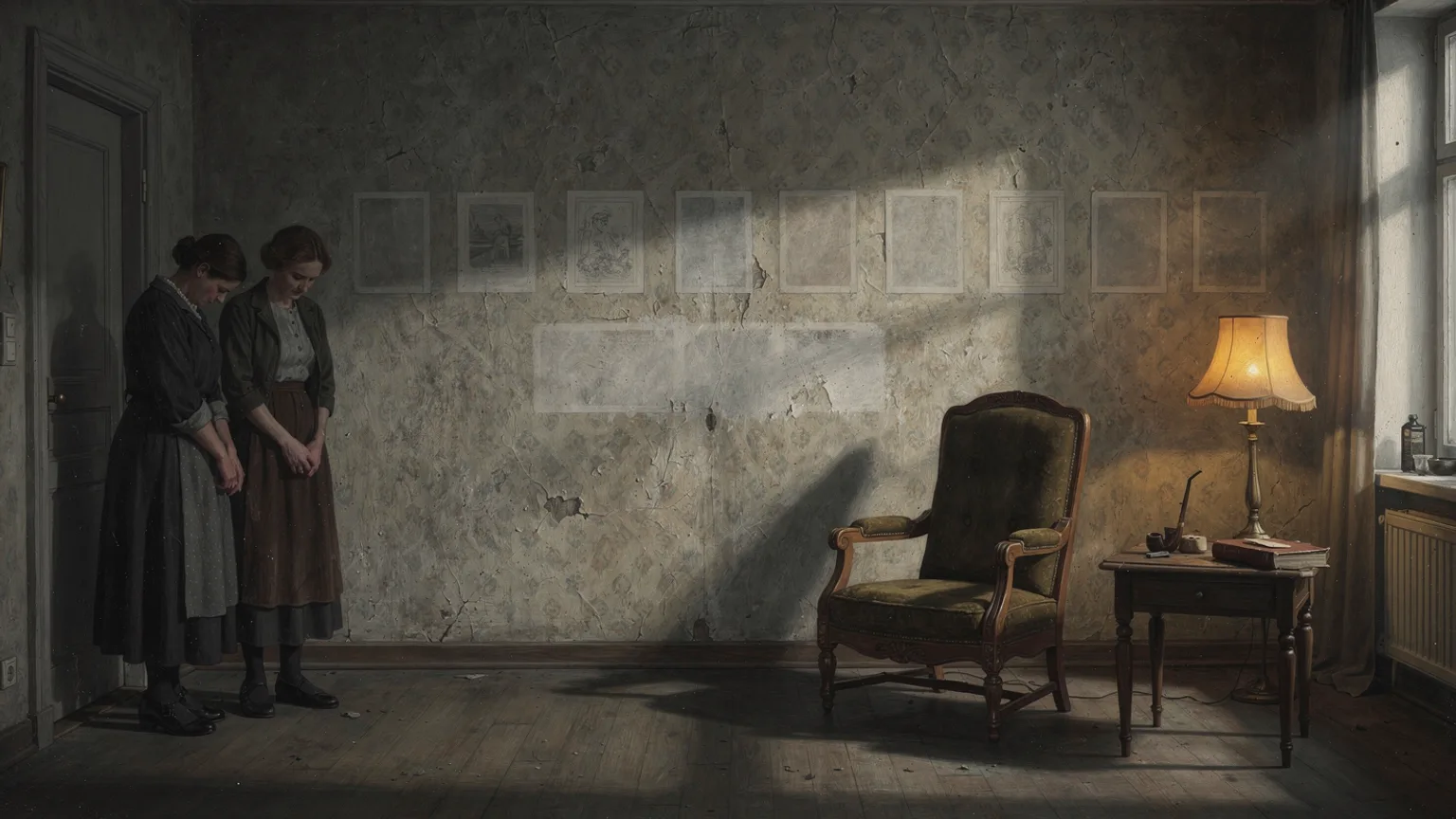
An old art dealer, his trade withered by the great German inflation, travels to a quiet provincial town to call on one of his oldest customers — a blind, retired collector who spent sixty years amassing a priceless hoard of prints and engravings. But the old man's wife and daughter meet him with a desperate secret: to survive the hunger years they have sold off every last piece, one by one, filling the treasured portfolios with blank sheets that the blind collector still 'sees' and adores. Drawn into their heartbreaking deception, the dealer watches the old man display his vanished treasures with radiant, unseeing joy. Stefan Zweig's 1925 novella is an incandescent, wrenching parable of illusion, dignity, and the things love must hide.
By the numbers
About the author
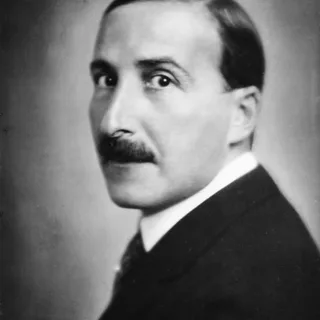
Stefan Zweig (1881–1942) was an Austrian writer, born into a Jewish family in Vienna, who at the height of his career in the 1920s and 1930s was one of the most widely translated and popular authors in the world. He is best remembered as a master of the novella, prized for his vivid style and acute psychological insight, in works such as «Letter from an Unknown Woman», «Twenty-Four Hours in the Life of a Woman», and «The Royal Game». Driven into exile by the Nazis in 1934, he moved to England, then the United States, and finally Brazil, where he and his wife took their own lives in 1942.
Recognition
At the height of his literary career in the 1920s and 1930s, Zweig was one of the most widely translated and popular writers in the world.
The story «The Invisible Collection» was first published in 1925.
Zweig is best known for his novellas, notably «The Royal Game», «Amok», and «Letter from an Unknown Woman».
Practice typing
Type this retelling one piece at a time — your progress is saved as you go.
If you liked this
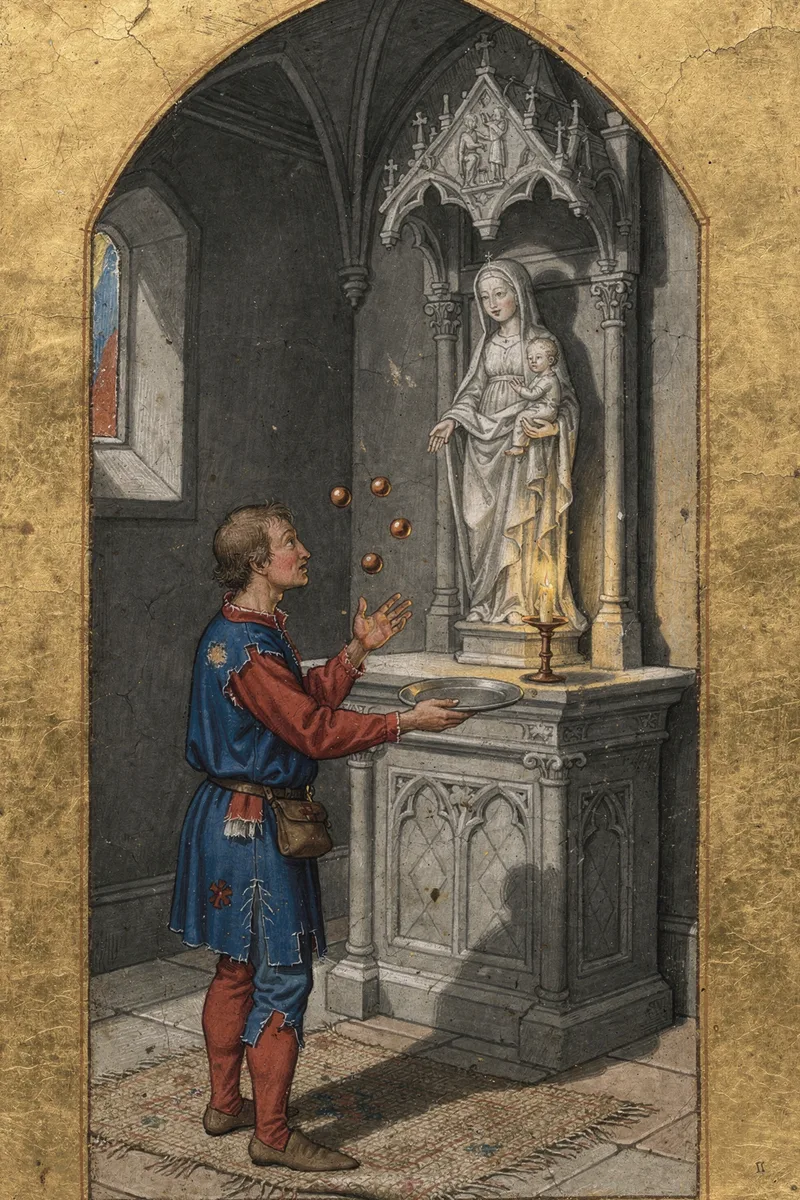
Barnabé is a poor traveling juggler who earns his coins on a threadbare carpet, spinning copper balls and balancing a tin plate on the tip of his nose.
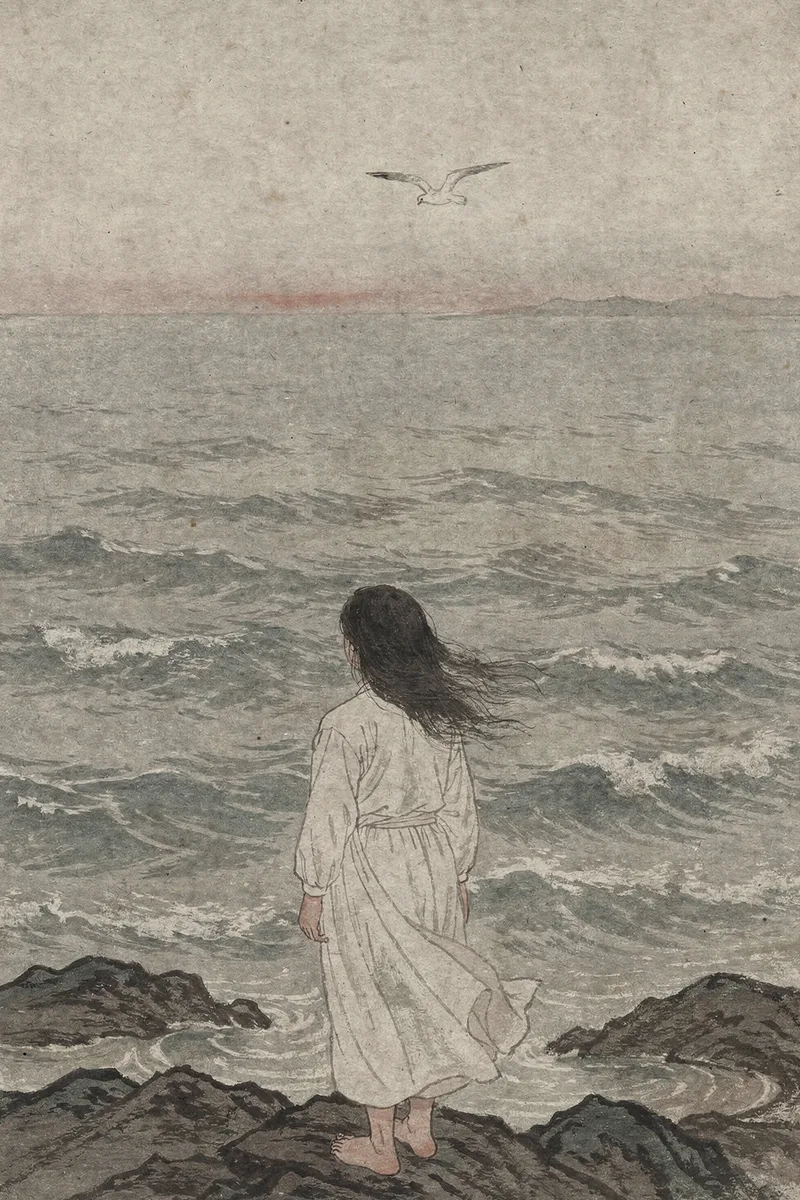
On a windswept island off Korea’s northern coast, a mute woman the villagers call Adada moves through a world that measures every person by the money they can grasp.
Munich is shining under a silk-blue June sky, and the crowd outside Blüthenzweig’s art shop keeps drifting back to a photograph in the window: a Madonna with bare shoulders and a heavy, sensual gaze, painted, the gossip goes, from the artist’s sweetheart, a little milliner.
A hunger artist — once the marvel of his age, watched by whole cities as he fasted for forty days in a straw-strewn cage — finds the world's appetite for his art slowly dying away.