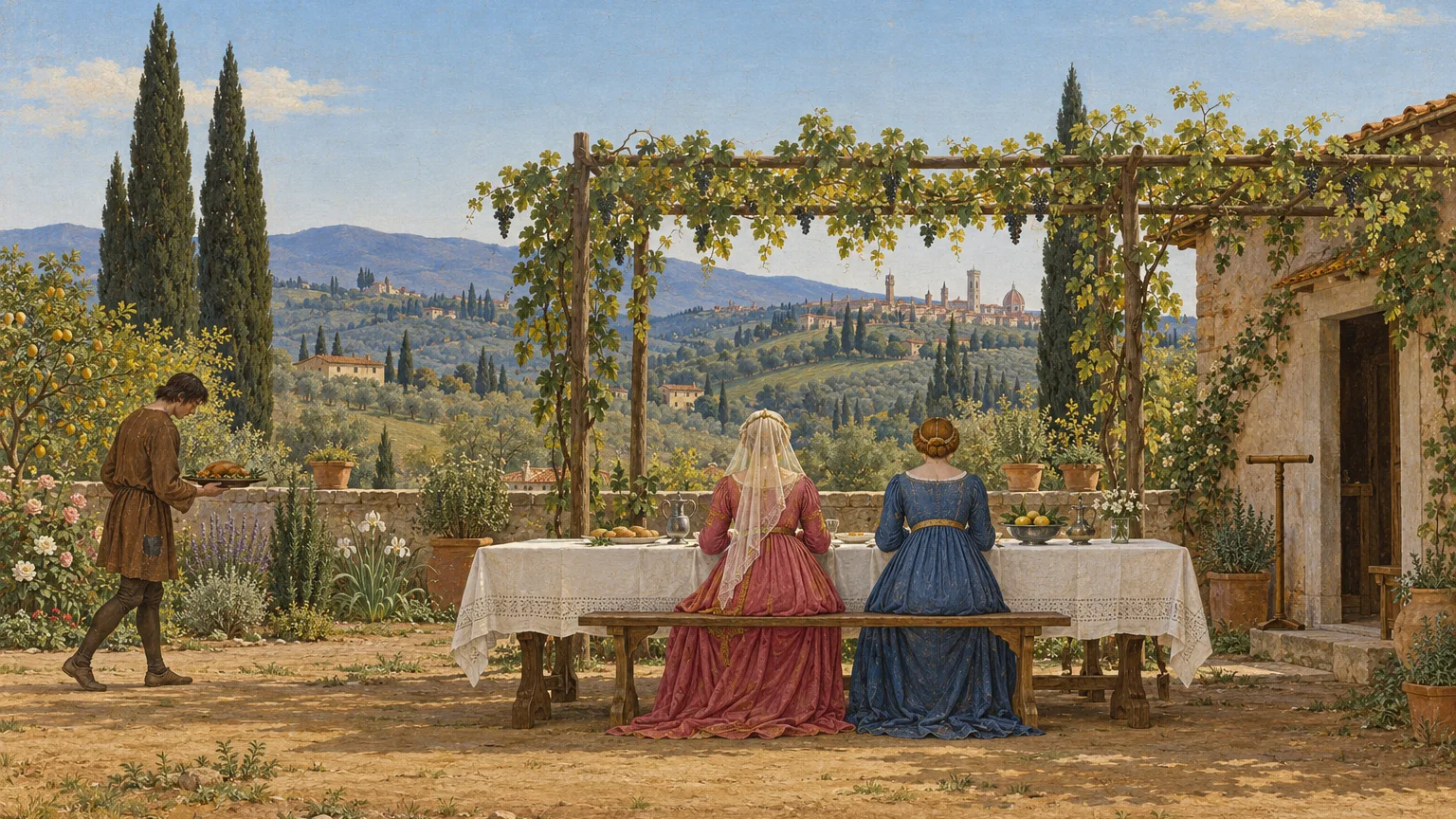
Federigo’s Falcon
About this story
Federigo degli Alberighi burns through a fortune courting a Florentine lady who never gives him a glance. All he has left is a scrap of farmland at Campi and one of the finest falcons in the world. Years later Monna Giovanna is a widow, her only son lies ill, and the boy wants one thing: that bird. So she comes to Federigo’s door to ask for the one treasure he has left, and announces she will stay to dine. He doesn’t know why she is there, and he has nothing in the house to feed her. Giovanni Boccaccio set the tale on the Fifth Day of the Decameron, finished around 1353. William Hazlitt called it divine, and Paul Heyse built his theory of the German novella on this one bird.
By the numbers
About the author
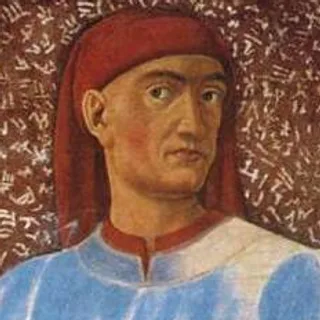
Giovanni Boccaccio (1313–1375) was an Italian writer, poet and early humanist, ranked with Dante and Petrarch among the “Three Crowns” of Italian literature. He is best remembered for the Decameron, a hundred tales told by ten young Florentines sheltering from the Black Death of 1348. His other major works include the verse romance Filostrato and De mulieribus claris, a Latin collection of biographies of famous women. “Federigo’s Falcon” is the ninth tale of the Decameron’s Fifth Day, told by Fiammetta, the queen of that day. Its falcon later gave German criticism Paul Heyse’s “falcon theory” of the novella.
Recognition
It is thus that Boccaccio, in the divine story of the Hawk, has represented Frederigo Alberigi steadily contemplating his favourite Falcon (the wreck and remnant of his fortune) […] Does not Boccaccio pass to this day for a writer of ribaldry, because his jests and lascivious tales were all that caught the vulgar ear, while the story of the Falcon is forgotten!
…a cultivated and civil world, the world of courtesy, a reflection of chivalric times, dressed somewhat in bourgeois fashion, witty, elegant, ingenious, gentle, whose finest type is Federigo degli Alberighi.
Boccaccio’s falcon is certainly not just any old symbol. It reminds us that courtesy and its advantages are built upon sacrifice, and that sacrifice is bound up with primordial violence, just as a falcon is a moment of savage nature held at the very heart of civilised behaviour.
Practice typing
Type this retelling one piece at a time — your progress is saved as you go.
If you liked this
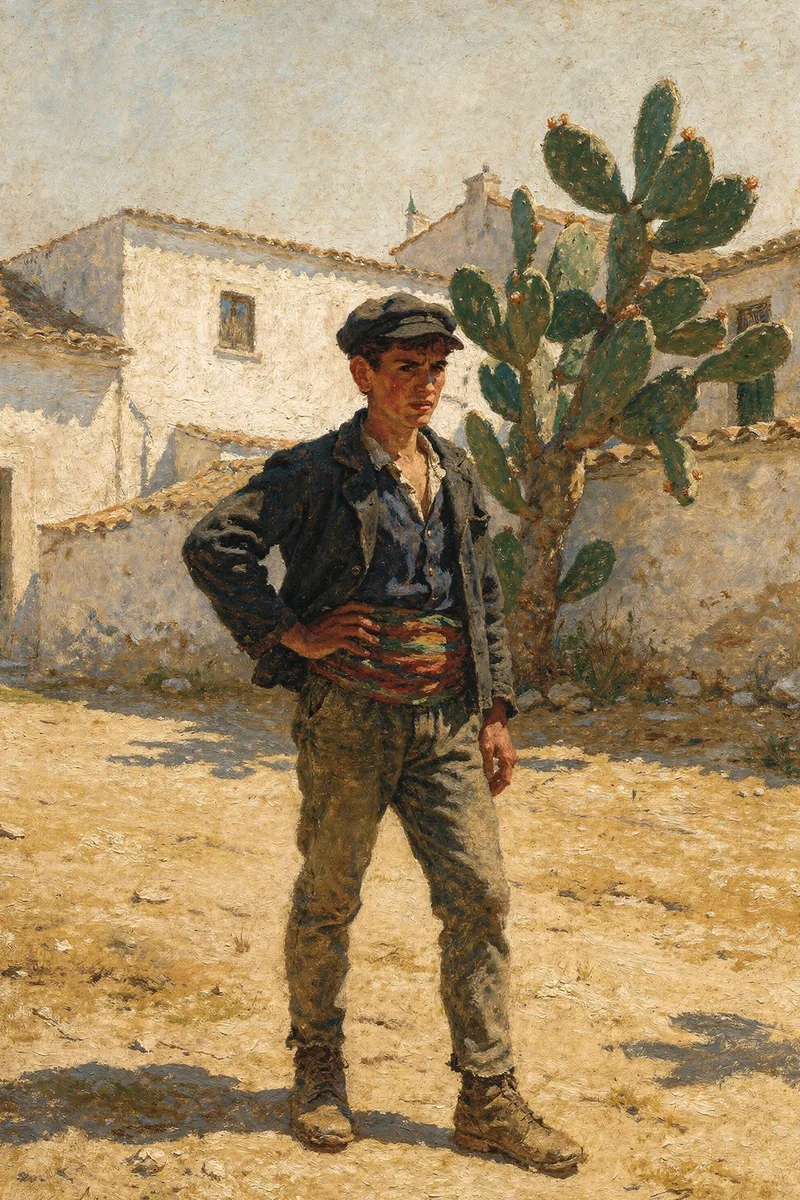
Home from his army service, the dashing Turiddu Macca struts the village square — only to find that Lola, the girl he had loved, has married the prosperous carter compare Alfio.
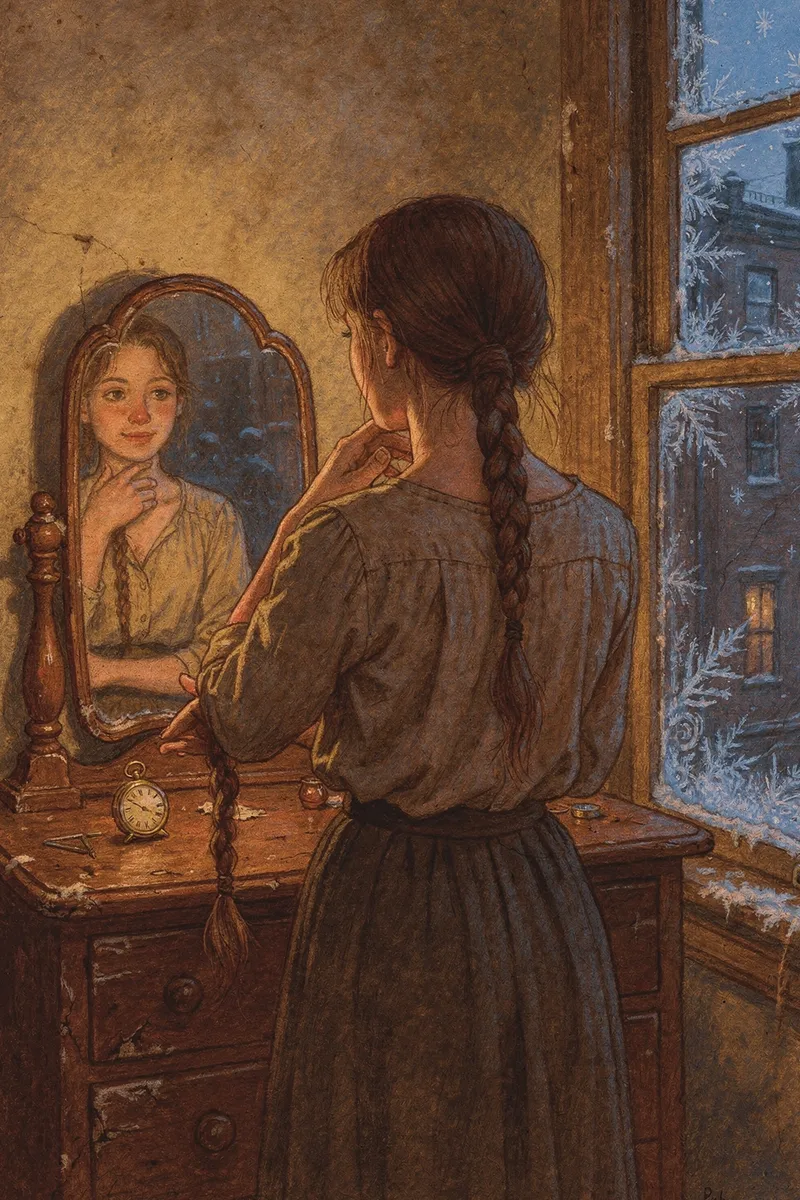
On Christmas Eve, Della has almost nothing to spend and only one thing of real value — her beautiful long hair — so she sells it to buy a chain for the gold watch her husband Jim treasures.
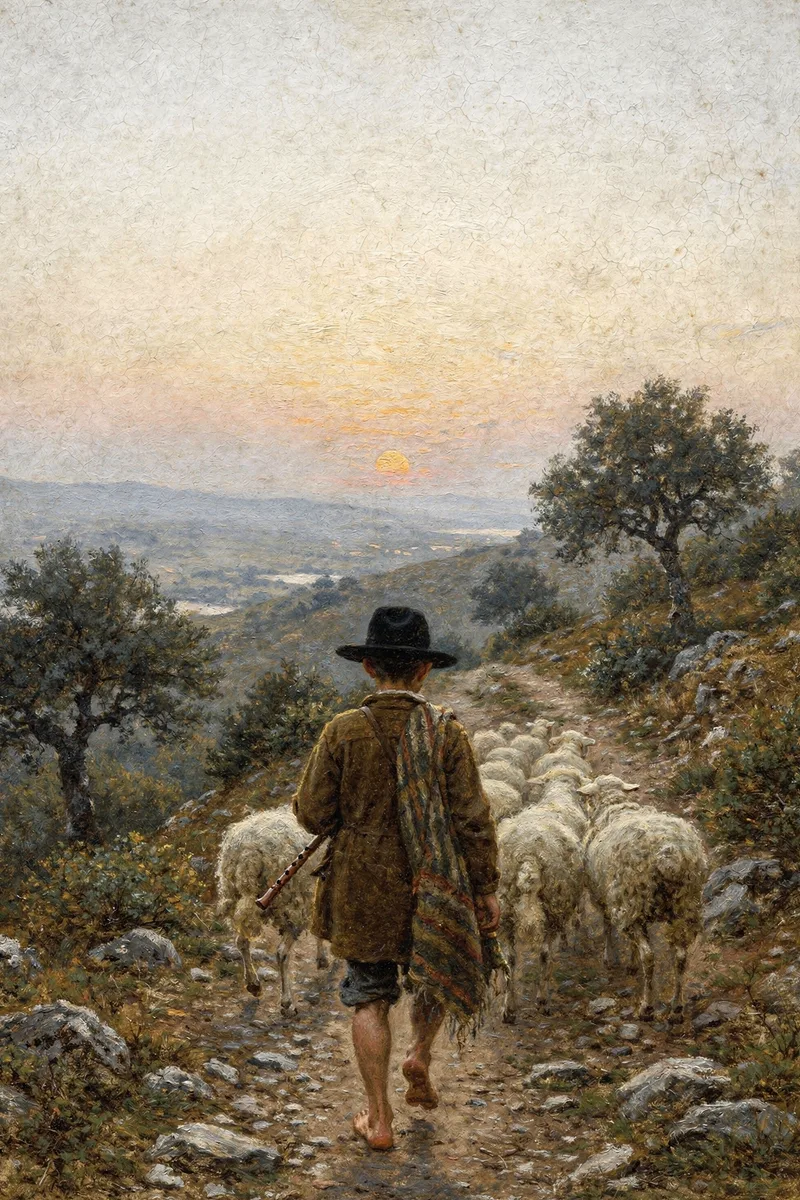
At first light, the shepherd boy Gonçalo drives his flock down through a sleeping Trás-os-Montes village to the river — hoping, against hope, to find on the far bank Rosária, the shepherd girl he has not seen for so long.
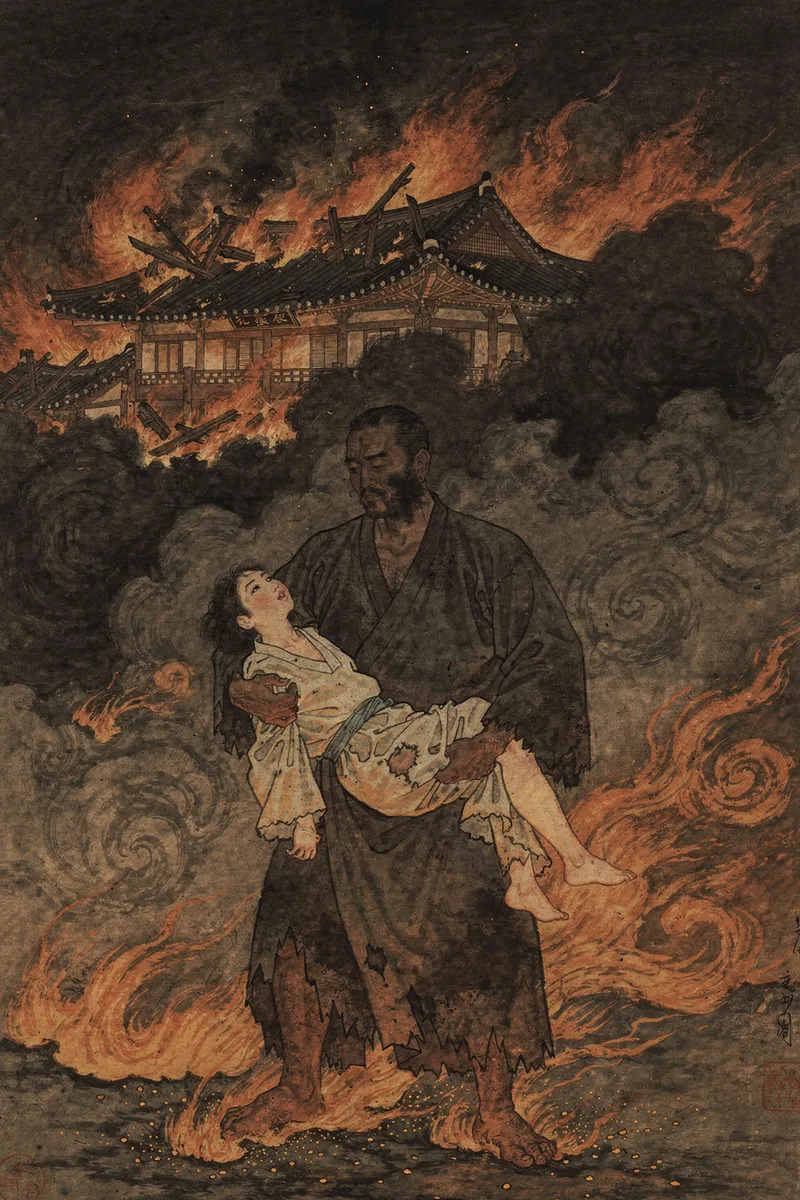
In a walled estate outside old Seoul, Samnyong is the ugliest and most faithful of servants — mute, mocked and beaten, yet devoted body and soul to the household that owns him.