The Mountain of Souls
About this story
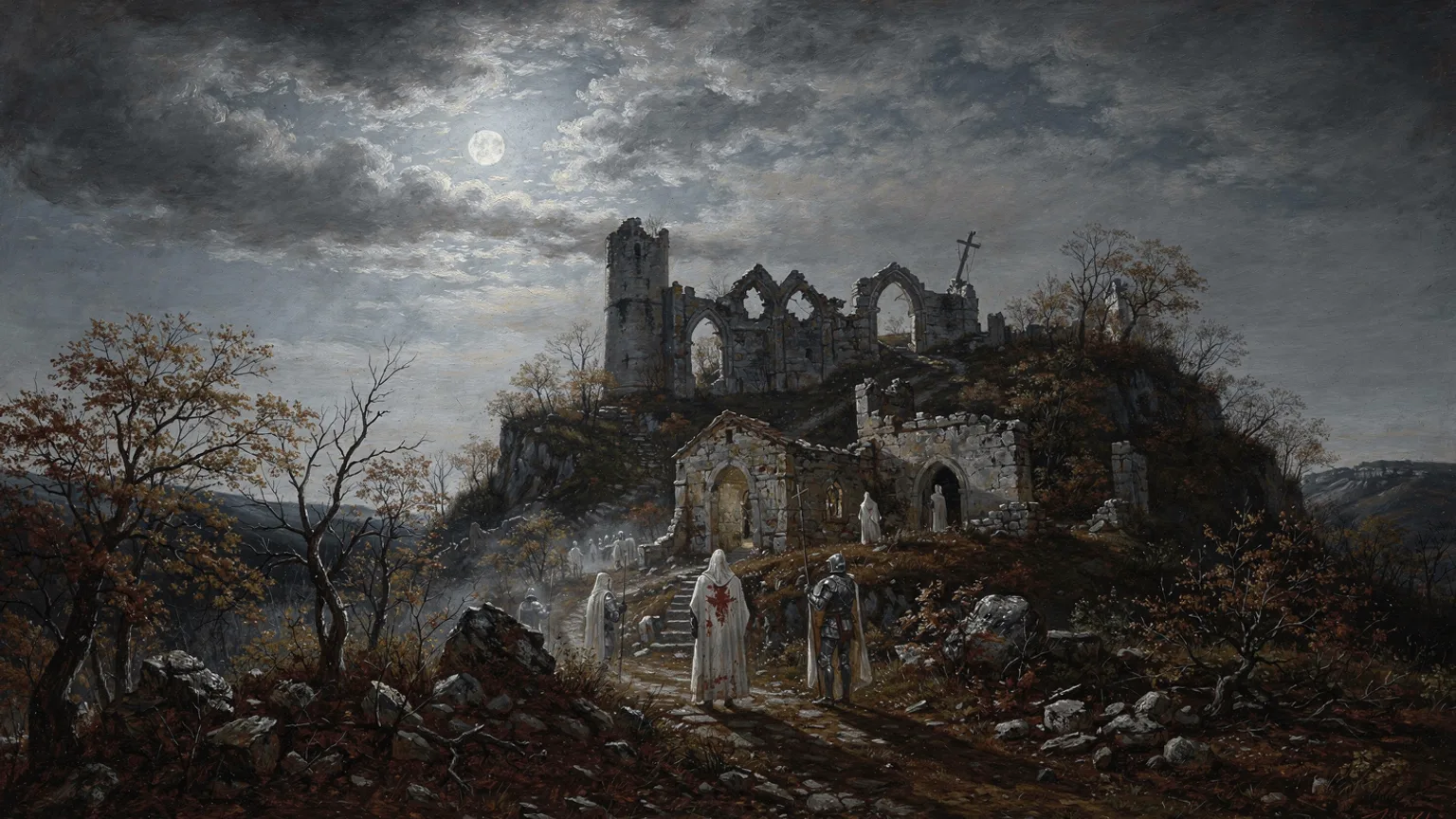
On the Feast of All Souls, young Alonso presses his cousin Beatriz to leave the haunted Mountain of Souls before nightfall — for legend says the ghosts of long-dead Templars and Castilian knights, slain in a massacre and buried together, rise to hunt among its ruins. Beautiful and cold, Beatriz confesses she has lost a blue ribbon there and, half in cruelty and half in play, sends Alonso back into the dark to fetch it. What returns is not the living. Gustavo Adolfo Bécquer — the Sevillian poet regarded as the founder of modern Spanish lyric and, after Cervantes, one of the most read of all Spanish authors — crafts in this 1861 Soria legend one of the most chilling Gothic tales in the language.
By the numbers
About the author
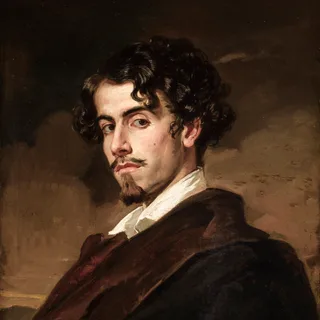
Gustavo Adolfo Bécquer (1836–1870) was a Sevillian poet and prose writer of the late Romantic period, widely regarded as the founder of modern Spanish lyric poetry and, after Cervantes, one of the most read of all Spanish authors. He won little recognition in his short, poverty-shadowed life and died of tuberculosis at thirty-four, but his posthumously gathered Rimas — a cycle of nearly one hundred spare, intimate poems — became a cornerstone of the modern Spanish canon and shaped poets from Rubén Darío to Juan Ramón Jiménez and the Generation of '27. Alongside the Rimas stand his roughly twenty Leyendas, lyrical prose tales of the supernatural set in medieval and legendary Spain, which established him as the great renovator of the nineteenth-century Spanish fantastic tale. «El monte de las ánimas», a Gothic legend of Soria first printed in 1861, is among the most famous and most anthologized of these Leyendas.
Recognition
In Bécquer, the fantastic takes on an extraordinary force, as much through the skill with which the oscillation between the real and the supernatural is achieved as through the intensity of the unconscious drives that nourish it.
Bécquer's works are not only the most important in Spanish Romantic literature, but they raise questions that are fundamental to European esthetics in the second half of the nineteenth century.
A constant in Bécquer's work is the pursuit of the unattainable, particularly evident in the Leyendas, where the supernatural once more plays the decisive role.
He is the one who endows modern Spanish poetry with a new tradition.
Practice typing
Type this retelling one piece at a time — your progress is saved as you go.
If you liked this
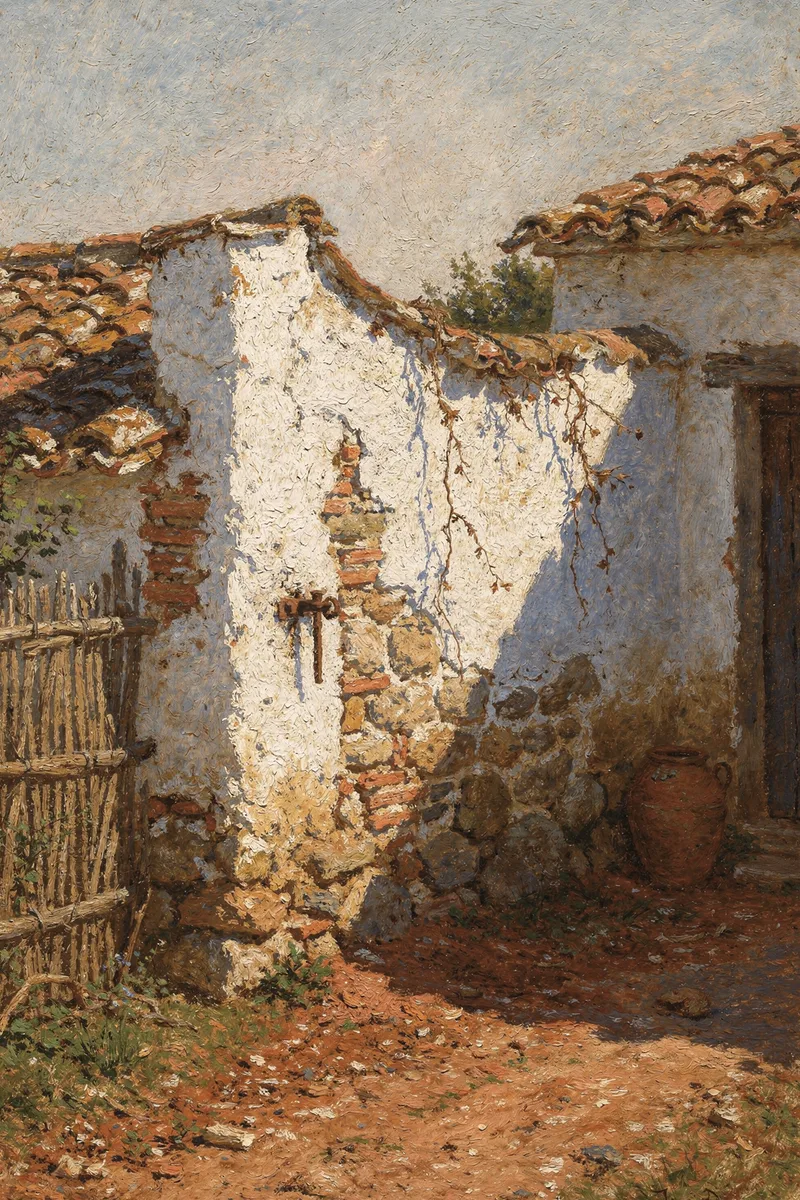
For thirty years the Rabosa and Casporra clans have poisoned a sleepy village outside Valencia, trading gunshots and funerals over a feud no one remembers starting.
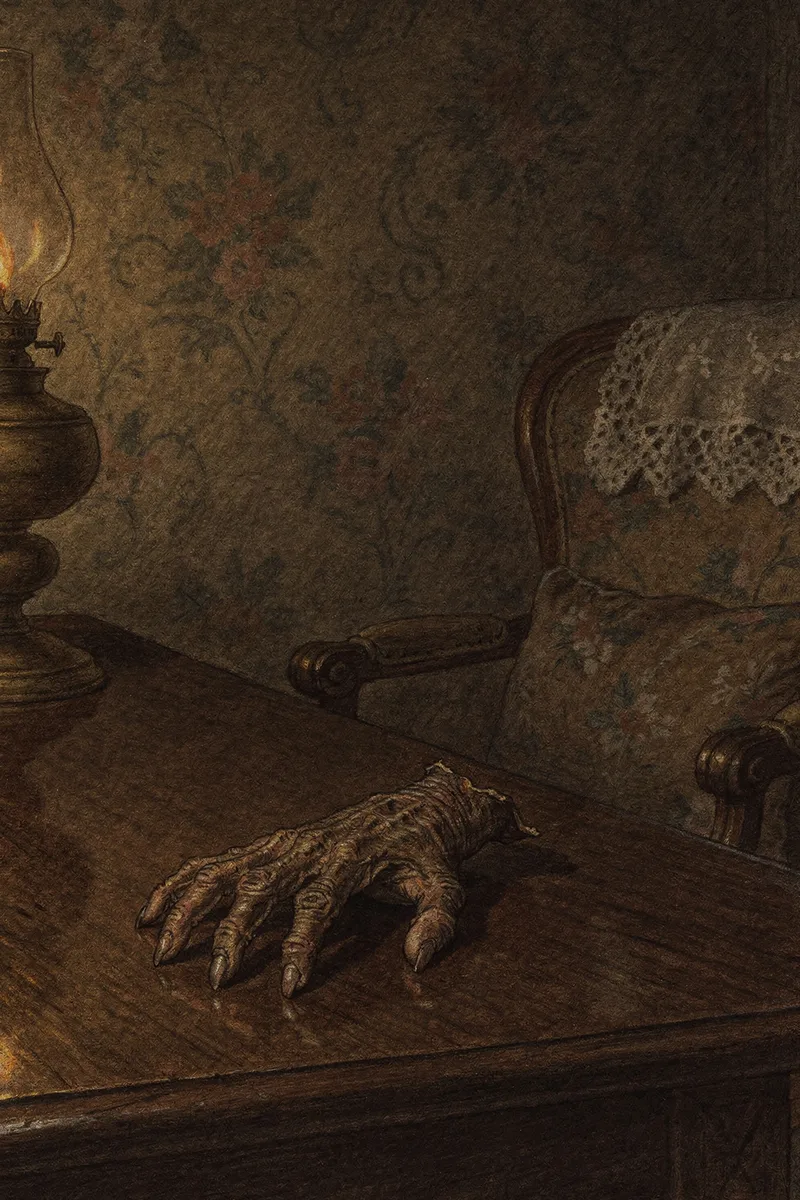
A dried, mummified talisman carried home from India promises three wishes to whoever holds it — but the old fakir who cursed it meant to prove that fate rules our lives, and that those who meddle with it do so to their sorrow.
Normandy, autumn, a house so old that nothing in the guest room has moved since the Regency.
A twist of the knife delivered with a smile: Saki's most anthologised story sends the nervous Framton Nuttel to a placid country house, where a self-possessed fifteen-year-old niece regales him with a family tragedy — three men who walked out through the open French window one October afternoon and were swallowed by the bog, never to return.