Blind Geronimo and His Brother
About this story
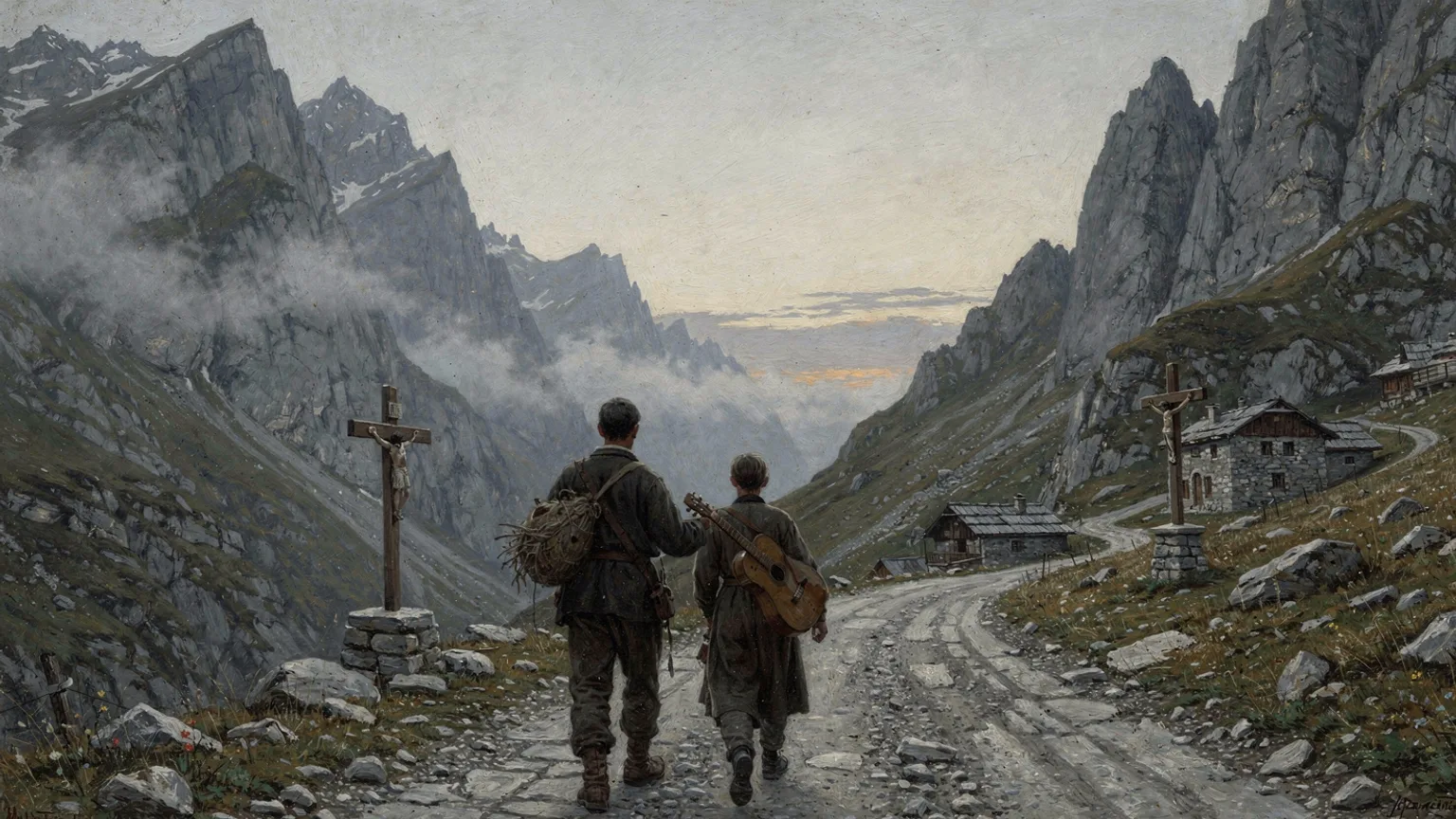
On a bleak Alpine pass, two brothers scrape a living as wandering beggars: blind Geronimo, who sings for coins, and Carlo, who leads him and holds out the hat. Twenty years ago Carlo accidentally cost his little brother his sight, and he has given his whole life to atoning for it. Then a passing stranger, on a cruel whim, plants a single lie — that he slipped Carlo a gold coin meant for the blind man — and the poison of suspicion begins to spread. To prove his love, Carlo will do the one thing that damns him. Arthur Schnitzler, the physician turned master of Viennese Modernism whom Freud called his psychological 'double', distils mistrust, guilt and brotherly devotion into one of his most perfect novellas.
By the numbers
About the author
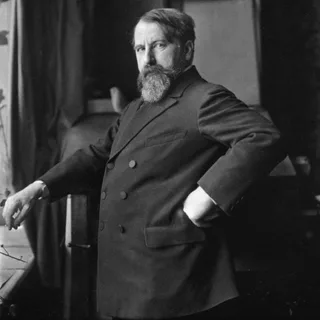
Arthur Schnitzler (1862–1931) was an Austrian dramatist and prose writer, a central figure of Viennese Modernism (Wiener Moderne) and the Jung-Wien circle. Trained as a physician, he became renowned for the psychological penetration of his work and helped pioneer the interior-monologue technique in German-language fiction, most famously in the novella «Leutnant Gustl» (1900). His best-known works include the play «Reigen» (La Ronde), the novella «Fräulein Else» and the dream-story «Traumnovelle», later filmed by Stanley Kubrick as «Eyes Wide Shut»; Sigmund Freud regarded him as a kind of psychological 'double'. «Der blinde Geronimo und sein Bruder» (1900/1901), a taut study of mistrust and brotherly love among two itinerant beggars, ranks among his most admired shorter novellas.
Recognition
It is precisely these texts, some of which were written much earlier, such as the masterful novella «Der blinde Geronimo und sein Bruder», that show Schnitzler's psychological narrative art.
In this short crime story a crime appears as a proof of love: Carlo's theft for his blind brother becomes the sign of an affection that at last dissolves Geronimo's years-long mistrust.
Le Rider points to the autobiographical elements of the tale — meaning Schnitzler's strained relationship with his brother Julius.
Peter Sprengel emphasizes the lie of the passing stranger as the triggering impulse of the plot, upon which Schnitzler unfolds the psychological mechanics of trust and suspicion.
Practice typing
Type this retelling one piece at a time — your progress is saved as you go.
If you liked this
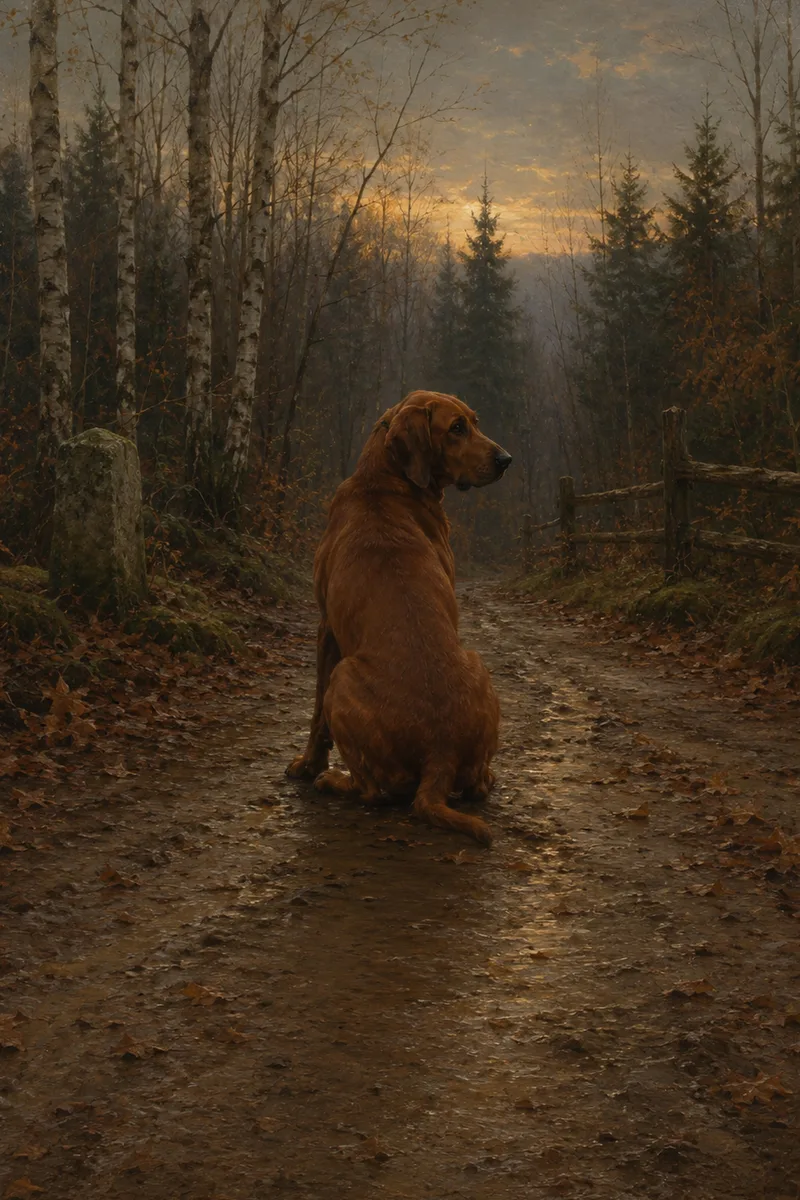
In a Moravian tavern the gamekeeper Hopp trades twelve bottles of cherry brandy for a starved hunting dog of faultless build, marked on the brow with a white line that branches like a fir twig.
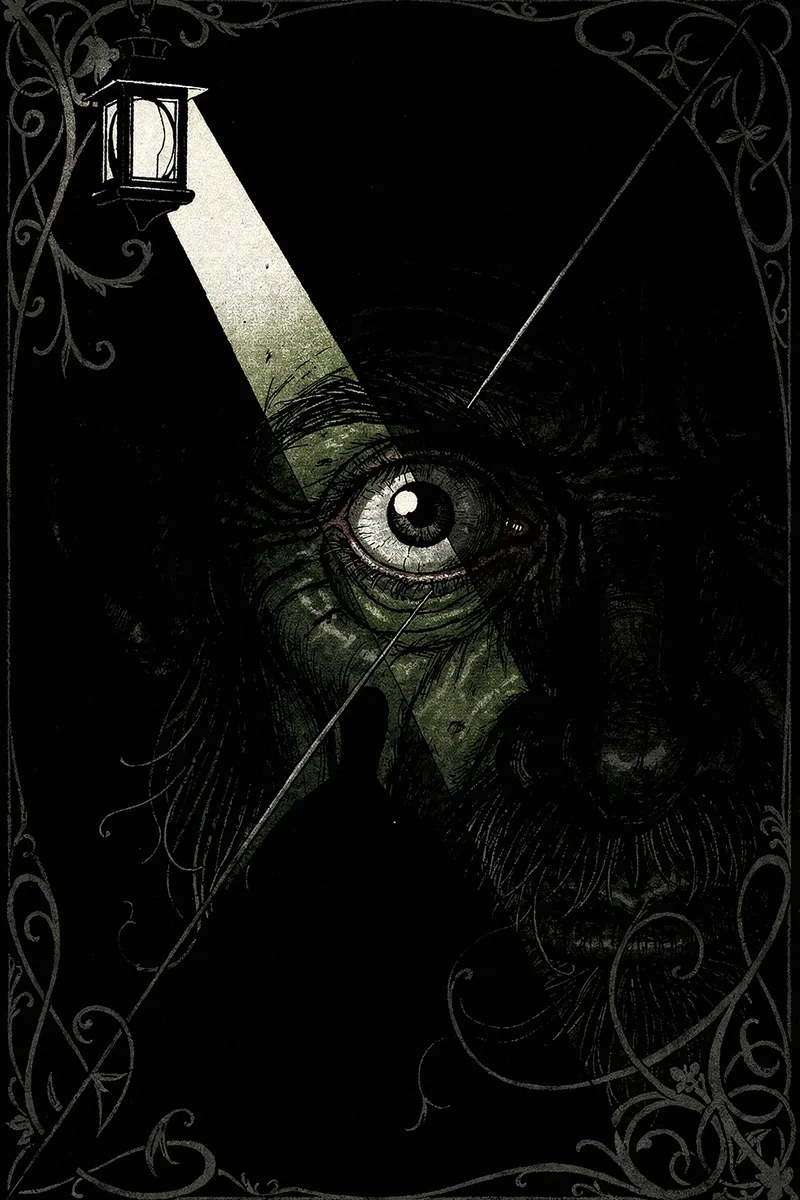
A nervous narrator swears he is not mad — even as he confesses how, over seven nights, he crept into an old man’s room to murder him for the sake of a single pale, filmy “vulture eye.”
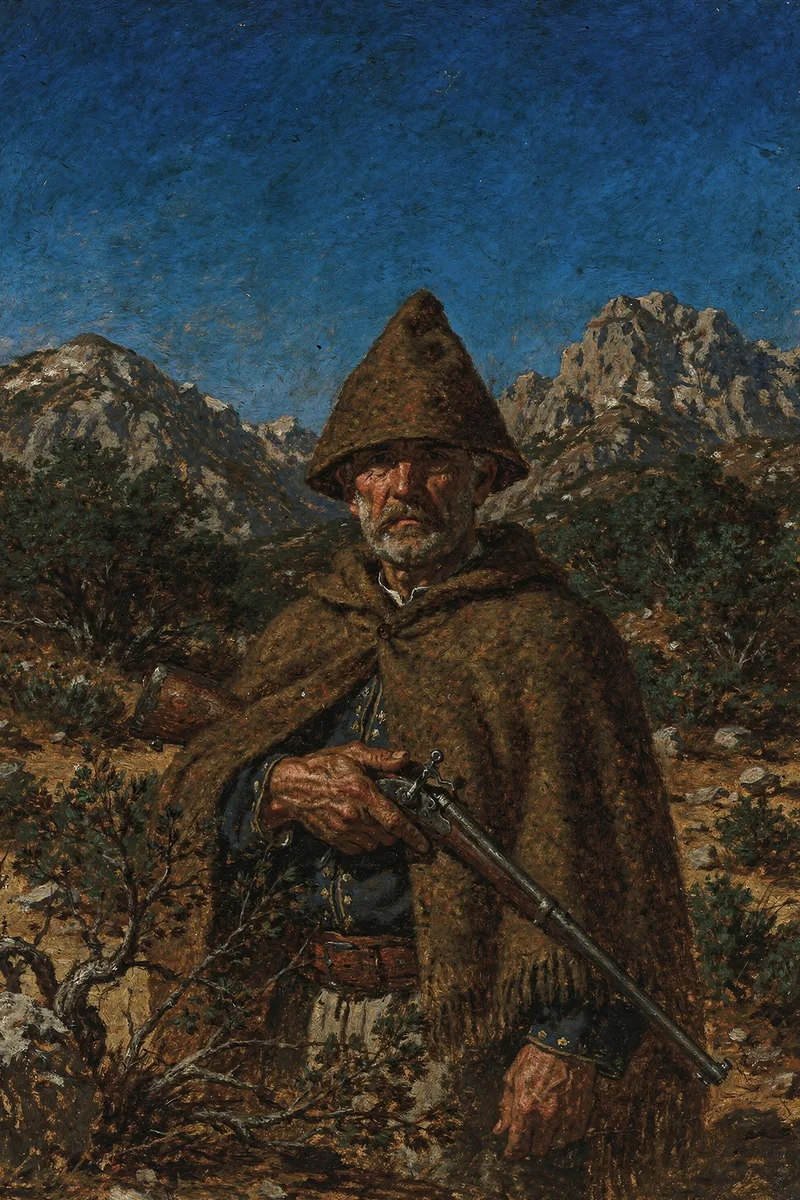
On a wild stretch of the Corsican maquis, ten-year-old Fortunato shelters a wounded fugitive — then trades him to the gendarmes for a glittering silver watch.
Nobody in the neighbourhood remembers her real name.