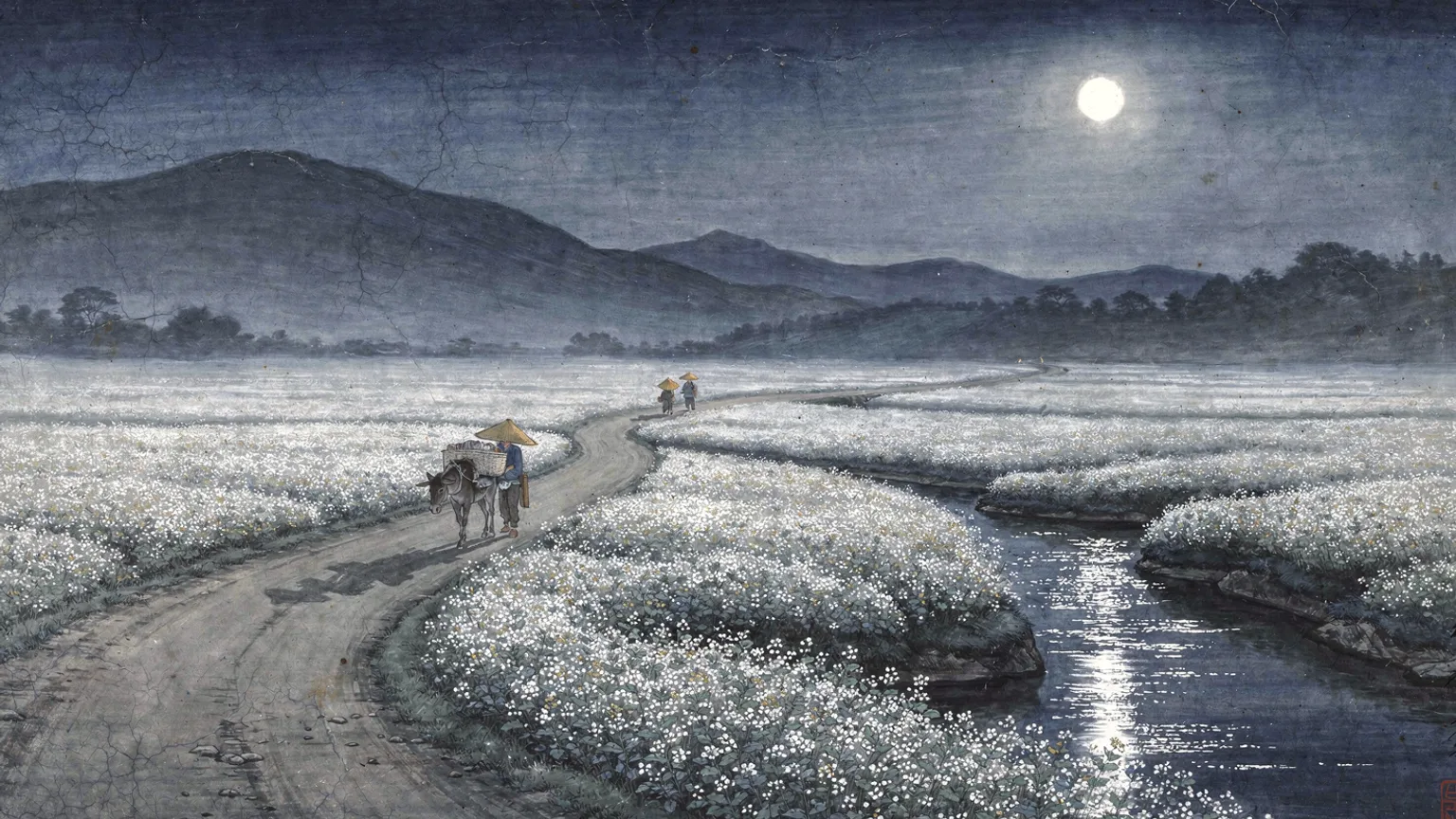
When the Buckwheat Blooms
About this story
Along the mountain roads of old Korea, a weathered peddler walks a night-market circuit he has trodden for half a lifetime — and under the full moon the buckwheat fields open white as spilled salt, as far as the eye can see. Lee Hyo-seok’s 1936 story is a jewel of Korean lyrical prose, where memory, longing, and the shimmering landscape flow into one another like water. Widely held to be a modern classic and one of the most beautiful stories in the Korean language, it turns a single moonlit walk into pure poetry.
By the numbers
About the author
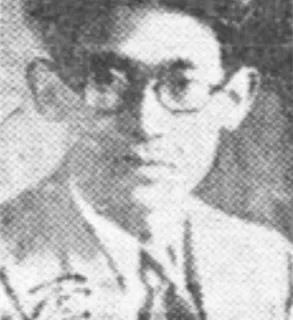
Lee Hyo-seok (1907–1942) was a Korean modernist writer, celebrated as one of the great lyrical stylists of his generation. After early fiction of socialist sympathies, he turned toward aestheticism, sensuality, and the beauty of the rural landscape, distilling them into luminous, poetic prose. He died of meningitis at thirty-five, but «When the Buckwheat Blooms» secured his place among the finest Korean short-story writers of the twentieth century.
Recognition
The finest part of the story is its remarkable description of the buckwheat flowers along the moonlit mountain roads — considered one of the most beautiful scenes in the history of Korean literature. Its poetic style, open ending, and subtle suggestion of the characters’ kinship have had a great influence on the lyrical fiction that followed.
The work is the masterpiece of Lee Hyo-seok’s fiction and one of the short stories that represent Korean literature. By filtering sensuous feeling through an indigenous, native sentiment, it raised the poetic spirit of Korean prose to the very apex of the 1930s short story.
It is widely regarded as the pinnacle of literary art in Korea — a modern classic.
The story is widely known to Koreans for its lyrical qualities.
Practice typing
Type this retelling one piece at a time — your progress is saved as you go.
If you liked this
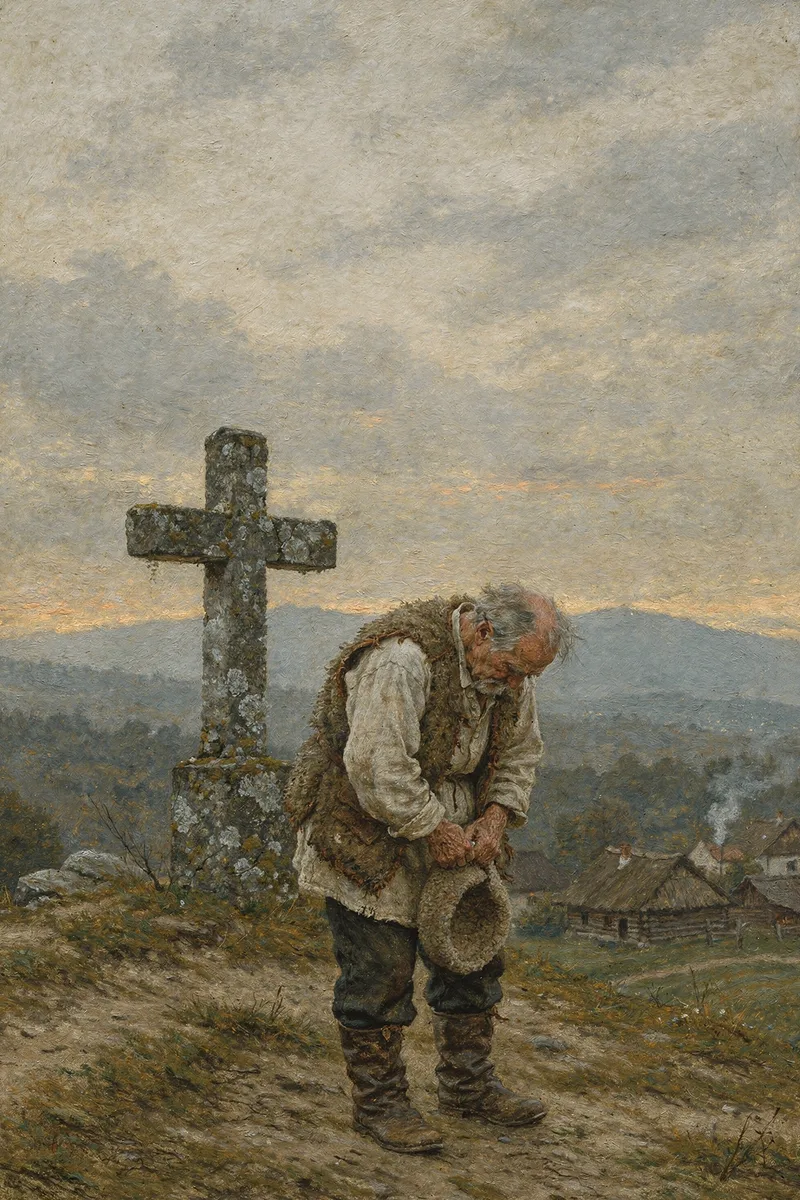
Ivan Didukh has spent his life breaking his back on a worthless sandy hill — the only land he inherited — until he is bent double and the village calls him «the Broken One».
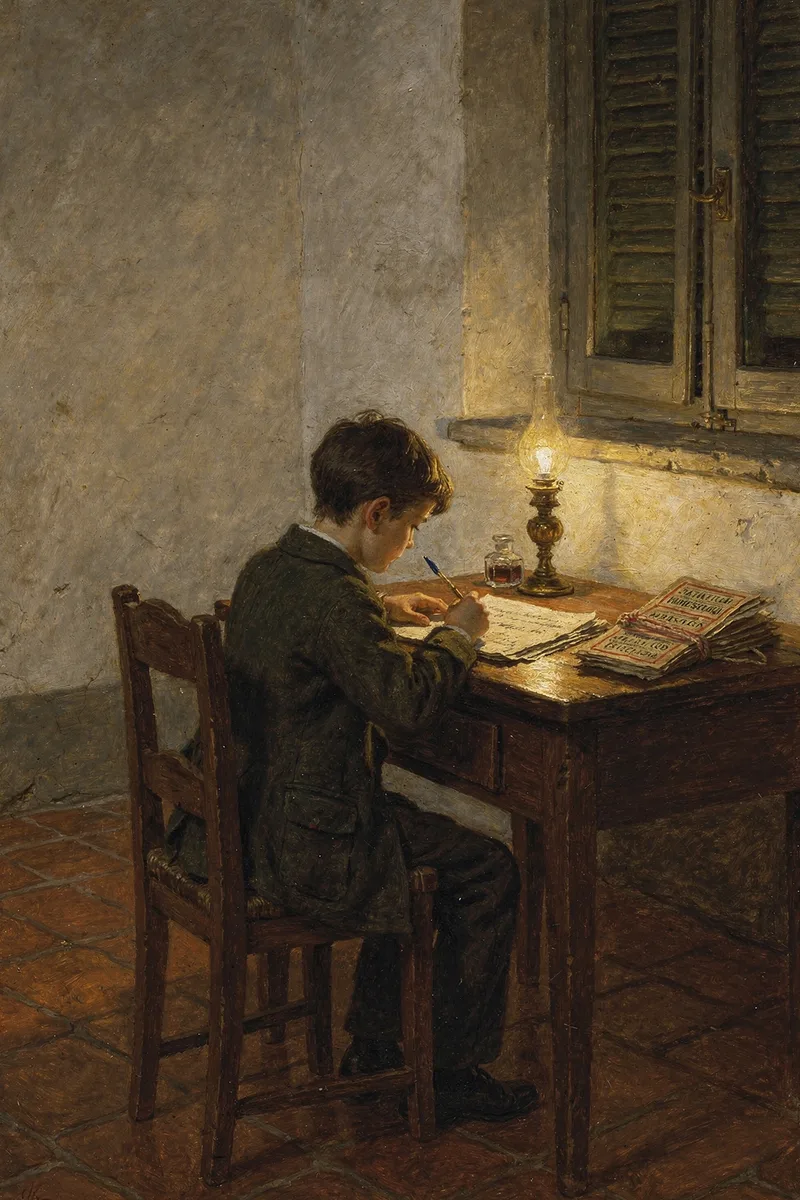
Twelve-year-old Giulio watches his ageing father copy addresses deep into the night for a few extra lire — and privately resolves to help.
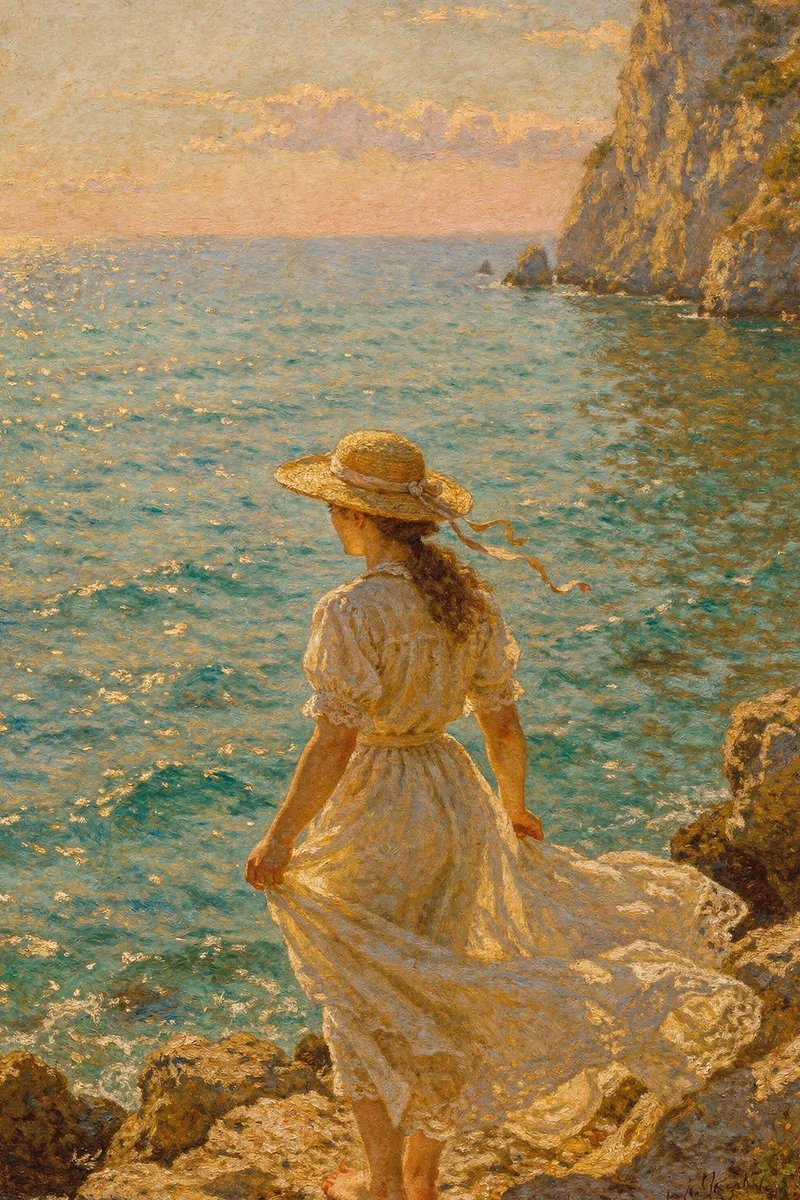
On a sun-struck Crimean shore, where consumptive patients come to breathe the sea air, the narrator falls in with a restless, coquettish young woman whom her own vanity will not let sit still for a moment.
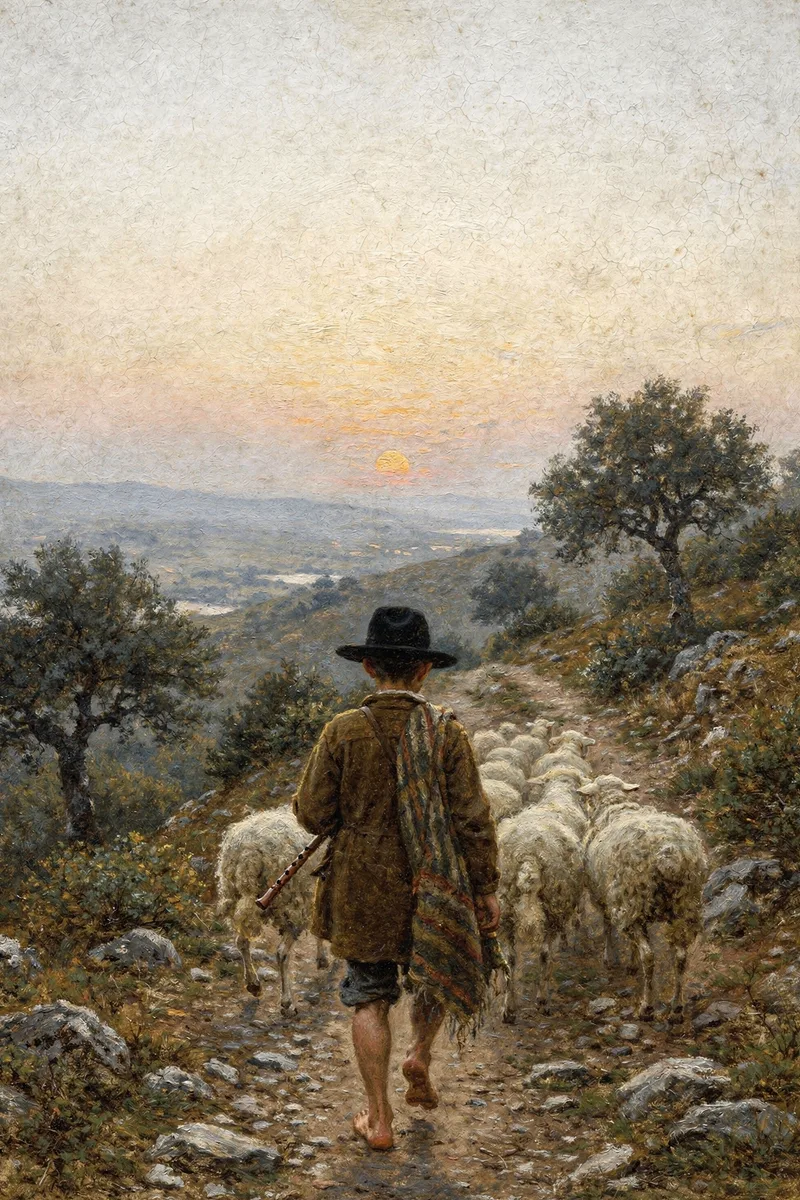
At first light, the shepherd boy Gonçalo drives his flock down through a sleeping Trás-os-Montes village to the river — hoping, against hope, to find on the far bank Rosária, the shepherd girl he has not seen for so long.